

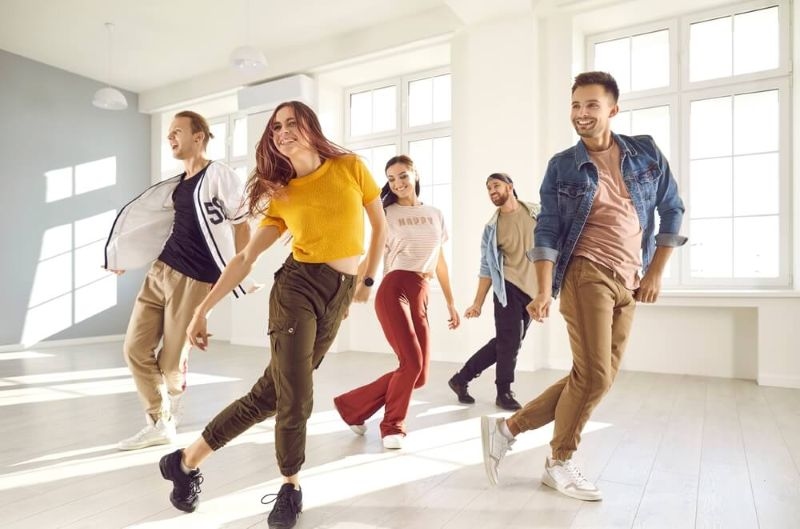
Starting a new hobby is always exciting, but it can also feel a bit scary. When people look for dance lessons for beginners, they often wonder whether they can really learn to move their feet correctly. Getting good dance training tips early on makes a huge difference in how fast someone learns. This dance class guide will help anyone understand what to expect when they walk into a studio for the first time.
Learning how to move is like learning how to talk. You have to know the small parts before you can say big words. Most people find that learning dance basics is the best way to stop feeling clumsy. Here's the thing: everyone starts at the same place. Even the best dancers in the world once did not know how to point their toes or stand up straight.
Here’s Something Helpful: Basic Dance Techniques That Build Strong Skills Step by Step
The first step is finding a place that feels friendly. A good school will have teachers who are patient and kind. When you look at a dance class guide, check if they offer styles like ballet, jazz, or hip hop. Some styles are faster, while others are very slow and pretty.
What this really means is that you should pick a style that makes you want to jump up and move. If you like loud music, hip hop might be great. If you like classical music, ballet is a wonderful way to learn dance basics. Most studios let new people watch a class first to see if it looks fun.
It is important to remember that nobody gets it perfect on day one. Here is a list of things that help make the first few weeks easier:
These dance training tips are meant to keep the mood light and fun. If a student is too worried about being perfect, they might forget to enjoy the music.
A typical class usually follows a specific pattern. First, the teacher will lead a warm-up to get the blood flowing. This is part of the dance practice that keeps everyone safe from getting hurt. After that, the class might work on easy dance moves across the floor.
Let's break it down further. A good class usually has these parts:
You do not always have to be in a studio to get better. Doing a little bit of dance practice in the living room can help the feet remember what to do. Try standing in front of a mirror and moving side to side. Simple steps like the "grapevine" or a basic "two-step" are great, easy dance moves for anyone to try.
When people spend time learning dance basics at home, they feel much braver when they go back to their formal dance lessons for beginner groups. It builds pride to show the teacher that you remembered the steps.
Recommended Article: Self Taught Dance Tips For Confident Moves And Flow On Stage
Consistency is the secret sauce to becoming a good dancer. Even just 10 minutes a day moving the body helps a lot. Effective dance practice involves repeating the same motions until they feel natural.
Here is why practicing matters:
Sometimes people think dancing has to be very hard to be "real" dancing. That is not true at all. Even simple dance moves can look amazing when done with a big smile. The goal of dance lessons for beginner learners is to help them express feelings through movement.
Whether it is a simple turn or a small hop, every move counts. Most people find that once they master the small things, the big jumps and fast spins start to feel much easier later on.
As a student gets better, they might want to try new things. Checking a dance class guide every few months helps you see what level you are at. Maybe it is time to move from the tiny tot class to a primary class.
What this really means is that growth happens in stages. You should never rush the process. Taking time to learn the basics of dance ensures a strong foundation. If the foundation is weak, the harder moves will be much more difficult to do safely later.
Further Reading: Balance In Dance Explained For Better Control And Stability
Joining a class is a brave thing to do. It opens up a whole new world of friends and music. By following dance training tips and staying focused on the goal, anyone can become a dancer. Remember to keep doing your dance practice and stay positive. Check out a local studio and sign up for a session to start your fun adventure.
You should bring a water bottle and wear comfortable clothes that let you stretch. Some studios require special shoes, but many let beginners wear socks or go barefoot for the first day. Always check the school website for their specific dress code rules before you arrive.
No, there is absolutely no age limit for starting. People of all ages can enjoy moving to music. Many studios offer classes specifically for toddlers, teenagers, or even adults who have never danced before. It is never too late to start learning how to move your body.
Most beginner classes spend about four to six weeks learning one short routine. This gives everyone enough time to memorize the steps and get comfortable with the music. The teacher will repeat the moves several times so that no one feels left behind or confused.
You do not need to be flexible to start. Flexibility grows over time as you go to class and stretch. Many people start out feeling very stiff, but with regular movement, their muscles become much looser after just a few weeks.
This content was created by AI