

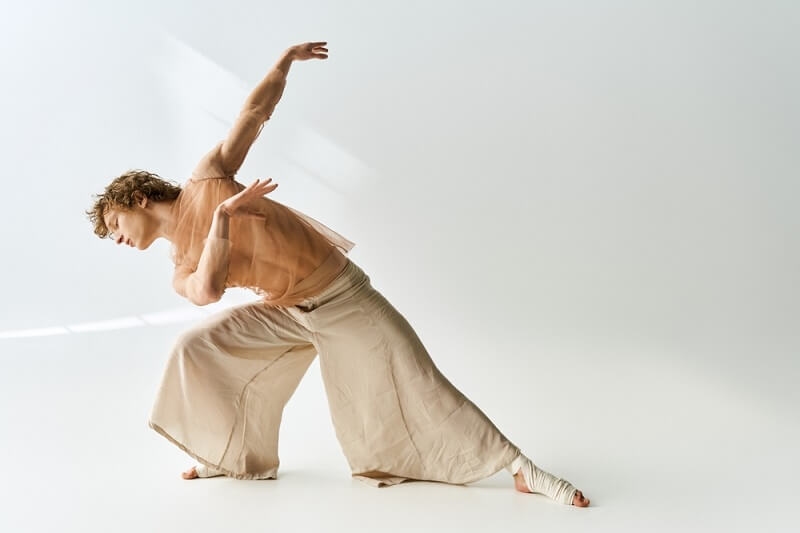
Learning to dance on your own can feel exciting and intimidating at the same time. One day you’re nailing a groove in your bedroom, the next you’re freezing up when someone’s watching. That push and pull is normal. This blog walks you through how self-trained dancers build confidence, clean movement, and real stage flow without formal studios. We’ll talk mindset, earning dance at home, online dance practice, solo training tips, and smart practice hacks that actually stick. Along the way, you’ll see how independent learning can feel messy yet rewarding, and why that mess is often where growth hides.
Confidence does not arrive all at once. It sneaks in while you’re practicing late, replaying a song for the tenth time, and finally feeling your body settle into the beat.
Here’s the thing. Most confident dancers you admire have repeated the same move more times than they can count. Repetition trains your nervous system to relax. When your body knows what comes next, your mind stops panicking. That calm shows up as confidence on stage.
Mirrors help, but they can become a crutch. Try practicing sections without looking. It feels uncomfortable at first, almost like walking in the dark. Then something shifts. You start feeling shapes instead of checking them. On stage, there’s no mirror anyway, so this small habit pays off fast.
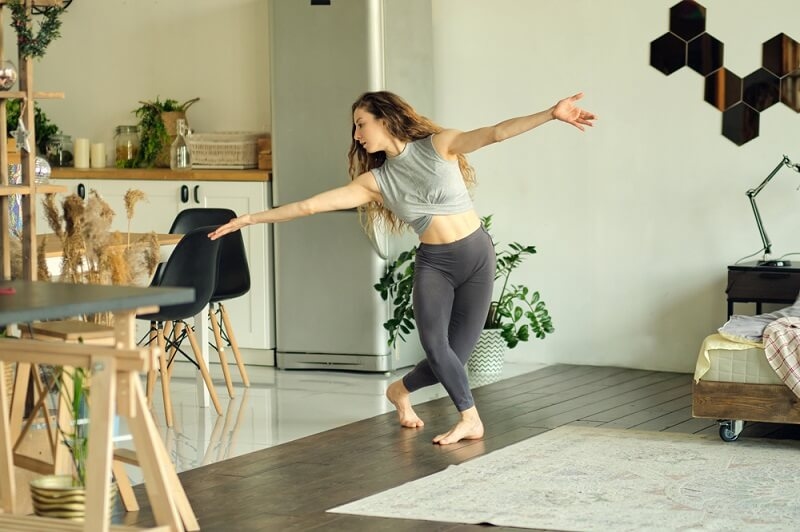
Your practice space sets the tone. It doesn’t need to look fancy. It just needs to invite movement.
Clear enough room to extend your arms without fear. Hardwood or a yoga mat works well. Many dancers in the US use garages, basements, or living rooms after work. The goal is consistency, not perfection.
A decent speaker changes everything. Feeling bass in your chest helps with timing and groove. Keep water nearby. Wear clothes you can sweat in. Small comforts keep you practicing longer, which is half the battle.
Soft, even lighting helps you relax into movement. Harsh overhead lights can feel stiff and distracting. Natural light during the day or a warm lamp at night makes practice feel less like a task and more like personal time.
Put your phone on silent, close extra tabs, and let people around you know you’re practicing. Even twenty focused minutes beats an hour of broken attention. A calm space trains your mind to stay present with your body.
Online classes can feel distant. But used well, they become powerful teachers.
Look for teachers who explain feelings, not just steps. Platforms like YouTube, STEEZY, and Instagram Live offer different vibes. Try a few styles. Honestly, variety keeps boredom away and sharpens musicality.
Pause videos. Rewind. Watch how weight shifts or shoulders relax. Then try again. Active watching turns online dance practice into a conversation, not a lecture.
Training alone gives you freedom. It also demands honesty.
Full routines can overwhelm. Break them into eight counts or even four. Clean one section, then link it forward. Small wins stack up quickly and keep motivation alive.
Anyone can hit poses. Flow lives between them. Spend time on how you enter and exit moves. Those in-between moments are what make your dancing feel smooth instead of choppy.
Running choreography at half speed can feel awkward, but it reveals everything. Balance slips, rushed arms, uneven weight shifts. Fixing these slowly makes full-speed dancing feel calmer and more grounded.
Repeating a move mindlessly won’t help much. Each round should have a focus—arms one time, foot placement the next. This kind of attention sharpens control and prevents sloppy habits from settling in.
Without a teacher correcting you, feedback must come from somewhere.
Watching yourself can sting. That’s normal. Treat recordings like data, not a verdict. Look for patterns, not flaws. Over time, you’ll spot habits and fix them naturally.
Scrolling social media can mess with your head. Remember, you’re seeing highlight reels. Measure progress by how a move felt last month versus today. That’s real growth.
Motivation fades. Habits stay.
Twenty focused minutes often beat two unfocused hours. Busy schedules across the US make short sessions realistic. Stack them before dinner or after work when energy is still decent.
Practice to different tempos. Slow tracks reveal control issues. Fast tracks challenge stamina. Switching styles keeps your body adaptable and your mind curious.
Steps matter, but music leads.
Sit with a song first. Tap rhythms. Notice accents. When you finally move, your body responds instead of guessing. This habit sharpens timing and expression.
You know what? Perfect moves without personality feel empty. Add small head nods or relaxed shoulders if it feels right. Groove is personal. Trust yours.
Stage confidence is built long before the spotlight hits.
Run routines without stopping, even if mistakes happen. Invite a friend to watch. Film in one take. These small pressures teach your body to stay calm when nerves rise.
Mistakes happen live. The audience rarely notices unless you panic. Keep moving. Confidence is often just recovery in disguise.
Passion needs care.
Rest days aren’t laziness. They’re maintenance. Muscles and motivation recover together. Many dancers ignore this and stall out.
Yoga, boxing, or even long walks improve body awareness. These side interests feed dance in unexpected ways and keep creativity fresh.
Teaching yourself dance is a winding road. Some days feel electric, others flat. That’s normal. With steady self taught dance tips, smart earning dance at home habits, and honest independent learning, confidence grows quietly. Flow follows patience. Keep showing up, keep adjusting, and trust that your body is learning even when it feels slow.
Yes. Consistent practice, feedback through video, and mindful repetition build confidence over time.
Three to five short sessions a week work well for most people and fit busy schedules.
It can be, especially when paired with active watching and self-review.
Take a short break, change music or style, and return with fresh energy.
This content was created by AI