


Basic dance techniques are the foundation of all good dancing. Here's the thing: no fancy move works without a strong base. Dance fundamentals give the body clear direction and balance. Beginner techniques focus on movement control instead of speed. Foundation skills teach how to stand, step, and shift weight with purpose. A clean movement makes dancing look calm and confident, even when the steps remain simple. Learning basic dance techniques early saves time, effort, and frustration in the long run.
Dancing is not about copying shapes. What this really means is the body must understand how to move safely and clearly. Basic dance techniques help build that understanding slowly and correctly.
Basic dance techniques are shared across many dance styles. Ballet, hip hop, jazz, and folk all rely on similar dance fundamentals. These fundamentals guide posture, balance, and timing.
Dance fundamentals include
Beginner techniques focus on awareness. Movement control develops when dancers become aware of their body's position in space. Foundation skills create stability. Clean movement starts with knowing where each part belongs.
Beginner techniques slow things down. That is their strength. Many dancers rush ahead and miss necessary steps. Basic dance techniques teach patience.
Beginner techniques help
Movement control improves when speed is added later. Foundation skills keep dancers safe and balanced. Clean movement appears when steps are practiced correctly, not quickly.
Posture is one of the most critical foundation skills. Basic dance techniques always begin here. Standing correctly supports every move that follows.
Good posture includes
Dance fundamentals rely on alignment. Movement control improves when the body stacks naturally. Beginner techniques often start with posture checks. The clean movement becomes easier when your posture remains consistent.
Feet lead the body. Basic dance techniques place a strong emphasis on foot placement and alignment. Clear steps prevent imbalance and confusion.
Footwork foundation skills include
Clean movement depends on precise footwork. Beginner techniques teach dancers to feel the floor. Movement control improves when feet land softly and accurately.
Balance is not standing still. It is a controlled movement. Basic dance techniques teach how to move with ease and control, avoiding falls and wobbles.
Key balance skills include
Dance fundamentals emphasize balance early. Beginner techniques often include slow transitions. Foundation skills, such as balance, lead to confident turns and steps. A clean movement shows when balance appears effortless.
Arms support expression and balance. Basic dance techniques treat arms as active, not decorative.
Arm control skills include
Movement control improves when arms and legs work together. Beginner techniques teach simple arm paths. Foundation skills in the upper body prevent stiffness. Clean movement appears more natural when arms flow with purpose.
Timing connects movement to music. Basic dance techniques include rhythm awareness even before complex choreography.
Timing fundamentals include
Dance fundamentals teach dancers to wait as well as move. Beginner techniques often use clapping or stepping exercises. Foundation skills in timing improve coordination. Clean movement looks musical, not rushed.
Breathing supports movement. Basic dance techniques often include breath awareness, although it may seem subtle.
Breathing skills help
Movement control increases when breath stays steady. Beginner techniques teach dancers to avoid holding their breath. Foundation skills include awareness of effort. Clean movement feels relaxed, not forced.
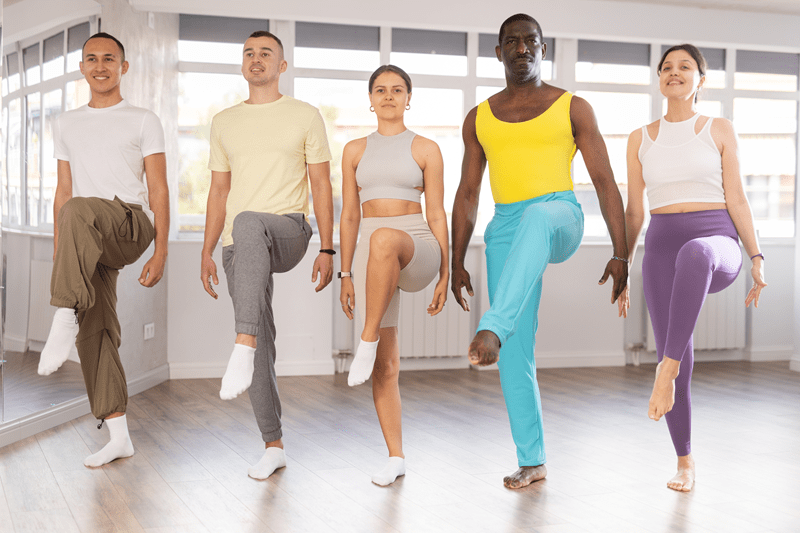
The core connects the upper and lower body. Basic dance techniques rely on gentle core engagement.
Core foundation skills include
Dance fundamentals use the core for balance and turns. Beginner techniques often include simple strengthening moves. Movement control improves with a stable center of balance. The clean movement becomes easier when the core provides support for the motion.
Coordination links everything together. Basic dance techniques enable dancers to move multiple parts of their bodies simultaneously.
Coordination skills include
Beginner techniques often isolate movements first. Foundation skills build coordination slowly. Dance fundamentals guide how parts connect. Clean movement shows when everything works together.
Mistakes are part of learning. Basic dance techniques help correct them early.
Common issues include
Beginner techniques address these with awareness. Movement control improves when tension drops. Foundation skills help you break habits before they become ingrained. Clean movement becomes consistent with mindful practice.
Practicing at home reinforces classroom learning, and anyone can work on basic dance skills, regardless of their location, as long as they have the space and concentration.
Ways to Practice at Home:
Practice the basic elements of dance without music; they develop through repetition and practice. As some techniques improve through repetition, others continue to gain strength from consistent short daily practice. You will become better at moving if you practice consistently.
Teachers rely on foundation skills to guide students safely. Basic dance techniques are incorporated into lesson plans across various styles.
Teachers focus on
Beginner techniques are taught with patience. Movement control grows with feedback. Foundation skills protect dancers from injury and burnout.
Advanced dancing still uses basic dance techniques. The difference is speed and complexity.
Progress happens when
Dance fundamentals never disappear. Beginner techniques become habits. What this really means is that advanced dancers still practice basics daily.
Clean movement is not about perfection. It is about clarity. Basic dance techniques support clean movement across all styles.
Clean movement helps
Foundation skills create this clarity. Beginner techniques guide precision. Dance fundamentals remain the base of expression.
Basic dance techniques build strong dancers through steady learning. Dance fundamentals, beginner techniques, and foundation skills support movement control and clean movement. These basics shape balance, posture, and confidence. Mastering them early helps every dancer move with clarity, safety, and long-lasting skill across all dance styles.
Basic dance techniques are fundamental skills, including posture, balance, and footwork, that support all dance styles.
Dance fundamentals build movement control and prevent bad habits, making learning safer and easier.
Foundation skills should be practiced regularly, even as dancers advance, to maintain clean movement.
Yes, clean movement comes from practice and proper beginner techniques, not natural talent alone.
This content was created by AI