

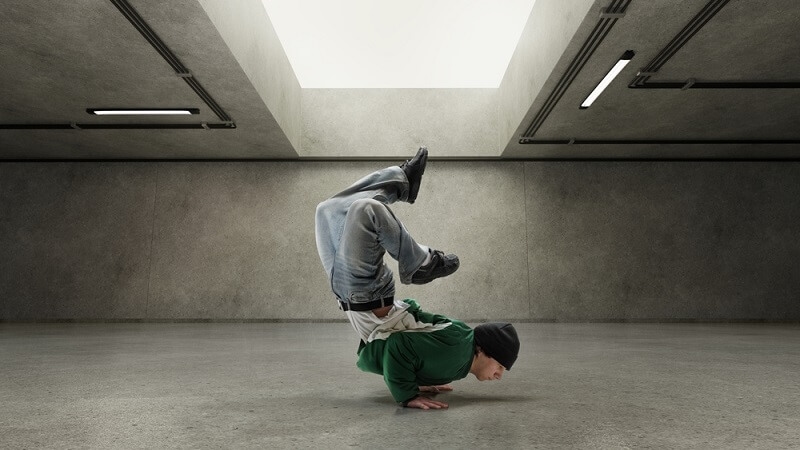
Dance looks effortless when it’s done well. A turn floats. A jump lands softly. A pause feels intentional, not awkward. Behind that ease is something every dancer wrestles with, no matter their style or experience level. Balance. This piece breaks down how balance works in dance, why it’s tied to control and stability, and how simple habits can make a real difference. We’ll talk about how the body organizes itself, why your core matters more than you think, and how everyday movement feeds better dancing. Whether you’re in a studio, on a stage, or just moving for joy, this is about feeling steady, confident, and free.
Balance in dance isn’t just about staying upright. It’s about trust. Trusting your body to respond when the music shifts or when a step goes slightly off plan. Let’s get into what that really means.
You see a dancer hold a pose and think, That looks simple. Here’s the thing. The body is making dozens of tiny adjustments at once. Ankles respond. Hips shift. The torso steadies itself.
Control doesn’t come from stiffness. That’s a common misconception. True control grows from stability training that allows movement without panic. When your base is solid, your arms and legs can move freely.
Stability sounds technical, but it’s actually very human. Babies wobble before they walk. Athletes train it daily. Dancers refine it for life.
Stability training isn’t limited to dance class. It shows up in yoga, Pilates, strength workouts, and even hiking. These activities teach your body how to react when things shift unexpectedly. Over time, those lessons sneak into your dancing, usually when you least expect them.
Big muscles get all the attention, but small stabilizers quietly run the show. The feet, ankles, and deep core muscles are constantly talking to each other. When they’re awake and responsive, balance feels less forced and more natural.
Posture balance isn’t about standing like a statue. It’s about how your body stacks itself when you move, pause, or turn.
Honestly, posture balance starts long before you hit the dance floor. Slouching over a phone, leaning into one hip while waiting in line, sitting for hours at a desk. All of it adds up. Dancers who pay attention to daily posture often notice quicker progress, even without extra rehearsal time.
Good posture balance feels light, not rigid. Shoulders rest. The neck stays free. The spine supports without strain. When posture works this way, movement flows instead of fighting back. You know what? This is where many dancers suddenly feel less tired after class.
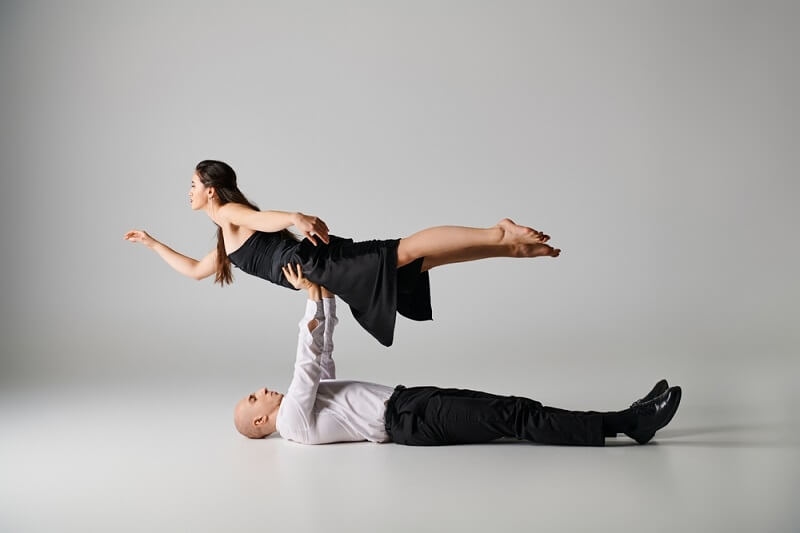
Big moves get applause, but controlled movement earns respect. It’s the difference between rushing through steps and letting them breathe.
Here’s a mild contradiction for you. To dance better, you often need to slow down. Practicing slowly builds awareness. It teaches your body where it is in space. Later, when speed returns, control stays with you.
Repetition matters, but mindless repetition doesn’t help much. Controlled movement grows when you pay attention during practice. What is your weight? Which foot is supporting you? These questions train muscle memory that actually works under pressure.
Every style talks about center balance, though the language may change. Ballet, jazz, hip hop, and contemporary. They all rely on it.
Center balance is about where your weight lives as you move. Not just physically, but mentally. When your center is clear, transitions feel smoother. Turns feel calmer. Even stillness has presence.
Different styles ask for different shapes and energies. A ballet center feels lifted. A hip hop center feels grounded. Neither is better. They’re just different conversations with gravity. Learning to adjust your center balance makes you versatile and confident.
Body alignment gets talked about a lot, sometimes too much. The goal isn’t perfection. It’s awareness.
Pain, wobbling, or repeated falls are messages. They’re not failures. They’re clues. Paying attention to body alignment helps you adjust before small issues turn into bigger ones. Think of it as a quiet conversation with yourself.
Mirrors can help or hurt, depending on how you use them. Checking body alignment occasionally is useful. Staring constantly usually isn’t. Feel first. Look second. That balance keeps you connected instead of self-critical.
This is not only a matter of balance of the muscles or joints. You know what? It is mostly your brain. Stress, distractions, even that slight niggle of self-doubt, any of these can make you break sooner than a destabilizing ankle could ever do.
Breathing is a secret weapon, where people would think it is easy to breathe. Relaxation of the nervous system by a steady breath and concentration of the mental buzzwork by the mental one are soothing and harmonizing, so that they almost feel like balancing on their own. Most dancers observe that they can have better control over their tricky moves even when the breathing is done deliberately.
Confidence is not a light that you switch on; it consists of little successes. You hold a posture a second longer, you are able to come out of a slip, nail a transition that you could formerly stumble over, all this accumulation. Gradually, balance begins to become not a battle, but a reliable friend.
Balance in dancing is not a tussle with gravity. It’s a conversation with it. Dancers are taught to move freely and safely through stability training, awareness of posture, controlled movement, and a good feeling of center. It is not the one regarding perfection and strict form, but it is the one regarding presence. Once you have a better balance, then control will be easier, and you will no longer be in need of stability, where you will trust that you have stability. Not only your body but your mind enters into dancing, and that is where the magic takes place.
Balance ensures a smooth movement, safe landings, and confident steps. It makes even the simplest movements clumsy and insecure without it.
Minutes here and there a few times a week can make it. As consistency works, consistency beats.
Absolutely. Having a good posture will help you move in your daily routine, lessen pains, and ensure that your body is conscious of its position.
Yes! When someone slows down and concentrates on the basics and remains patient, the changes can be described as quick and visibly evident.
This content was created by AI