

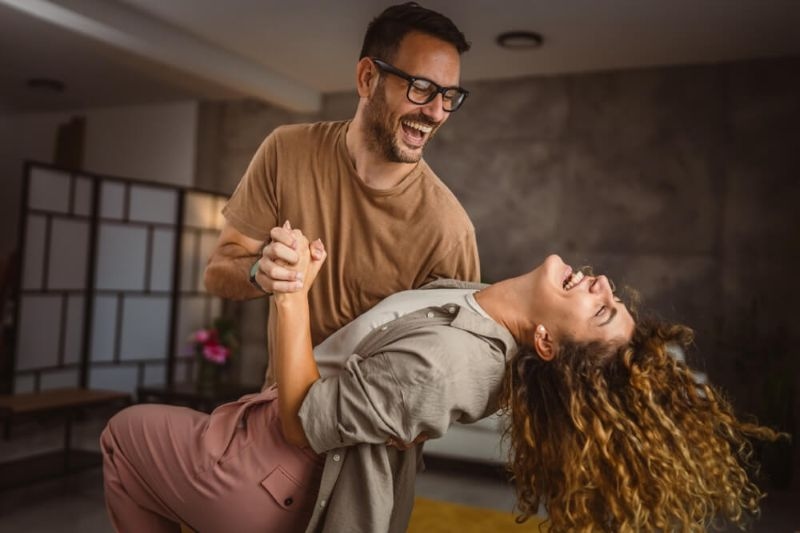
Dance is not just performance. It is movement with purpose. It has existed in every society, long before modern fitness trends or stage productions. The importance of dance comes from what it does for the body, the mind, and culture itself.
People often ask why is dance important. The answer is practical. It improves health, builds discipline, strengthens social ties, and gives people a way to express emotions physically. The benefits of dance are visible in daily life, not just in studios or theaters.
Let’s break it down properly.
The importance of dance shows up in simple, real ways. It gets people moving. It brings communities together. It creates structure around celebration and tradition.
Movement is basic human behavior. Dance turns that movement into rhythm and intention. Whether someone is training professionally or dancing at a wedding, the body and brain are both involved.
Health organizations like the CDC recommend regular physical activity for heart health and longevity. Dance fits that requirement while also engaging coordination and memory. That is one reason why is dance important beyond entertainment.
Dance is also social. Group rehearsals, performances, and cultural gatherings create connection. It is easier to bond when people move in sync.
The benefits of dance start with the body.
Unlike repetitive gym exercises, dance involves patterns that constantly shift. Steps change. Timing changes. Direction changes. That variation keeps muscles active and the brain alert.
Here are some clear physical benefits of dance:
Studies published by Harvard Medical School show that dancing regularly may reduce the risk of cognitive decline because it combines physical activity with mental challenge.
For older adults, the physical and mental benefits of dance can be especially helpful. Balance improves, which lowers fall risk. Memory improves through repetition of choreography.
If someone asks why is dance important for health, this is the reason. It trains multiple systems at once.
Read More: Dance And Identity Explained Through Culture And Expression
The physical and mental benefits of dance work together. Movement changes mood. Rhythm changes focus.
When you dance, your body releases endorphins. Stress levels drop. You concentrate on timing and steps instead of daily worries.
Some mental benefits of dance include:
Unlike passive hobbies, dance demands participation. You cannot be distracted while learning choreography. That focus strengthens neural pathways.
The physical and mental benefits of dance also include emotional regulation. Many therapists use movement based practices to help individuals process feelings in a controlled way.
This combination of movement and mental engagement explains another layer of the importance of dance.
Dance in culture carries history.
Traditional forms often represent stories, beliefs, and social values. They are not random movements. They are structured systems passed down over time.
Examples of dance in culture include:
In many societies, dance is how history survives without written documentation. Through repetition, traditions remain active rather than archived.
Dance in culture also builds belonging. When groups rehearse and perform together, they reinforce shared identity.
This is another answer to why is dance important. It keeps culture active.
Artistic expression through dance allows people to communicate physically.
Some emotions are difficult to explain verbally. Movement fills that gap. A slow sequence can represent grief. Fast, sharp movements can reflect anger or strength. Flowing patterns may suggest freedom.
Artistic expression through dance combines music, timing, posture, and space. The body becomes the medium.
Choreographers design routines with intention. Dancers interpret those routines through their own experience. That balance between structure and individuality makes dance a distinct art form.
Artistic expression through dance also develops:
For children, this builds confidence early. For adults, it provides a structured outlet for stress.
The importance of dance as an art form lies in its ability to translate internal experience into visible motion.
Also check: History of Dance and Tracing Human Movement Across Cultures
The benefits of dance extend beyond health and creativity.
Partner and group dances require coordination with others. That builds communication skills and trust.
Research from Oxford University has suggested that synchronized movement increases social bonding. Moving in rhythm with others strengthens feelings of connection.
Here are some social benefits of dance:
Dance removes certain barriers. People who may not share language or background can still connect through rhythm.
This social dimension reinforces the importance of dance in community settings.
The importance of dance becomes clear in early development.
Children in dance programs learn discipline. They follow instructions, practice consistently, and perform in front of audiences.
Benefits of dance for children include:
Pediatric research shows that structured movement activities improve executive functioning skills. Dance fits that category because it combines memorization with physical control.
The physical and mental benefits of dance at a young age often carry into adulthood.
Understanding the importance of dance is useful. Applying it matters more.
You do not need professional goals to benefit.
Simple options include:
Consistency matters. Even moderate sessions a few times per week can deliver the physical and mental benefits of dance.
The benefits of dance increase over time as coordination and endurance improve.
You may also like: Dance As Storytelling: How Movement Speaks Without Words
The importance of dance is grounded in reality, not theory.
Why is dance important? Because it strengthens the heart, sharpens the mind, builds community, and preserves culture.
Dance in culture keeps traditions alive. Artistic expression through dance allows emotional communication. The physical and mental benefits of dance improve overall well being.
The benefits of dance are practical, measurable, and accessible. Movement is natural. Dance gives it structure.
That is why it continues to matter.
Here are direct answers to common questions about the importance of dance.
Dance improves cardiovascular endurance, coordination, balance, and mental focus. It combines physical activity with cognitive engagement.
The physical and mental benefits of dance include stronger muscles, better flexibility, lower stress, improved memory, and higher confidence.
Dance in culture preserves traditions, communicates shared values, and connects generations through practiced movement.
This content was created by AI