

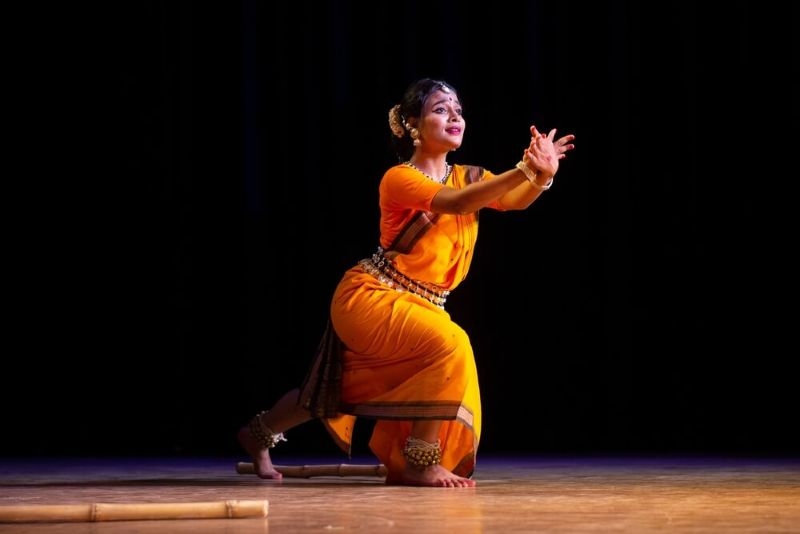
Dance has a way of speaking when words hesitate. You feel it in your chest before you name it. A sway, a stomp, a spin can say who we are, where we’re from, and what we believe without a single sentence spoken. This blog looks at how movement shapes who we are, how cultures leave their fingerprints on dance, and why the body often tells stories the mind hasn’t finished forming yet. We’ll move through personal expression, shared traditions, and social belonging, all while keeping things grounded, human, and real.
Dance and identity are closely linked because movement carries meaning long before we give it labels. This connection shows up in daily life, celebrations, protests, and even quiet moments alone with music playing.
Think about how kids move before anyone teaches them steps. They bounce, twist, and sway freely. That instinct never really disappears. It just gets shaped by family, community, and culture. Over time, repeated gestures become familiar signals. A hip shift might echo a cultural rhythm. A grounded stance might reflect resilience. Dance and identity grow together, feeding off lived experience.
You know what? Sometimes the body reacts faster than the brain. When music hits, the body responds with memory and feeling. This is where dance becomes a kind of emotional shorthand. Before you say who you are, you move like who you are. That’s not poetic fluff; it’s lived truth for dancers across the country.
Personal expression dance is where individuality steps into the spotlight. This is less about tradition and more about honesty.
Ever danced alone in your living room? No mirrors, no rules. That’s self-expression at its purest. The movement might look messy, but it feels right. That’s because personal expression dance isn’t about approval. It’s about release. Many people turn to freestyle, contemporary styles, or even social media dance trends as a way to say, “This is me today.”
Certain movements carry emotional weight. A sharp motion might release frustration. A slow turn might feel reflective. Over time, dancers build a movement vocabulary tied to their emotional lives. It’s not therapy exactly, but it’s close. Honestly, for many, it’s the only place where emotions feel safe enough to surface.
The cultural identity movement reflects where we come from and who came before us. These dances hold memory, struggle, joy, and survival.
From Native American powwow dances to African American stepping, cultural movement traditions pass history from body to body. No textbooks required. Each generation adds subtle changes, but the core feeling stays. That’s how culture breathes. It adjusts without disappearing.
In the U.S., the cultural identity movement often blends influences. Latin social dances mix with hip hop footwork. Folk traditions meet urban styles. This mixing doesn’t erase identity; it expands it. The dance floor becomes a shared space where different stories coexist, sometimes clashing, sometimes blending smoothly.
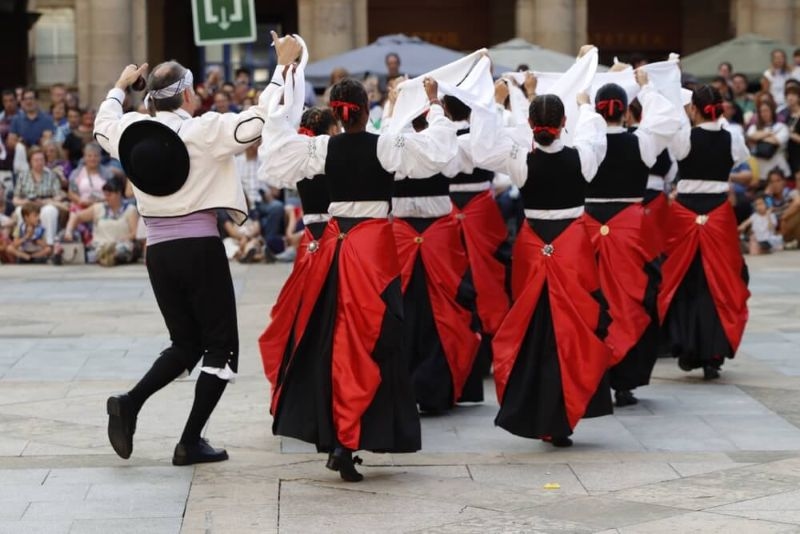
Social identity dance focuses on how movement builds community. Dancing together changes how people relate to each other.
Watch a line dance or a flash mob. Everyone moves together, and suddenly strangers feel connected. That shared rhythm creates belonging. Social identity dance reminds people they’re part of something bigger, even if just for a few minutes.
Clubs, studios, and community centers reflect social identity. Who feels welcome? Who leads? Who follows? These spaces reveal power dynamics and cultural values. At the same time, they offer chances to rewrite those dynamics. A dance floor can be a testing ground for inclusion.
Every dance space has its own quiet rules. Some are obvious, like staying in formation during a line dance. Others are subtle, like knowing when to step forward or give someone space. These shared understandings help people feel safe and seen.
Storytelling body language is where dance turns narrative. Movements become characters, emotions become scenes.
Some stories are too complex or painful to explain out loud. Dance handles them differently. A collapse to the floor can be a loss. A repeated reach can show longing. Audiences don’t need every detail spelled out; they feel it. That’s the magic of physical storytelling.
Love, conflict, hope, grief. These themes show up everywhere, but each culture tells them differently through movement. Ballet lifts tell one version. Street styles tell another. Both are valid. Both connect because the body speaks a shared emotional language.
In the U.S., identity is constantly shifting, and dance reflects that constant motion.
TikTok, YouTube, and studio livestreams have changed how dance spreads. People borrow steps, remix them, and add personal flavor. This has sparked debates about ownership, but it’s also opened doors. More voices. More visibility. More chances for self-expression.
Sometimes dance pushes back without shouting. Protest movements often include choreographed gestures or symbolic movements. These actions build unity and send messages without speeches. Dance and identity intersect here as both personal statement and social signal.
Dance sits between the individual and the collective. It’s private and public at the same time.
Learning to move with intention builds confidence. Not flashy confidence, but grounded confidence. The kind that comes from knowing your body belongs to you. That feeling often carries into everyday life, from how people walk into a room to how they speak up.
Here’s the thing. Identity isn’t fixed. Neither is dance. Styles change. Bodies change. Emotions change. That’s not a weakness; it’s the point. Dance allows identity to stay flexible without losing its core.
Dance doesn’t just decorate culture; it shapes it. Through personal expression dance, people meet themselves honestly. Through the cultural identity movement, communities remember who they’ve been. Through social identity dance, individuals find belonging. And through storytelling, body language, and emotions find form. Dance and identity move together, sometimes awkwardly, sometimes beautifully, but always truthfully. If you listen closely, the body tells you everything you need to know.
Dance reflects personal history, culture, and emotion through movement. It shows who we are without needing words.
Yes. Dance offers a physical way to release emotions and express feelings that are hard to explain verbally.
It preserves history and shared values through tradition. These movements connect generations and strengthen community bonds.
Absolutely. Dancing together creates shared experience and connection, even among people who’ve never met before.
This content was created by AI