

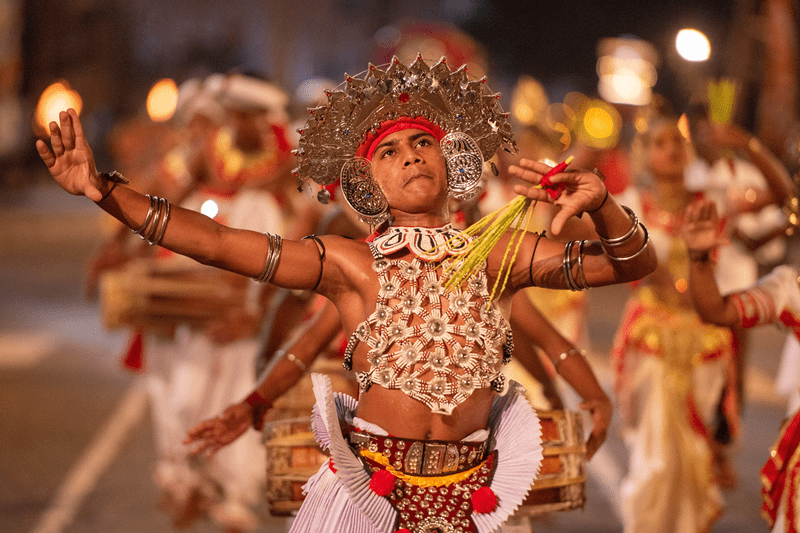
The history of dance dates back to a time before written words existed. Movement came first. People moved to express joy, fear, hope, and belief. Here’s the thing: dance was never just an art form. It was communication. The history of dance connects the origin of dance forms with daily life, rituals, and survival. A clear dance history timeline helps illustrate how movement evolved as humans evolved. Global dance history demonstrates that dance traditions are present in every culture, regardless of the distance between them.
Dance started simple and grew complex. What this really means is that movement follows human needs. The evolution of dance reflects history itself, shaped by time, place, and purpose.
The history of dance dates back to ancient times. Early humans used movement during rituals, hunts, and gatherings. These actions were not planned performances. They were shared experiences. Dance traditions formed naturally as groups repeated movements together.
Archaeologists found cave drawings showing dancing figures. These images suggest the origin of dance forms tied to survival and belief. The dance history timeline situates early dance in proximity to religion and nature.
Common early dance purposes included
The evolution of dance began as a group activity. Global dance history reveals similar patterns across continents, even in the absence of direct contact.
As societies grew, dance became more organized. The dance history timeline shows clear examples from ancient civilizations. In Egypt, dance was a prominent feature of temples and royal events. In Greece, dance was linked to education and theater.
The history of dance in these cultures reveals a distinct structure. Movements followed rules and meanings. Dance traditions reflected the social roles and values of their time.
Key features of ancient dance include
The origin of dance forms expanded during this time. Global dance history reveals that dance has become an integral part of law, learning, and worship.
Religion has profoundly shaped the history of dance. Many early dances were sacred. Movement became prayer. The origin of dance forms often connects to spiritual belief.
In many cultures, priests or trained dancers performed ceremonial dances. These dances followed strict patterns passed down through generations. Dance traditions stayed unchanged for long periods.
Examples of religious dance use
The evolution of dance slowed here because tradition took precedence over change. Global dance history shows respect for sacred movement across cultures.
During the medieval era, dance became increasingly integrated into social life. The history of dance shows movement leaving temples and entering town squares. People danced at weddings, festivals, and fairs.
The dance history timeline marks this period with group dances and simple steps. Dance traditions evolved as ways to bond and celebrate the community.
Standard features of medieval dance
The origin of dance forms here focused on social connection. The evolution of dance reflected daily life more than it did religious beliefs.
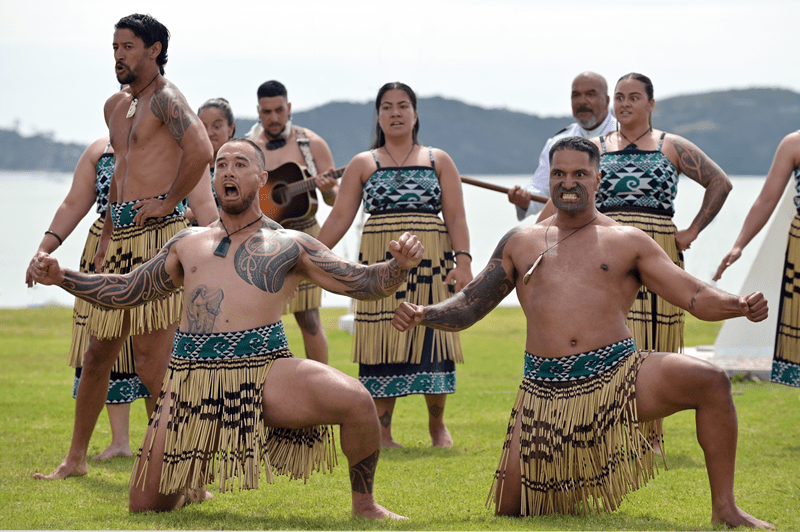
The Renaissance brought change. The history of dance during this time shows movement becoming refined. Courts and nobles shaped dance styles. Steps became detailed and formal.
Dance masters wrote manuals. This helped preserve techniques. The dance history timeline highlights this as a turning point.
Important changes included
Dance traditions shifted toward performance and elegance. Global dance history reveals similar court dances emerging in various regions.
The evolution of dance continued into the theater. Ballet emerged as a significant form. The history of dance reveals that ballet has developed its own rules, positions, and training systems.
The origin of dance forms became more technical. Dancers are trained for years. Performances told stories using movement alone.
Key elements of performance dance
Dance traditions became formal. Global dance history records ballet spreading across countries, adapting each time slightly.
Global dance history shows how cultures influenced each other. Travel and trade facilitated the exchange of dance styles. The history of dance reflects these exchanges clearly.
For example, African rhythms influenced dances in the Americas, where European forms were mixed with local traditions. The dance history timeline shows constant movement of ideas.
Results of cultural exchange include
The evolution of dance sped up during these exchanges. The origin of dance forms became increasingly difficult to trace to a single place.
Folk dance plays a strong role in the history of dance. These dances reflected daily life. They reflect farming, weather, work, and family events.
Dance traditions passed through families, not schools. Steps stayed meaningful but straightforward. Global dance history shows folk dance in every region.
Common folk dance features
The origin of dance forms here stayed rooted. The evolution of dance happened slowly, respecting tradition.
Modern times brought faster change. The history of dance reveals the emergence of new styles that form rapidly, shaped by cities, music, and media.
The dance history timeline includes modern, jazz, and street styles. These dances broke old rules. Personal expression mattered more.
Changes seen in modern dance
The evolution of dance accelerated. Global dance history reveals that styles spread worldwide in a remarkably short time. Dance traditions adapted to new life.
The history of dance helps us understand human culture. Movement tells stories books cannot. The origin of dance forms shows how people lived and felt.
Learning the history of dance builds respect for tradition. Global dance history connects cultures through shared motion. Dance traditions remind people of their roots and identity.
What this really means is that dance holds memory. The evolution of dance continues, but the past still guides movement today.
Dance traditions shape identity and pride. The history of dance shows communities using movement to stay connected. Festivals, rituals, and celebrations keep dances alive.
Dance traditions teach values.
The origin of dance forms remains visible in modern steps. Global dance history demonstrates that dance never entirely disappears; it simply changes shape.
The history of dance reveals how movement has evolved alongside humanity. The dance history timeline connects the origin of dance forms to daily life and belief. Through the evolution of dance, cultures shared and adapted traditions. Global dance history proves dance remains a powerful human language across time and place.
The history of dance is the story of how humans have used movement to express their feelings, beliefs, and social lives over time.
A dance history timeline helps illustrate how dance evolved in response to changes in culture, religion, and society across different periods.
The origins of dance forms can be traced back to rituals, celebrations, and survival activities in early human communities.
Dance traditions help preserve culture, teach history, and connect communities through shared movement and meaning.
This content was created by AI