

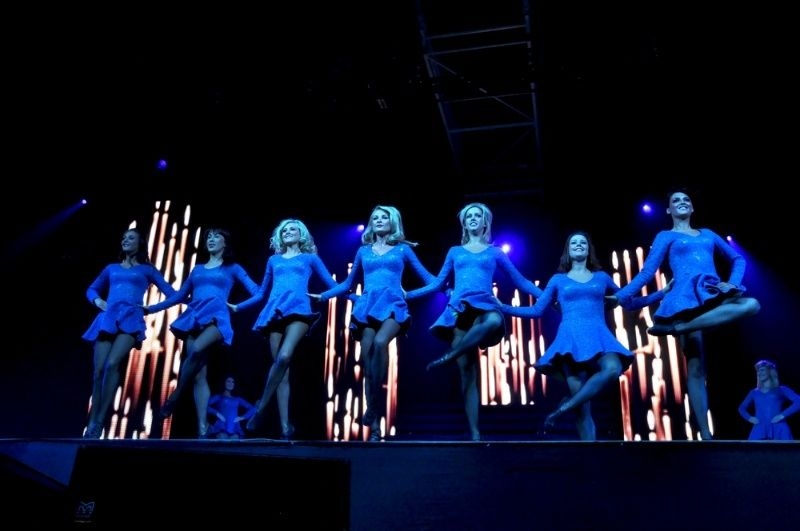
Irish step dance is a traditional dance form known for quick footwork and a still upper body. It has grown from small gatherings into a widely performed cultural art. This blog looks at Irish step dance history, highlights famous Irish step dancers, and explains how the most popular Irish dance reached global stages.
Must Read: Basic Dance Techniques That Build Strong Skills Step by Step
Irish step dance history shows how a local tradition slowly built a global identity. In the beginning, the dance was simple and performed in tight spaces. People danced in kitchens, small halls, or during community gatherings. There was no big stage, no bright lighting, just rhythm and memory passed from one person to another.
Over time, teachers began shaping the dance into a more structured form. Steps became sharper, movements became more precise, and rules started to appear. Competitions helped bring order and recognition. It was no longer just a social activity. It became something people practiced with intent.
The strict upper body style, which is now widely recognized, also became more defined during this phase. It gave the dance a unique identity. While other dance forms used the whole body, this one focused on footwork. That difference stayed. It still defines the form today.
The most popular Irish dance did not become global overnight. It moved slowly, carried by performers who believed in its strength. At first, it traveled through cultural events and small tours. Audiences outside Ireland began noticing something different.
The speed, the rhythm, the control, all of it stood out. There was a sense of discipline that felt fresh to many viewers. Performers started experimenting with stage presence. They added more energy and more expression without changing the core style.
Soon, larger productions began featuring the dance. This changed everything. The performances became more visual, more engaging, and easier for global audiences to follow. The dance was no longer limited to tradition alone. It became a performance art.
Even today, the reason it remains popular is simple. It feels structured but not rigid. It looks traditional but not outdated. This balance keeps people interested.
Top Pick: Dance Warm-Up Exercises for Safe Body Prep Each Session
These dancers did not just perform. They changed how people saw the dance. Each one brought something new, sometimes small, sometimes bold. But it mattered.
He changed the scale of performances. His style was sharp, but his stage presence made everything feel larger than life. He showed that the dance could fill big spaces and still hold attention without losing its traditional feel.
Her movements carried both strength and calm control. She showed that precision did not have to look rigid. Her style helped shape how many dancers approach grace within strict technique.
He explored expression more deeply. His performances showed that rhythm could tell a story. It was no longer just about steps. It became about feeling.
They brought focus to group harmony. Their work showed how synchronized movements could elevate performances. It was not always about one dancer. Sometimes the group mattered more.
His control over timing stood out clearly. Every step felt measured. He showed how discipline could shape a dancer’s identity without needing extra flair.
She built a strong presence through consistency. Her performances remained steady, and that steadiness became her strength. It inspired many dancers who valued technique over attention.
He pushed creative boundaries while respecting the form. His approach showed that tradition and creativity could exist together without conflict.
Famous Irish step dancers often share certain traits, though each one expresses them differently. Precision is always there. It cannot be avoided. The steps demand it.
But precision alone is not enough. Timing plays an equal role. The connection between movement and music must feel natural, not forced. That is where many dancers struggle. And that is also where great dancers stand apart.
Posture is another key element. The still upper body is not just a rule. It shapes the visual identity of the dance. When done right, it makes the footwork stand out even more.
Practice builds all of this. Not quickly. It takes time. Years, often. Small corrections, repeated again and again, until they become second nature.
The influence of earlier dancers continues to guide new learners. Many students watch past performances to understand timing and structure. It helps them see how small details create strong performances.
Training methods now mix old and new approaches. Teachers still focus on traditional techniques, but they also prepare students for modern stages. This creates flexibility without losing identity.
Competitions play a big role here. They give dancers a goal. A reason to improve. But they also keep standards high. Without them, the structure might weaken over time.
The learning process is not always smooth. Some dancers focus on speed first. Others focus on control. Eventually, both need to come together. That is where real progress happens.
Irish step dance history continues to shape how the dance is understood and practiced. It reminds dancers where the form came from. It also explains why certain rules exist.
Without that history, the dance might lose its identity. Modern changes are important, but they need a base. That base comes from the past.
Many dancers study earlier styles to improve their own approach. It gives them context. It helps them understand what to keep and what to change.
The connection between past and present is not always obvious. But it is always there. Quiet, but strong.
Irish stepdance has developed over time thanks to dedicated performers who have shaped its path. This is evident today in various forms and methods. As new performers learn and perform Irish stepdance, their impact becomes evident. This dance form has been shaped by these dedicated performers and will continue to be.
Irish stepdance involves quick footwork while keeping the upper body still. This makes Irish step dancing unique. It also involves structured techniques, which set it apart from the unstructured techniques used in other dance forms.
Irish stepdance has been shaped by various performers. Their contribution to Irish step dance has been positive. It has included improvement of technique, stage presence, and methods. Each of these performers has added their unique contribution to Irish step dance.
It remains relevant because it balances tradition with performance. The structure keeps it grounded, while stage adaptations make it appealing to modern audiences. This combination helps it stay active across different cultures and generations.
This content was created by AI