

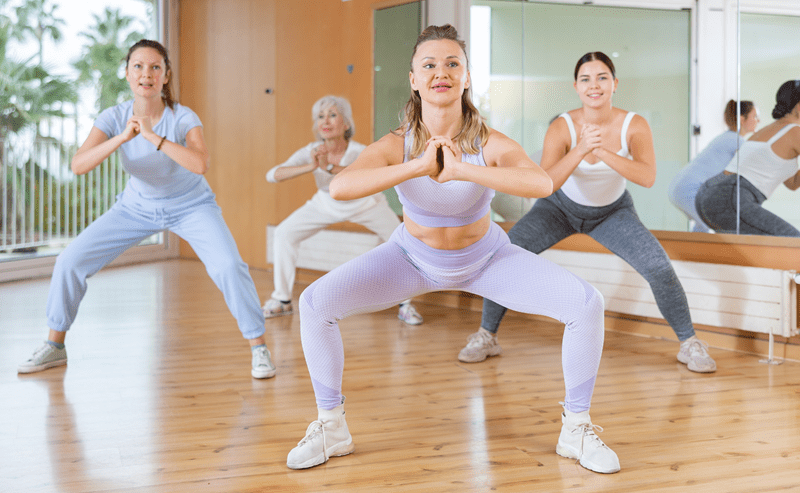
Dance warm-up exercises are the quiet heroes of every good session. Here’s the thing: many dancers rush past them and later regret it. An innovative pre-dance warm-up sets the tone for movement, focus, and safety. Dance warm-up exercises support muscle activation, body preparation, and safe practice from the very first minute. An injury prevention warm-up is not about slowing down; it is about moving better. When the body feels ready, the mind follows, and dancing feels lighter and more controlled.
Warm-ups are not random stretches. They are planned steps that wake the body. Dance warm-up exercises help joints move smoothly and muscles react on time. This simple habit supports long-term progress and confidence.
Dance warm-up exercises protect the body. Cold muscles do not respond well. A proper pre-dance warm-up prepares muscles and joints for sudden movement. What this really means is fewer strains and better balance.
Warm-ups help
An injury prevention A warm-up also improves coordination. Body preparation makes jumps softer and turns steadier. Dance warm-up exercises support dancers of all levels, not just beginners.
A pre-dance warm-up should feel gradual. It starts easily and builds slowly. Sudden stretching without movement can cause tension.
Key goals of a pre-dance warm-up include
Dance warm-up exercises are most effective when they follow a simple flow. Body preparation comes before intensity. Safe practice depends on patience here.
Muscle activation is about turning muscles on, not tiring them out. Small, controlled movements help muscles respond more quickly later. Dance warm-up exercises that focus on muscle activation reduce shock to the body.
Examples of muscle activation movements
Muscle activation supports balance and alignment. A good pre-dance warm-up always includes this step. Injury prevention warm-up starts right here.
Body preparation means the whole body feels ready, not stiff or sleepy—dance warm-up exercises for body preparation focus on smooth motion.
Helpful body preparation actions include
These movements improve range without forcing a stretch. Body preparation supports safe practice by reducing sudden stress. Dance warm-up exercises feel more natural when the body is prepared.
An injury prevention warm-up protects dancers over time. Minor aches often start from skipped warm-ups. Dance warm-up exercises reduce these risks when done consistently.
Injury prevention warm-up focuses on
Pre-dance warm-up habits help prevent common injuries, such as ankle rolls or knee strains. Safe practice is built through repetition and care, not speed.
The upper body carries posture and expression. Dance warm-up exercises should never be ignored. Shoulder tension can affect balance and coordination, particularly during turns.
Upper body warm-up ideas.
These support muscle activation in the arms and back. Body preparation improves control and grace. A pre-dance warm-up that includes upper-body work supports safe practice fully.
The lower body handles most impact. Warm-up exercises are critical for dance. Ankles, knees, and hips need care.
Lower body warm-up actions
Muscle activation in the legs improves jumps and landings. An injury prevention warm-up protects joints. Body preparation helps dancers feel grounded and stable.
The spine connects all movement. Dance warm-up exercises should gently activate the core. A strong core supports balance and posture.
Core-focused warm-up movements.
These movements support muscle activation without strain. Pre-dance warm-up routines that include the core improve control. Safe practice depends on a responsive center.
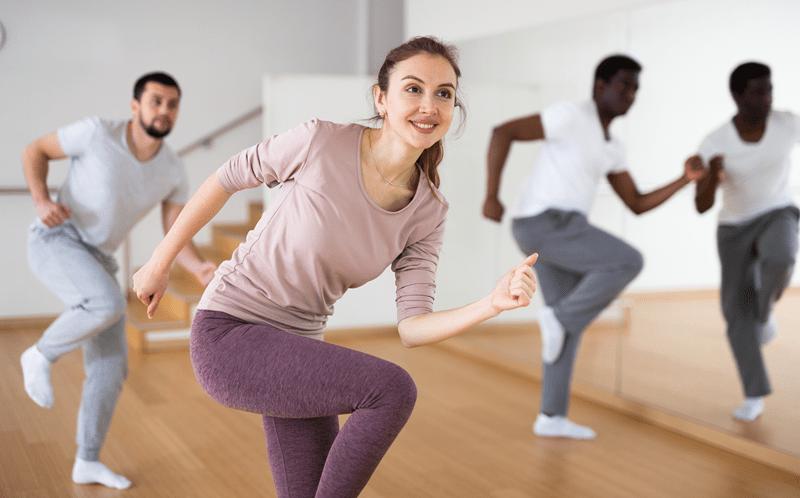
Breathing is often forgotten. Dance warm-up exercises work better with steady breathing. Breathing helps muscles relax and activate correctly.
Breathing during warm-up helps.
Body preparation is both mental and physical. A calm pre-dance warm-up sets intention. Injury prevention warm-ups include awareness, not just motion.
Some habits can reduce the benefits of dance warm-up exercises. Knowing these helps maintain safe practice.
Common mistakes include
Dance warm-up exercises should never cause pain. Body preparation takes time. Injury prevention warm-ups work only when done fully and correctly.
Different dance styles require different warm-ups—ballet, hip-hop, and contemporary all stress the body in various ways.
Style-based warm-up focus
A pre-dance warm-up should match the movement ahead. Body preparation becomes more effective when it is tailored to the individual. Safe practice means adapting wisely.
Dance warm-up exercises do not need to be long, but they must be comprehensive. Most warm-ups last ten to twenty minutes.
Time depends on
An injury prevention Warm-up is never rushed. Pre-dance warm-up is an investment. Body preparation now saves time for recovery later.
Teachers use dance warm-up exercises to teach care and discipline. Students learn body awareness early.
Warm-ups teach
Muscle activation and body preparation become routine. Injury prevention warm-up becomes a mindset, not a task.
Warm-ups at home, too. Practicing without preparation increases the risk of injury.
Simple home warm-up ideas
A short pre-dance warm-up still supports safe practice. Body preparation at home helps maintain steady progress.
Here is a simple sequence you can adapt. Remember to listen to your body and move within a pain-free range.
Dance warm-up exercises prepare the body and mind for safe movement. A vigorous pre-dance warm-up supports muscle activation, body preparation, and injury prevention habits. These steps protect dancers long-term. Safe practice begins before the first step and continues with care, focus, and consistency.
Dance warm-up exercises are gentle movements that prepare muscles and joints for dancing safely and effectively.
A pre-dance warm-up helps activate muscles and prepare the body, reducing the risk of injury.
Muscle activation enables muscles to respond more quickly, enhancing balance, strength, and control.
Yes, skipping an injury prevention warm-up increases the risk of strains, sprains, and long-term issues.
This content was created by AI