

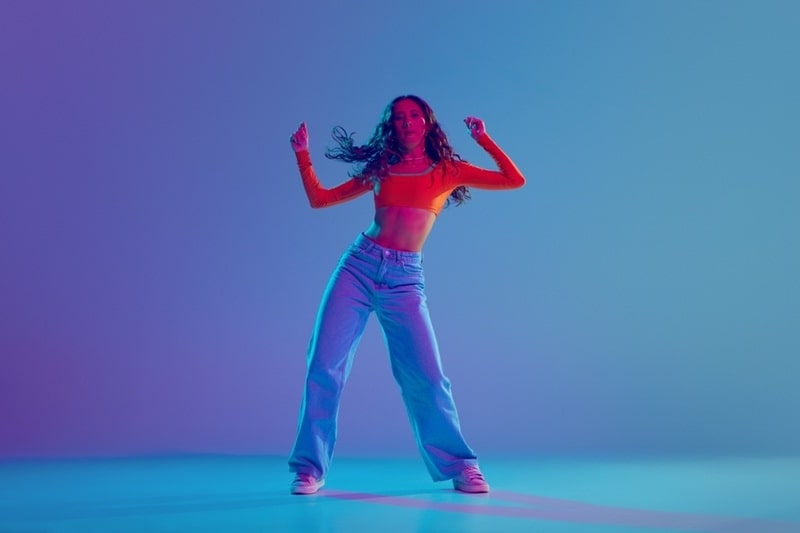
A dancer can learn the steps, hit the counts, and still look “off.” Not bad. Just… slightly messy. Like the movement is leaking energy in weird places. That usually points to one thing: posture.
Posture is not just standing tall. It is how the whole body organizes itself while moving. It is the base that makes turns stable, lines cleaner, and transitions look effortless instead of rushed. The best part? Fixing posture can improve almost everything at once. The tricky part? Most dancers think posture means squeezing the shoulders back and pulling the chest up. That is not posture. That is tension wearing a costume.
This guide explains posture in dance in a practical way. No dramatic “perfect dancer” talk. Just what actually helps.
In dance, posture is moving alignment. The dancer should be able to shift direction, change levels, and travel across the floor without the upper body collapsing or over-tightening.
A helpful way to think about it:
That “stacking” idea matters. If the ribs flare forward or the pelvis tips too much, the dancer loses stability. The body becomes a wobbly tower. Then technique gets harder than it needs to be.
Posture is not a single shape. It is a relationship between body parts, constantly adjusting.
Posture affects balance, breathing, and how weight travels through the feet. When posture is off, the dancer often compensates without realizing it. They grip the neck. They arch the lower back. They lock the knees. Then the movement loses flow.
Good posture does not mean stiff. It means aligned and ready.
When alignment is clean:
That is why teachers keep talking about posture. They are not being picky. They are trying to help dancers move with less effort.
Most dancers deal with a few repeat offenders. None of them mean someone is a “bad dancer.” They just mean the body is using habits.
Forward Head And Tight Neck
Often shows up when dancers look in mirrors constantly or carry stress in the shoulders.
Rib Flare
The ribs push forward, usually from trying to look lifted. This can create lower back tension and reduce core support.
Anterior Pelvic Tilt
The pelvis tips forward, making the lower back arch and the hips feel tight. It can mess with leg lines and stability.
Locked Knees
Looks “straight,” but removes shock absorption and makes balance harder.
Collapsed Feet
When arches drop, the whole leg chain loses support. Turns and jumps often suffer.
Fixing these is not about shame. It is about awareness and small corrections.
Here is a weird truth: many posture issues improve when dancers breathe better. Shallow breathing often leads to lifted shoulders, rib flare, and a tense upper body.
A good cue is: breathe wide into the ribs, not just up into the chest.
Then comes core support. Not a hard brace. More like gentle connection. The core should support the spine while still allowing movement.
This is where posture correction becomes practical. Dancers do not need to “hold posture” with stiffness. They need to organize the body with breath and balanced muscle effort.
If posture is the tower, the feet are the foundation. Weak foundations create wobbly towers. Simple.
Good stance control starts with noticing weight distribution:
A quick drill:
Stand in parallel. Spread the toes. Press the big toe, little toe, and heel into the floor. Feel the arch lift slightly. Then soften the knees. Not a squat, just unlocked.
That alone can change the whole look of the posture. The legs engage more evenly, and the hips feel more stable.
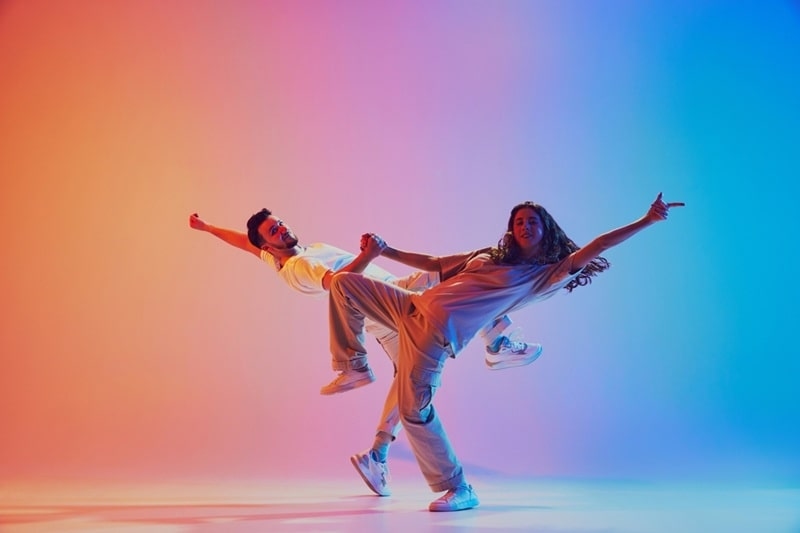
Clean movement is not about being robotic. It is about clarity. When posture is aligned, energy travels smoothly through the body. Movements start and finish with intention. Transitions look controlled.
That is what people mean by clean movement. It looks like the dancer is in control, even when the choreography is fast.
Posture helps clean movement by:
A dancer with clean posture often looks more advanced, even if their steps are simple.
When dancers struggle with consistent technique, they often try to fix it by “trying harder.” More power. More speed. More effort.
But technique accuracy usually improves when alignment improves. Because alignment sets the body up to succeed.
Examples:
Technique is not just skill. It is structure.
Dancers do not need an hour-long routine. They need small, repeatable drills that can be added to warm-ups.
Wall Alignment Check
Stand with back against a wall. Head, upper back, and pelvis near the wall. Feel the ribs soften down. Breathe. Do not force the lower back flat, just keep it neutral.
Shoulder Blade Slides
Arms at the wall in a goalpost shape. Slide up and down slowly. Keep shoulders down and ribs controlled. This helps upper back support.
Plank With Breath
Hold a plank and focus on steady breathing. If shoulders creep up, reset. This builds real support without stiffness.
Single-Leg Balance
Stand on one leg and hold for 20 to 30 seconds. Keep hips level. Keep ribs stacked. This builds posture under real balance demand.
Marked Choreography With Posture Focus
Run a combo at 50% speed and watch one thing: ribs over pelvis. If that stays organized, everything looks cleaner.
Small work, repeated often. That is how posture changes.
Posture slips in class because dancers are thinking about everything at once. That is normal. So self-correction needs to be simple.
Pick one cue per week, like:
When that cue becomes automatic, move to the next one. Trying to fix ten things at once usually leads to tension and frustration.
Also, mirrors can help or hurt. Mirrors are great for checking lines. But dancers should also practice feeling posture without staring at themselves. Performance does not come with a mirror.
Good posture is not about looking stiff and “proper.” It is about being organized enough to move freely. When posture is aligned, dancers waste less energy, look cleaner, and feel more stable. Everything becomes easier, even the hard stuff. That is why posture in dance is worth practicing like a real skill, not a quick reminder. It is not a boring detail. It is the foundation of clean technique.
Many dancers feel changes within a few weeks if they practice simple alignment drills consistently. Visible change often takes longer, especially when habits are deeply ingrained.
It can contribute. Misalignment can lead to compensation patterns, extra joint stress, and muscle overuse. Strong posture support can reduce risk and improve recovery.
A simple one is “ribs over pelvis.” It keeps the torso organized without forcing the shoulders back or over-arching the lower back.
This content was created by AI