

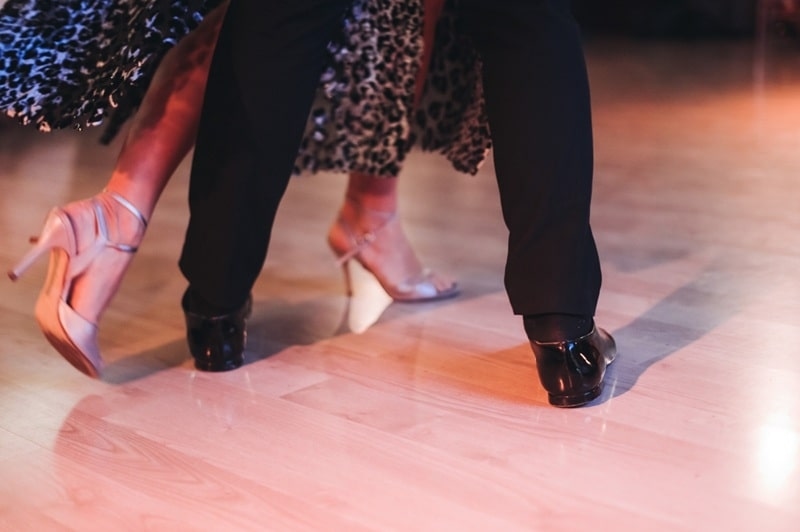
Footwork is super important in almost every dance style. Think hip-hop, jazz, ballroom, or modern dance – how you use your feet really makes a difference in how confident, smooth, and expressive you appear.
This guide goes through the basic footwork techniques in dance with easy tips and advice that you can quickly implement.
These footwork techniques in dance will enable you to perform with greater self-assurance and attract attention with your movement.
Rather than rushing into complex steps, you first need to understand how your feet are actually making contact with the floor. That means paying attention to where your weight is and how it shifts as you move. A lot of beginners just want to get straight to the choreography and skip this part, but honestly, that’s how you end up with sloppy dancing.
Good foot awareness keeps you grounded, but still lets you move lightly. It’s the secret to balance when you’re turning, jumping, or changing direction. Dance teachers hit this concept early on, and for good reason — it’s a game-changer, no matter what style you’re learning.
Where you put your feet, and how you put them down, make a huge difference in balance and clean lines. You want your feet to land with purpose — not just wherever, and definitely not with a thud.
Get your foot placement right, and the rest of your body lines up naturally. Your knees, hips, and even your torso follow wherever your feet lead. Stick with good habits, and you’ll see your posture improve, plus your joints will thank you.
Great footwork relies on smooth weight shifts. You’re always moving weight from one foot to the other, sometimes slow, sometimes quick. If you can control this, your dancing loosens up and flows.
When you transfer your weight correctly, your steps feel lighter, and everything connects more smoothly. This really matters in traveling moves and partner work, where you and someone else have to be in sync. Every dance style drills this skill for a reason, and it’s essential.
Speed in dance isn’t just about moving fast; it’s about keeping things sharp even when the tempo cranks up. Lots of dancers lose the details once things speed up.
If you practice controlling your speed, you’ll nail quick sequences without letting your steps blur together. Instead of cutting corners or skipping moves, you keep every step clear — even at full throttle. That’s the difference between looking like a pro and looking like a beginner.
Agility drills make your feet very quick and responsive. These exercises involve short, repeated movements that improve your coordination and reaction time. During a class, agility training enables you to cope with unexpected changes in direction or rhythm.
If you incorporate these drills into your regimen, you will be able to learn new choreography more quickly.
When your hips, knees, ankles, and feet all work together, your dancing looks smooth and connected. Without that coordination, things just look off.
Coordination training is all about syncing up your legs and feet — super important when rhythms get layered, or the steps get complex. The better your lower body coordination, the easier it is to transition between moves and keep control, no matter what’s next.
Footwork in dance is not about stomping around or forcing every step. It is all about moving with precision, making each step look easy and relaxed. Precision comes from really controlling your muscles and knowing exactly what you want to do.
When dancers focus on precision, they hit the right positions and concentrate on their timing. That kind of practice saves energy and builds endurance in the long run. If you watch top-level dancers, you’ll notice their movement always looks sharp and intentional—this is what sets them apart.
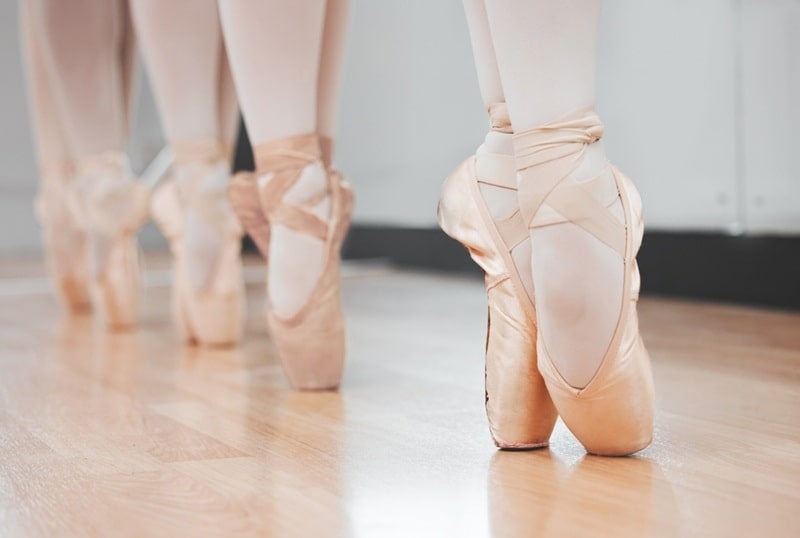
Quick direction changes pop up in all kinds of dance. Whether you’re turning, sliding, or suddenly pivoting, your feet lead the way. The trick is to set up your feet before you switch direction. That’s how you keep from slipping or losing your balance.
Achieving this correctly primarily involves clever foot positioning and good control of body weight. Those dancers who are capable of such a feat appear to be smooth and confident, even when the choreography is accelerated or made complicated.
Work on foot and balance are inseparable. To be grounded is to maintain the connection with the floor and, at the same time, keep the body light and prepared for movement.
Dancers who ground themselves look rock-solid, even during tough moves. This stability gives them more control when they’re spinning, jumping, or freezing. Balance training is something dancers keep coming back to—it’s the backbone of great footwork.
Traveling steps move you across the floor, and they need to look smooth, not choppy or awkward. Good footwork stops you from dragging your feet or bouncing around. You want each step to push off the floor cleanly and land with purpose.
Speed control and lower-body coordination really make a difference here. When dancers get this right, their movements just flow, and the whole performance stands out.
Feet are the secret to showing rhythm. Even when your upper body is doing something complicated, your feet keep you in sync with the music.
Practicing foot rhythms builds musicality, so performances have more energy and intention. When dancers really get rhythm through their feet, they can adapt to any music style thrown at them.
Strong feet and ankles are a game-changer. They give you better technique and keep injuries at bay. But let’s be honest—lots of dancers forget about this and just focus on learning moves.
Some simple strength exercises can boost endurance and control. Stronger feet make it easier to perform precise movements and keep your foot placement sharp, even during long rehearsals or shows.
There are moments when you have to concentrate only on your feet. By removing the arm movements or the whole choreography, you can better understand which aspects of your footwork require further development.
Practicing footwork on its own builds awareness and muscle memory. Dance teachers often use this to help students refine the necessary details.
Every dance style has its own flavor, but the basics—balance, coordination, and precision—are always there. Whether you’re into salsa, hip-hop, or contemporary, those fundamentals make all the difference.
When dancers understand these core ideas, switching between styles gets a lot easier. Solid basics help you pick up new genres faster and actually have fun with them.
Dancers sometimes rush, forget about proper foot placement, or neglect balance. These habits slow you down and stop you from growing.
Staying focused while you practice helps you catch these mistakes early. With some awareness and steady effort, you can build footwork skills you can actually rely on.
Strong footwork is essentially what supports confident dancing. Dancers achieve this by paying attention to where their feet land, agility, speed control, coordinating the lower body, and moving very precisely.
With the development of your footwork, your confidence grows, your movements become easier to execute, and your ability to express yourself through movement increases, which will make dancing much more enjoyable!
Practicing frequently will yield results, but most dancers start noticing improvements in their dance skills approximately three weeks after properly training their feet and ankles through focused dancing.
Absolutely, you want to nail the basics first. Simple drills and moving slowly give you that strong foundation you need before you take on tougher routines.
When your footwork’s solid, you move with better balance and proper alignment. That takes a lot of pressure off your joints and helps you avoid injuries.
Short sessions a few times a week deliver good results if the practice is regular and done with concentration.
This content was created by AI