


For dancers to develop confidence, expressiveness, and technical ability, they need to have an organized practice regimen. The correct choreography to use when practicing, whether just starting out or performing, is crucial to developing the way dancers train and improve, as well as their overall performance.
In a highly competitive environment like today's dance industry, talent isn't everything, so every dancer has to train every day, have a good practice plan, create a dance schedule with realistic goals, consistently train, and have a good approach to improvement with regard to both mental and physical growth.
This guide is designed to help the dancer to establish an incentive-based, focused & sustainable routine created with the help of others, which will empower and motivate through an efficient reward system.
A well-rounded dance practice regimen guides students; it supports their growth through the development of the necessary discipline required to achieve their goals as dancers. Dance students who spend less time developing muscle memory, technique, coordination, balance, musicality, and timing are prone to injury due to lack of consistent training. However, daily training combined with a well-defined practice structure will also accelerate improvement and strengthen confidence in each dancer's ability to perform well. Each practice session is designed for the purpose of achieving success through learning.
A successful dance practice program fosters a daily training habit rather than making it feel burdensome. The key to effective practice is to maintain regularity while ensuring that you remain concentrated during your sessions, rather than simply practicing for an extended period.
The advantages of having a dance practice program are:
When dancers adhere to an established improvement schedule, 45 minutes of daily practice will produce visible improvement in only a couple of weeks.
Smartly organizing dance practice enables dancers to maximize the benefits of their practice time while minimizing the risk of injury. Dance practice should begin with a warm-up, which prepares both the body and mind.
To maintain a consistent level of training, all dancers must complete a proper warm-up before beginning any other parts of the dance. The purpose of a warm-up is to protect the joints and muscles from injury.
Here is what a good warm-up consists of:
By following all these warm-up procedures, dancers will be well-prepared for the rigorous physical training associated with daily dance practice.
A practical dance schedule will help maintain your training routine so it is always viable. More importantly, when a dancer experiences overtraining, he/she will easily lose interest, thus becoming 'burnt-out'. On the flip side, having an inconsistent schedule makes it difficult for a dancer to advance.
Tips for developing a weekly dance schedule include:
Training in a balanced manner enables a dancer to maintain a consistent practice pattern while allowing for recovery and improving physical strength in the process.
The secret to every successful dancer's dance practice routine is due to the regularity of their training sessions. Consistency, even if it means shorter daily training sessions, produces long-term results.
The benefits of consistent training are:
By having a structured dance schedule, a dancer will remain focused and motivated.
A well-organized, regular improvement process takes your hard work and creates a pathway for you to see your improvement. Each dance practice routine adds to the previous week's improvement routine.
Using a journal or video each week enables you to track your dance progress effectively. This also allows you to see your strengths/weaknesses as you develop your skills.
Setting both short-term and long-term goals will help you stay focused on your training, while also adding excitement to your routine.
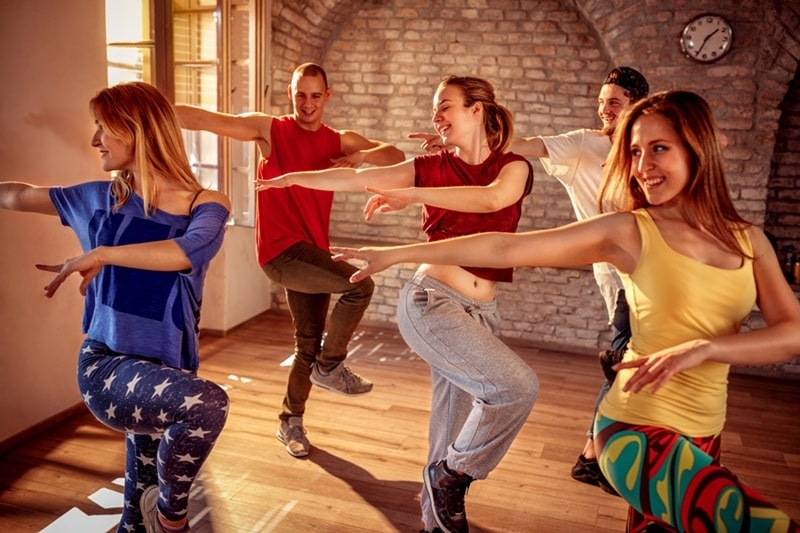
Along with Strengthening Physical Training, Mental Discipline Needs Just as Much Attention and Practice. Also, when dancers are focused, they maintain their regular training sessions and continue to train long term.
Strategies to Build Mental Focus Include:
Dancers Who Are Mentally Strong Have the Confidence to Practice According to Their Dance Schedules.
Along with Strengthening Physical Training, Mental Discipline Needs Just as Much Attention and Practice. Also, when dancers are focused, they maintain their regular training sessions and continue to train long term.
Strategies to Build Mental Focus Include:
Mentally Strong dancers have the Confidence to Practice According to Their Dance Schedules.
Avoid these common mistakes to safeguard your dance practice:
By developing and implementing a sound dance practice structure, you can avoid making these mistakes and ensure continued progress.
Dancers become excited about dance with their achievements. This incentive to achieve, as well as new chores, and occasionally altering their schedule, creates a desire for improvement.
All successful dancers have:
Creating a powerful Dance Practice Routine is about cultivating a habit of commitment, discipline and self-expression. Creating a structured, daily Dance Training schedule allows dancers to develop their optimal ability through a structured Dance Schedule, creating consistent training that is high-quality and focused; creating a Goal-Oriented Dance Improvement Routine, Dancers can develop into their highest selves.
Dancers will not see immediate improvement overnight, however, by using a structured practice routine, Dancers can continue to get closer and closer to achieving mastery in their art form with every single session.
A daily dance practice routine should ideally last between 45 minutes and 90 minutes, emphasizing quality over quantity, appropriate practice formats, and consistent training over excessive hours of technique development.
Beginners generally require more straightforward dance training and practice routines. Therefore, a simpler practice routine is recommended, specifically designed for their needs, as well as for gradual improvement to attain realistic expectations.
Replace your dance practice routine every four to six weeks in order to sustain development, promote ongoing training, and provide adequate challenge to your abilities.
Rest is an important component of recovery from training, aiding in injury prevention and enabling a dancer's consistent improvement through a long-term training regimen.
An ideal dance practice routine consists of: Daily Dance Training, A Comprehensive Practice Structure, A Realistic Schedule for Dance Training, and Disciplined, Consistent Training.
This content was created by AI