


A cool-down routine after dancing is not just a finishing step; it's a crucial training practice that cultivates long-term performance, flexibility, and helps prevent injuries. Whether you are a professional dancer, studio student, or avid hobbyist, how you wrap up your session dictates how your body recovers, repairs, and readies itself for the next movement challenge.
A cool-down in structured dance incorporates recovery stretches, muscle relaxation, post-dance care, and controlled cooldown movements to reset the nervous system, decrease muscle stiffness, and facilitate a sustainable recovery routine. Failing to address this stage may lead to tight muscles, aches, or a loss of mobility over time.
This tutorial will guide you through the importance of a cool-down dance routine, how to execute it effectively, and how to make recovery a habit that keeps your body strong, fluid, and injury-free.
A cool-down dance routine enables your body to make a safe transition from high-intensity movement to a resting state. Through dancing, there is repeated stress on muscles, joints, and connective tissues. Without proper cooling-down movement, lactic acid, tension, and other things
Recovery workouts after dancing can help you recover from your workouts faster, increase your range of motion & flexibility, decrease soreness after dancing, provide muscle relaxation in preparation for another dance workout, and foster better habits for taking care of your body after dancing.
Recovery stretches allow you to lengthen & restore the range of motion of muscles that have been contracted during the performance components of choreography, jumps & floor work. Over time, this practice will help improve your alignment, posture & overall quality of your movements.
Not performing a cool-down routine after a dance can harm both short-term recovery and long-term performance levels. When dancers abruptly stop at the conclusion of their last performance, they experience a quick drop in heart rate, muscle tightness, and decreased circulation. Dancers may develop the following effects of not using the proper muscle relaxation and recovery stretching procedures:
Regularly scheduled cooldown movement phases enable the expulsion of metabolic waste materials, restore oxygen to the dancers, and facilitate a mental reset after completing a strenuous session.
Relaxation of muscles can significantly improve dancers' physical condition. When dancing vigorously, muscles can remain contracted for an extended period. Organizing a cool-down routine enables dancers to relax their bodies and release muscle tension. Controlled recovery stretches can help to:
Focusing on relaxing the body will allow dancers to feel lighter, more flexible, and less tired (if done correctly) the following day. Therefore, recovery routines are as important as warm-ups or technical drills.
The ideal duration for a dance cooldown routine is between 10 to 15 minutes and should follow a logical progression. The purpose of this type of routine is to help dancers gradually slow down at the end of their dance practice, rather than stopping suddenly.
Begin the cooldown with some easy-to-do activities like walking, swaying and performing slow pliés. Performing these types of gentle, easy movements will help regulate one's heart rate and control their breathing after a dance practice.
When performed properly, controlled breathing activates the parasympathetic nervous system, which helps to increase muscle relaxation and promote emotional grounding in the performer following the end of a performance or rehearsal.
Recovery stretches performed on the muscle groups commonly used in dance practice will help promote the recovery of those muscles. They should be performed without pain and at the appropriate speed.
A successful approach to post-dance care includes staying properly hydrated, being mindful of one's body, and using gentle self-massage to aid in recovery.
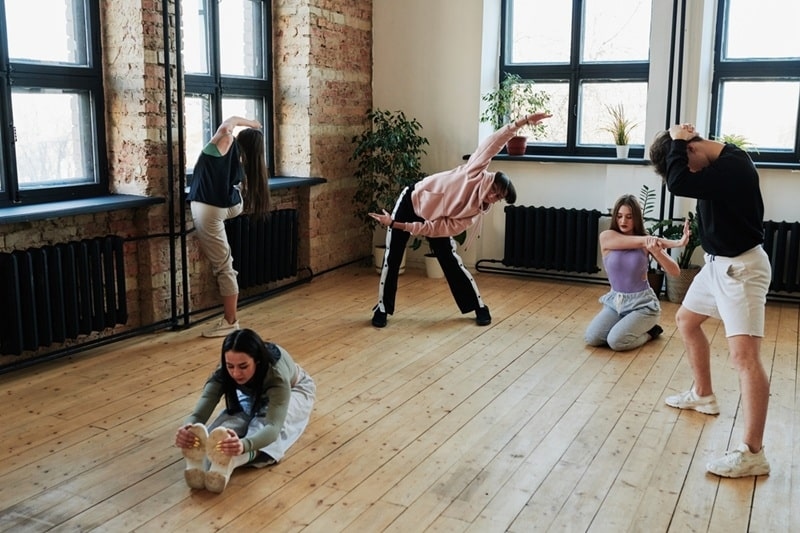
Recovery stretches help to extend and restore muscle length after doing repetitive movements.
For Lower Body:
For Upper Body:
Each stretch should be sustained for 20-30 seconds to facilitate comprehensive muscle recovery.
Many dancers do not realize the vital importance of cooldown dance movements for their longevity as dancers. Gradually slowing down allows the dancer's body to realign the joint and movement patterns.
Cooldown Dance Movement is an excellent addition to your cooldown routine as it:
After weeks of following a properly executed recovery routine, dancers typically experience improved transitions, better balance, and increased control.
After dancing, taking care of the body does not consist only of stretching; there are many habits dancers should establish to help them recover from the dance floor. A complete post-dance care routine includes specific habits related to recovery.
Dancer's best practices for post-dance care include the following:
Dancers can establish sustainable recovery routines that will keep their bodies healthy and active during training seasons by combining post-dance care with recovery stretches.
A cool-down dance routine should be performed after every class, rehearsal, or performance, with no exceptions. Consistency matters more than duration.
Even a short routine that includes cooldown movement, recovery stretches, and muscle relaxation can dramatically improve post-dance care results. Dancers who make cooldowns a habit recover faster and train smarter.
Many dancers, despite having positive intentions, fail to execute their cool-down properly. Therefore, it is essential to avoid several mistakes, including:
A mindful recovery routine means focusing on the quality of the routine, rather than how quickly it can be completed.
A properly performed dance cool-down will lower your chance of injury significantly. Muscles that are tight or restricted (muscle "Tightness") and joints that have been limited and overstretched will more likely become strained and torn.
Tissue Elasticity is maintained via Recovery Stretching; therefore, as your Muscle Relaxation is attained, excessive tension is relieved as well. So muscle relaxation and Recovery Stretching worked together to support Healthy Biomechanics, thus promoting long-term Joint Health with the Duty of Post-Dance Care.
Every dancer is a unique expression of the body. The cool-down routine should align with the dancer's style, the intensity of their dancing, and their physical needs.
To develop an individualized recovery routine, dancers should:
By customizing their post-dance recovery programme, dancers can achieve better recovery outcomes and more consistent performance levels.
Dance Cool-down Routines should not be seen as optional, but rather as very important for dancer health. Dancer health encompasses a variety of disciplines, including muscle recovery through stretching and relaxation, and proper post-dance care.
When used consistently over time, a structured recovery will significantly enhance the dancer's flexibility, reduce injury risk, and improve their ability to perform simultaneously.
Be sure to give your dance cool-down routine the utmost care and consideration to provide your body with many years of strength, longevity, and freedom of movement during all your performances.
A cool-down dance routine can help relax muscles, decrease soreness, increase circulation, and aid in recovery and injury prevention for dancers.
A cool-down dance routine should take approximately 10–15 minutes to complete. The routine should consist of a movement to cool down the body, stretching the muscles you just worked, diaphragmatic breathing, and muscle relaxation to ensure a complete recovery from dancing.
Recovery stretches differ from warm-ups in that recovery stretches focus on creating length and relaxation in muscles after physical activity. In contrast, a warm-up prepares the muscles for physical activity. Both are essential components of an effective recovery program.
Yes, they can. Recovery stretches used in a dance cool-down routine are incredibly beneficial for beginning dancers, as they help prevent soreness after their first dance class and allow their bodies to adapt to the physical demands of dance.
Yes. A post-dance care program should also include rehydrating the body, maintaining body suppleness through gentle movements, resting, and promoting muscle relaxation associated with your dance cool-down routine to support your overall recovery fully.
This content was created by AI