

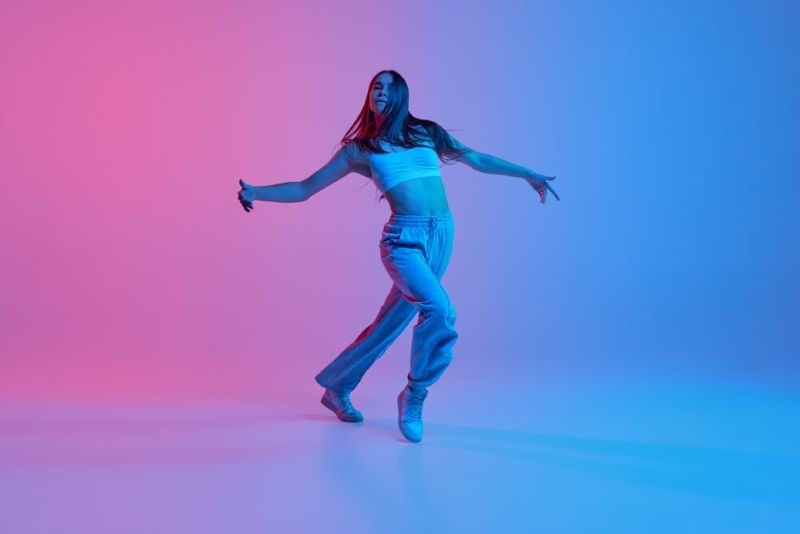
Taking your first dance class as an adult might seem daunting, but it can feel exciting, intimidating, and emotionally charged. Many adult beginners worry that they’re "too old to dance," but the reality is that beginner dance lessons for adults are booming, and people are taking them in larger numbers than ever before. According to the National Endowment for the Arts, adult participation in recreational dance classes has risen steadily over the past 10 years as adults have come to understand dance as both a fitness activity and a stress reliever.
Whether you're trying dance for improved coordination, to stay in shape, to meet new people, or just to learn simple dance moves to impress your friends at the next party, there is a dance for you. You can choose anything from lively hip-hop routines to elegant ballroom steps, as adult beginner dance lessons provide a safe and encouraging way to learn them.
In this guide, we will discuss the most suitable dance styles for adult beginners, the learning process, how to enhance your dance training tips, and how to pick the right class for your needs and abilities.
For years, the general thought was that you needed professional instruction in a studio, a dedicated competitive program, or a history of performing in ballet or tap to enjoy a dance class as an adult. Now, however, people attend adult beginner dance classes to improve fitness, emotional well-being, and creativity, as well as for the social aspect of the class.
One of the main advantages of dancing for adults is the physical benefits gained from training. Based on studies published in Harvard Health, an hour of dancing could burn anywhere from 200 to 400 calories, depending on your skill level and intensity. Dancing is proven to improve posture, balance, memory, and flexibility, while decreasing blood pressure.
The best thing about dance classes for adults is that they don't feel like a normal workout. While most workouts can feel monotonous on treadmills and weight machines, dance works your body while keeping you engaged through rhythm, movement, and musical expression.
Another key factor of increasing popularity is accessibility, with studios now offering a variety of dance lessons for all ages and levels.
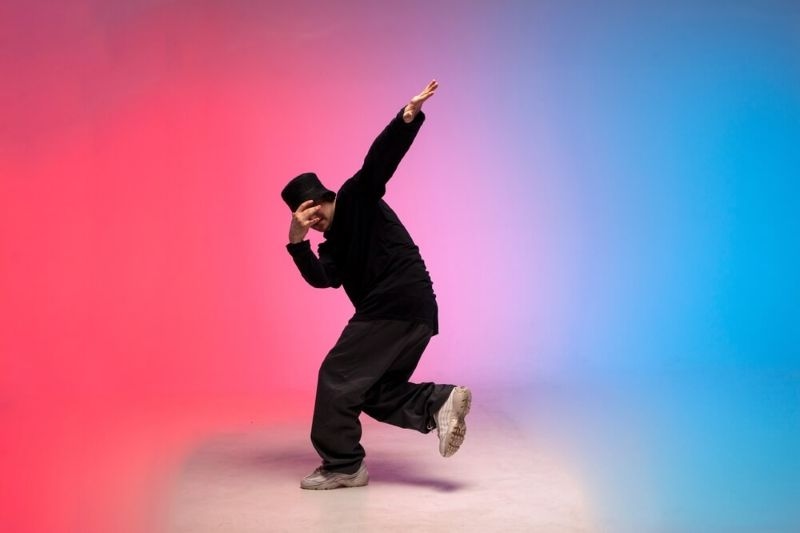
The biggest concern for adults trying a new dance is, "Which style is best for me?". There are numerous popular dance styles for adults, but here are a few you may want to try:
Hip-hop dance is an energetic and very beginner-friendly class that works to enhance creativity, freestyle movement, and rhythm.
This class is ideal for adults who want to combine cardiovascular exercise with fun routines while boosting their confidence. Beginners may learn hip-hop with simple steps before working up to the full dances.
This dance is the perfect match if you enjoy up-tempo music and a no-pressure learning environment.
The styles of ballroom dancing include waltz, foxtrot, and tango, among others. Partner dancing, such as ballroom dancing, can be a great way to connect with a loved one or even learn teamwork and coordination skills with others in class.
Ballroom dancing is best if you want to improve coordination, posture, and social awareness, and if you prefer structure in your dancing. It is one of the ideal forms of adult dance lessons for beginners, thanks to its more leisurely, structured approach to teaching.
The upbeat music and fast, fun movements of salsa dancing can add spice to any adult’s life, but it is important to find a beginner-friendly class to make the transition smooth. Beginner classes often focus on rhythm and basic steps rather than difficult moves.
Salsa dance is immensely popular globally, and for good reason—you get exercise along with socialization. Many cities have weekly beginner-friendly salsa nights that are the perfect opportunity to try out new moves in a fun setting.
Contemporary dance is a broad genre that incorporates storytelling, expressive, and fluid movement in a highly personalized way. The focus here is on personal expression over perfection.
Classes often require a different kind of learning, where you are taught to combine movement with feeling and to improve overall body awareness and flexibility, rather than rigid or standard choreography.
Ballet has boomed in popularity among adults, and for good reason: the precise and elegant movements improve flexibility, core strength, and posture.
Ballet may not seem like an obvious adult beginner dance style, but classes have opened up at studios everywhere for those who want to benefit from this popular sport and art form.
You may feel silly or awkward during the first ten minutes of your class, but that is completely normal!
Almost every beginner dance class begins with a warm-up to stretch your muscles. You'll typically learn dance basics, timing, posture, and other foundational aspects of movement during this time before your instructor teaches you actual dance choreography.
You will not be expected to perform a full deposit on your first day, and many teachers focus on breaking the routine down into easy dance moves and steps.
For attire, you should opt for breathable clothing and comfortable footwear suitable for the type of dance you are trying.
Above all, you should expect to make mistakes. This is part of the sequence of lessons on learning to dance.
Speedier improvements come from consistent practice.
For adults hoping to progress quickly in dance, it's imperative to focus on the smaller things they can incorporate into their lives outside of class. Consistent dance practice, even for just 15 minutes a day, can improve muscle memory.
Watching tutorial videos to practice a specific movement in your class will also help improve complex or intricate moves. Some adults even record themselves practicing dance moves as an additional form of feedback.
Rhythm is the base of dance, so listening intently to music and practicing dancing along can only improve the way you move. Cross-training, such as Yoga or Pilates, helps adults to not only be more flexible but also increases stamina and prevents injury.
Online dance classes have seen a rapid surge in popularity ever since 2020, with options that range from live, interactive sessions to pre-recorded tutorials you can watch anytime, anywhere.
Shy students often find it easier to start in the privacy of their own homes than to attend an in-person class. It also means you can practice your favorite dance routine or new steps multiple times without the hassle of finding space.
That said, nothing compares to receiving individual feedback and correction from a dance instructor in person. A balanced approach often works best—you can supplement in-person classes with practice videos, especially from fun platforms that allow you to create personalized dance mixes, such as gptmusicdj.com.
Many adults can be overzealous, and it is crucial to acknowledge the fact that every dancer starts at the beginning. You may try to advance too quickly or compare yourself to more experienced members of the class; avoid this if you can, and focus on progress rather than perfection.
Forgetting to focus on the music itself will hold back even the most coordinated dancer. Dance moves come from a rhythmic connection to the music, so try to listen to the beat!
Skipping warm-ups before your dance lessons can potentially lead to injury. Dance-specific warm-ups and stretches will get your muscles ready and improve flexibility, increasing your range of motion.
Finally, like many new things, adults tend to give up too quickly. Your muscle memory takes time to develop, and it may take weeks before dancing moves become intuitive.
The "best" dance class for you depends on a few things. First, consider which dance best suits your personality and whether you want to work on coordination, balance, or strength or simply have fun.
If you like the idea of cardio and energetic movements, then hip-hop or salsa may be ideal. If you prefer a more graceful, structured style, then ballet or ballroom would be a good place to start.
Taking on a new hobby, like dance, as an adult can seem incredibly challenging, but in reality, it is rewarding and very achievable. More than just steps and choreography, adult beginner dance classes enhance your mind and body, boosting fitness, confidence, coordination, creativity, and well-being. No matter which style you try, from ballet to hip-hop to ballroom to salsa, keep practicing and keep in mind that the journey to becoming a great dancer is just that-a journey. Don't be discouraged by imperfection or slow progress; if you are learning dance basics for the joy of it, progress will eventually follow. It is often even helped along with the right music that can bring the most from a practice session, something tools like gptmusicdj.com can assist you with in planning. Ultimately, the most crucial step to successfully taking up dance as an adult is signing up!
Definitely. Beginners' classes for adults are for total beginners, and the instructor would emphasize getting the basics right: body movements, rhythm awareness, and relatively basic step sequences. They usually progress much faster than you might think due to their level of understanding instructions and greater discipline in practicing.
For most beginners, it usually takes between 4 and 8 weeks to feel comfortable dancing. Confidence grows from muscle memory through constant practice, a better understanding of rhythm, and a sense of the music's timing. Dance lessons twice a week and practicing basic dance moves at home greatly speed up the whole process.
Comfortable clothing that lets you move easily is your best bet. The general attire would normally include trainers, tracksuit bottoms or joggers, or a casual t-shirt. The type of shoes would be dependent on the type of dance you were learning. Trainers would be ideal for hip-hop; however, Ballroom or Salsa could require flat-soled shoes for good turns.
This content was created by AI