

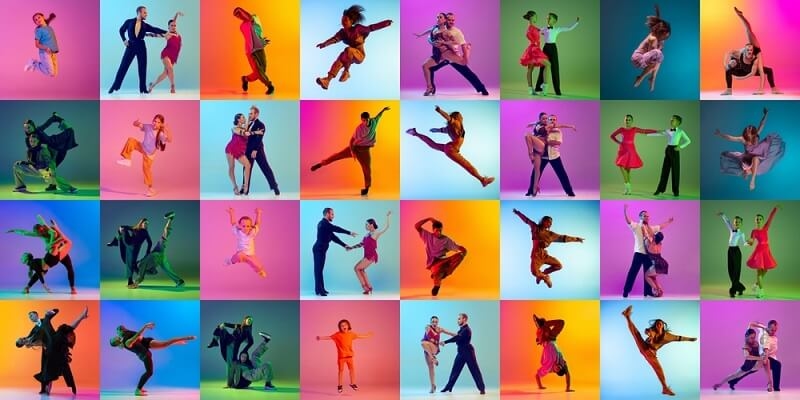
Types of dance styles can feel confusing at first. There are many names, many moves, and many moods. Here's the thing: dance is not meant to confuse anyone. Dance style categories exist to facilitate learning and understanding. Popular dance styles, common dance forms, and dance genres can be categorized into simple groups. This beginner styles overview helps break it down in a way that feels human and clear, not heavy or strict.
Dance has been part of culture for thousands of years. Some styles came from tradition. Some came from social fun. Others came from street life or stage shows. What this really means is every dance has a reason and a story. Understanding the various types of dance styles helps you choose the one that best suits your goals, body comfort, and interests.
Types of dance styles are grouped based on movement, music, and purpose. Dance genres help explain the origins of a style and its applications. Some are formal, while others are informal. Dance style categories make learning more organized and structured.
The main reasons dance styles are grouped
This beginner's style overview provides clear explanations without using complex terminology. Dance should feel open, not locked behind rules.
Classical styles are among the oldest and most common dance forms. These dances often follow strict rules and long training. They focus on posture, balance, and storytelling. Dance genres in this group usually come from deep cultural roots.
Common classical dance styles include
These common dance forms often appear in theaters and cultural events. Beginners may find them challenging, but they lay a strong foundation. Dance style categories like classical teach discipline and patience.
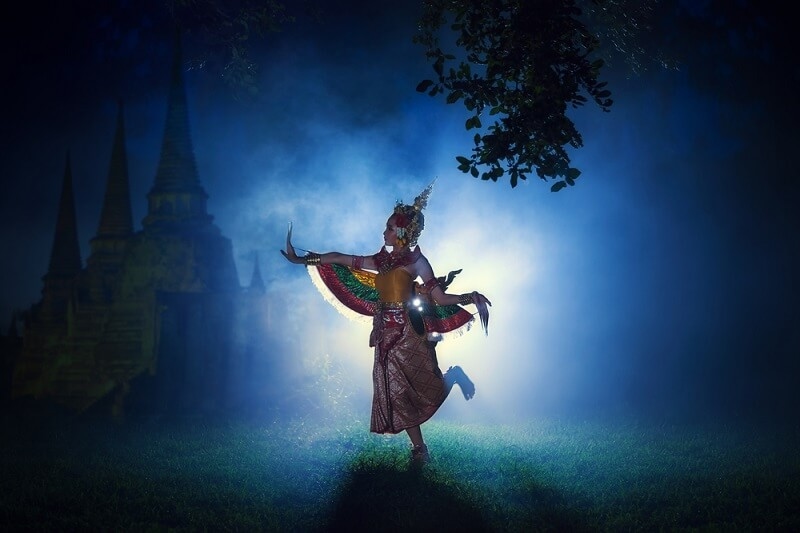
Folk dances come from daily life and celebrations. These types of dance styles reflect community traditions and local stories. Movements are usually joyful and straightforward. Music often uses traditional instruments.
Examples of folk and cultural styles
These popular dance styles are often performed in groups. Folk dances are traditional dance forms that have been passed down through generations. For a beginner's styles overview, folk dance is friendly and social.
Street styles grew outside studios. These types of dance styles came from neighborhoods, not schools. Dance genres in this group focus on freestyle, rhythm, and personal expression.
Popular street dance styles include
These popular dance styles are strongly connected to music beats. Dance style categories like street dance allow freedom. Beginners enjoy these because the rules are flexible and fun stays high.
Social dances are meant for connection. These common dance forms are typically performed at parties, weddings, and other gatherings. Types of dance styles in this group focus on partner work and rhythm.
Examples of social dance styles
Social dance genres are easy to enjoy without perfect skill. This beginner's style overview suggests social dances to build confidence. Dance style categories here focus more on timing than tricks.
Contemporary styles mix old and new ideas. These types of dance styles allow emotion and creativity. Dance genres in this group are often used in stage performances and storytelling.
Well-known contemporary styles include
These popular dance styles encourage self-expression. Common dance forms in this group are subject to frequent change. Beginners may enjoy them for freedom, though guidance helps avoid injury.
Some dance styles are primarily created for performance in shows and media. These types of dance styles are often featured in movies, concerts, and stage events. Dance genres here focus on visuals and energy.
Examples include
These popular dance styles require practice and control. Dance style categories, such as commercial dance, often incorporate multiple techniques. A beginner's style overview suggests starting slow with the basics.
Dance is also used for health. These types of dance styles mix exercise with music. Common dance forms here emphasize movement over performance.
Fitness dance styles include
These popular dance styles are suitable for all ages. Dance genres focused on fitness help build stamina and coordination. Beginners enjoy these because the pressure stays low.
Choosing between different dance styles depends on personal comfort and interest. Dance style categories help narrow choices. Here's what helps decide.
Things to consider
A beginner's styles overview recommends trying a few classes. Common dance forms feel different for each person. Dance genres should feel exciting, not stressful.
Dance style categories are not meant to limit. They guide learning paths. Types of dance styles grouped well help avoid confusion. Beginners feel more confident when the steps make sense.
Popular dance styles appeal to people for various reasons. Some want fun. Some want skill. Others want fitness. Common dance forms support all these goals. Dance genres organize the journey.
Dance never stays still. Types of dance styles change as music changes. New dance genres appear while old ones adapt. This growth keeps dance alive and fresh.
Popular dance styles today often blend categories. Street meets stage. Folk meets modern. Common dance forms continue to inspire new ideas. A beginner's styles overview today looks different than years ago, and that's okay.
Types of dance styles help make sense of movement and culture; dance style categories provide beginners with clarity and understanding. Popular dance styles and common dance forms offer choices for every interest. Dance genres grow and change, but the joy of movement always stays. Dance remains open, expressive, and welcoming.
The primary types of dance styles encompass classical, folk, street, social, contemporary, fitness, and performance-based genres.
A beginner's styles overview often suggests social dances, fitness dance, or folk styles because the steps are simple and welcoming.
Dance style categories help organize learning and make it easier to choose based on interest, skill level, and comfort.
Popular dance styles vary. Some are easy to start, while others need practice, but all can be learned with time and patience.
This content was created by AI