

Dance has always thrived on exchange. When people move from place to place, their ways of moving—old steps, new rhythms—blend together almost without thinking. These styles don’t really belong to just one place or tradition. Instead, they show who we are, what’s shaped us, and that urge everyone feels to try something fresh.
This blog delves into popular and emerging fusion approaches that are revolutionizing the creative aspect of dance.
These days, modern dancers don’t stick to just one style. They’re free to experiment, mix things up, and put their own spin on movement. Fusion dance styles give them a way to pull from all sorts of influences and still hang onto what makes them unique.
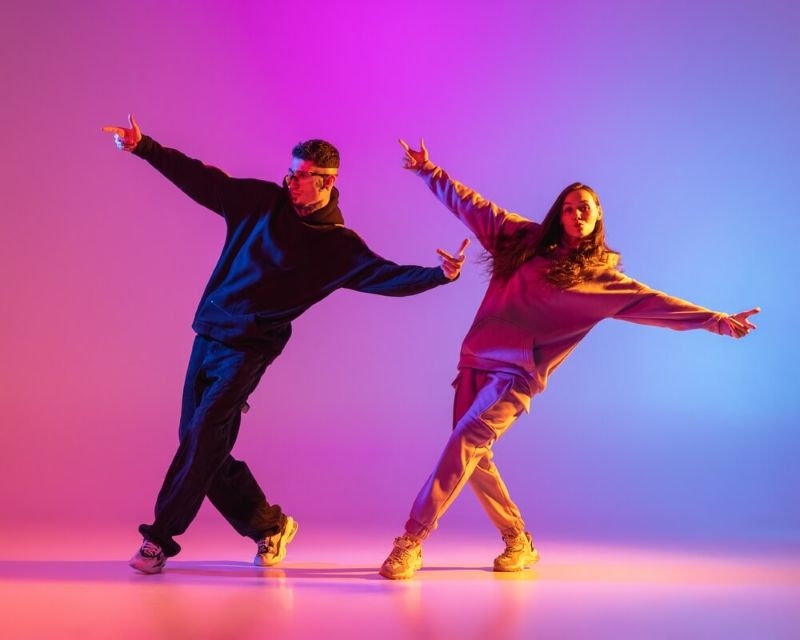
One of the most popular mash-ups out there blends hip-hop with contemporary dance. Hip-hop brings the rhythm, groove, and grounded energy. Contemporary adds emotional depth, smooth transitions, and a whole lot of creative use of space.
When you mix the two, dancers can jump from sharp, precise moves to softer, flowing sequences without missing a beat. You see this style everywhere—on stage, in competitions, and in performances that have a story to tell. Out of all the hybrid styles, this one really stands out because it balances technical skill with real storytelling.
Classical dance is about having a good structure and posture, and being disciplined. Street dance styles are different. They are about being yourself, having a rhythm, and dancing freely.
When you combine dance and street dance styles, you get something really bold that is hard to ignore. You get dance and street dance styles mixed together, which is really cool.
Fusion like this pushes back against the old rule that tradition can’t change. Picture ballet lines meeting popping or locking—suddenly, you’ve got visuals you never expected. This isn’t just a trend; it’s part of a bigger cultural movement where dancers put a modern spin on classic training.
Jazz dance moves with the times. It’s always changed alongside popular music, so it knows how to adapt. Bring funk into the mix—big shapes, playful grooves, sharp rhythms—and things get electric.
Together, jazz and funk make a lively fusion you’ll spot in commercials, stage acts, and show choreography. Out of all the experimental styles, jazz-funk stands out because it’s easy to get into and just fun to watch.
This style puts personality and confidence front and center, and every step reflects the music, even when the choreography is tightly planned.
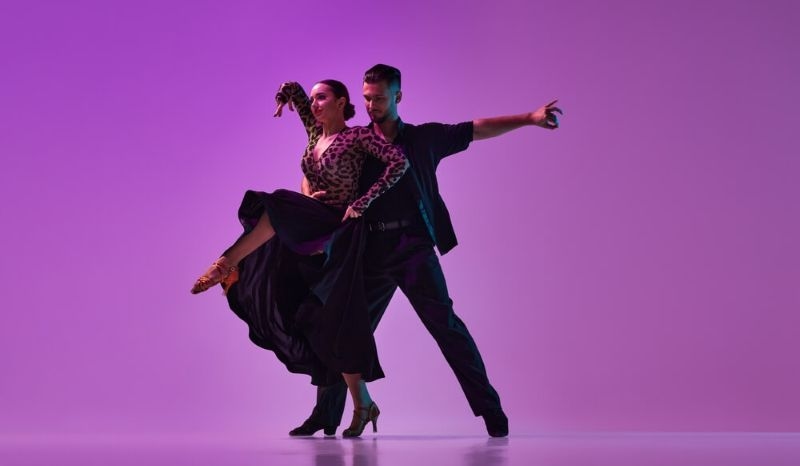
Latin dance hits hard—quick steps, pulsing beats, raw emotion. Contemporary dance turns up with its own vibe: abstract moves, rolling on the floor, stories that dig a little deeper.
Put them together, and you end up with something fierce but reflective. Dancers keep that spark from Latin but break out, trying new and modern moves. It just works in today’s dance scene—roots still showing, but the field’s wide open.
This style really connects. You feel the longing, the push and pull, the sense that things are always shifting.
Bollywood dance has always borrowed from everywhere—classical, folk, and global styles. Throw in hip-hop, and you boost the groove and add a modern edge.
You’ll see this combo everywhere: competitions, stage shows, and online. It’s a lively mix that merges storytelling with urban beats, connecting people from all over.
Dancers here go big on gestures, hit musical accents, and nail group routines. The result? It’s a crowd-pleaser and a technical challenge rolled into one.
Traditional African dance runs on rhythm, grounded moves, and community spirit. Add in modern dance, and suddenly there’s more room to play—with space, with emotion.
Modern technique lets dancers get a little abstract, but the heartbeat of rhythm stays front and center. In the world of experimental styles, this fusion really shows off how the body responds to rhythm, not just the beat.
It’s a perfect example of fusion dance respecting its roots, even as it finds a place on new and different stages.
Jazz and hip-hop really feed off each other. Jazz brings sharp lines, polish, and that classic stage presence. Hip-hop jumps in with groove, bounce, and a whole lot of personality.
You see this mix of dance styles everywhere. Dance studios are teaching it, and competitions really love it. Dancers get to sharpen their dance technique. They do not lose what makes them special and unique as a dancer.
Choreographers are using this mix of dance steps to blend tight moves with a dose of freestyle dance.
Martial arts shake things up with control, strength, and purpose. Pair that with contemporary dance, and suddenly you’ve got movement that’s both intense and focused.
This style is all about breath, balance, and moving with intention. Out of all the fusion genres, this one really pops because of its discipline and drama. Movements hit hard but stay expressive.
Choreographers tap into it to dig into themes like conflict, resilience, or mastering yourself—definitely a bold direction in modern fusion dance.
Folk dance keeps old stories alive—those gestures and rhythms that travel down through families and time. Urban styles bring grit and a modern twist.
Put them together, and you get something that feels grounded but fresh. It’s a big deal for younger dancers who want to connect with their roots in new ways.
Traditional steps get reworked for today’s music and stages, proving that creative fusion keeps culture alive and real, not stuck in the past.
Some dancers just toss out the rules. They improvise, grabbing moves from anywhere they can, and let the music and their feelings take over.
It’s really about digging in and being honest with yourself. Every performance looks different—what happens depends on what the dancer feels right then and there.
This kind of freedom pushes dancers to discover their own style, turning each dance into something personal that you just can’t copy.
Fusion dance is a mirror to the contemporary creative world, which operates beyond geographical and disciplinary boundaries. It enables dancers to communicate their complex identities, which are influenced by culture, media, and personal experiences.
Fusion, by mixing different techniques, does not restrict the dancers but rather promotes the spirit of openness.
Fusion dance styles have risen to prominence as a direct reflection of the inventive freedom inherent in modern dance. With dancers taking their cues from a wide array of different traditions, fusion is simply a logical outcome in a world that is so interconnected.
It is a way for movement to continue its evolution without the need to discard its origins. By mixing forms, techniques, and cultures, dancers are not only reshaping the way creativity finds its outlet through movement but also the very language of dance itself.
Fusion dance styles merge the key elements of two or more dance forms to create a new, hybrid choreography approach that embodies the influence.
Certainly, many beginners find mixed dance genres appealing as they are more focused on exploring than strictly following one technique.
That way, dancers can both preserve the heritage and take it to the modern-day audiences, thus ensuring that cultural expression not only survives but remains relevant.
By opening up to experimentation, the choreographers get a ticket of creative freedom where, among other attributes, innovation, individuality, and flexibility naturally result.
This content was created by AI