

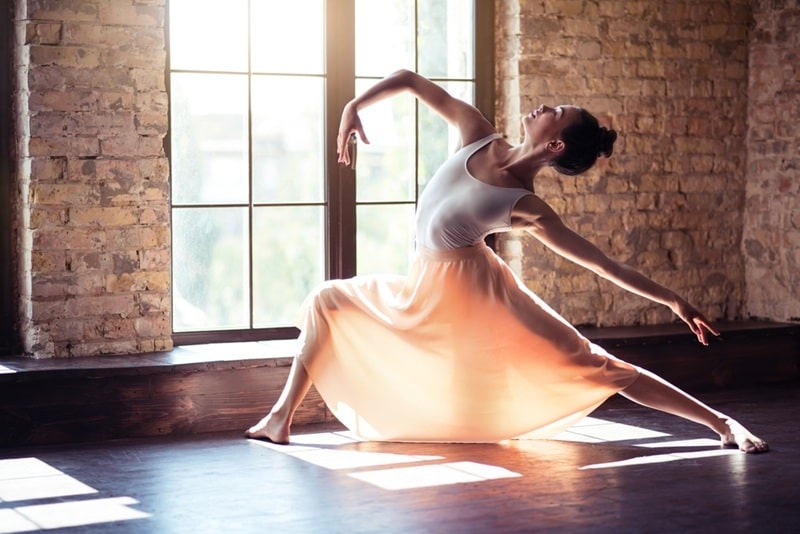
Not every dancer wants a partner. Not every dancer wants a team. Sometimes the best work happens when no one is counting on anyone else, and the dancer gets to move exactly how they want. No syncing. No formations. No “wait, which side are we facing?”
Solo dance has a different kind of thrill. It is private and loud at the same time. Private because the dancer is listening inward. Loud because every choice shows. There is nowhere to hide behind a group moment. The dancer is the whole picture.
That is why solo dance styles attract independent dancers. They allow full control of timing, energy, and personality. They also build confidence fast, because the dancer learns to trust their own choices instead of relying on someone else’s lead.
This blog breaks down popular solo styles, what makes each one unique, and how independent dancers can build skill and identity without feeling stuck.
Solo dancing forces clarity. The audience has one place to look, so every detail matters: posture, intention, rhythm, expression, transitions. Even small moves carry weight. But solo dance also gives more freedom. There is no need to match someone’s timing exactly. A dancer can pause longer. Hit an accent harder. Change direction mid-phrase. That freedom is where style is born.
Solo dance is also a powerful form of self expression dance. Many dancers use it to process emotions, tell stories, or simply release stress. It is not always about performance. Sometimes it is about honesty. The best part is that solo dance can grow with the dancer. It works for beginners learning basic grooves and for advanced dancers building signature choreography.
Freestyle is not one style, but it supports almost all solo styles. It trains a dancer to respond to music in real time, which builds confidence and musicality.
In freestyle solo movement, the dancer learns to:
Freestyle can look simple and still be powerful. A dancer does not need flashy tricks. They need intention. A groove that feels real. Timing that makes sense. A good way to start is to pick a song and limit the focus. For example, one round where the dancer only uses upper-body movement. One round where they only travel. One round where they only play with pauses. Constraints teach creativity.
Street styles are often solo-friendly because they grew from social circles and battles, where individual presence matters.
Popping
Popping uses hits, control, and illusion-based movement. It is perfect for solo dancers who love detail, precision, and musical accents.
Locking
Locking is bold and energetic, with clear shapes and personality. It is playful and expressive, which makes it fun for independent dancers building stage confidence.
Breaking
Breaking can be solo or crew-based, but solo breakers often develop strong identity through footwork, freezes, and power. It demands strength and skill, but even basic breaking foundations build serious confidence.
House
House dance is rhythm heavy, fast, and footwork driven. It is great for dancers who want freedom and endurance, plus a deep connection to music.
Krump
Krump is emotional and intense. It is one of the clearest examples of dance as release. It demands commitment and honesty, not just technique.
These styles are strong examples of individual dance forms because they reward personal flavor. Two dancers can do the same basic move and look completely different. That is the point.
Some solo dancers want clean lines and stage presence. Jazz and heels choreography are often good matches.
Jazz
Jazz blends rhythm, technique, and performance. It often includes sharp arms, turns, and expressive musicality. It is also a great base for commercial dance work.
Heels
Heels dance focuses on control, confidence, and fluid transitions. It trains posture, balance, and strong lines. It also builds performance presence quickly because it demands full-body commitment.
These styles work well for dancers who want to feel polished, powerful, and camera-ready. They are also great for building personal choreography that looks intentional and structured.
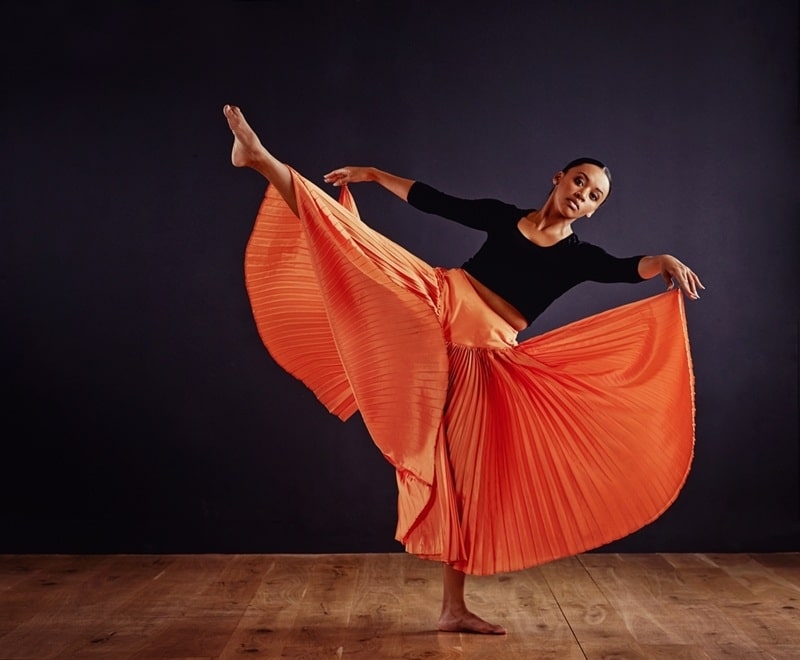
Not every dancer wants punchy moves and high energy. Some dancers want meaning. Contemporary and lyrical styles give solo dancers that space.
Contemporary
Contemporary focuses on flow, breath, shapes, and emotional tone. It often uses floorwork and dynamic changes, like stillness to explosion.
Lyrical
Lyrical emphasizes musical interpretation and storytelling. It is often softer than contemporary, but still technical when done well.
These styles connect strongly to self expression dance because they invite interpretation. They allow a dancer to communicate without forcing a specific “look.”
A tip for solo contemporary dancers: choose movement that feels honest to the body. Not everything needs to be big. A small gesture can be more powerful than a dramatic leap if the intention is clear.
Many dance traditions include solo forms, and exploring them can build musicality and identity.
Examples include:
Even if a dancer does not fully train in these traditions, learning respectfully can expand rhythm and movement vocabulary. It also reminds dancers that “solo” does not mean isolated. It can still connect to culture and history.
A dancer’s style is not something they “find” overnight. It is something they build through repetition and choices.
A simple approach:
Style comes from consistency. If a dancer keeps choosing the same textures, rhythms, and shapes, that becomes their signature. Then they can sharpen it intentionally.
This is where solo practice matters. Practicing alone gives dancers time to explore without pressure. It is where identity grows.
Creating choreography can feel intimidating for independent dancers. They worry it will look “random” or “not professional.” The fix is structure.
A simple structure for personal choreography:
This creates a clear arc without needing complex steps. It also helps a dancer avoid doing nonstop moves without meaning.
A dancer can also choreograph around a concept:
Concepts keep choreography focused and readable.
Independent dancers improve faster when they train intentionally. Here are practical habits:
Also, dancers should not wait to feel “ready” before sharing. Performing, even casually, is part of training. Confidence grows through doing.
Solo dance is not a backup plan. It is a powerful lane of its own. It builds independence, musicality, and identity. It also gives dancers freedom to move without apology. The best solo dance styles are the ones that match the dancer’s personality and goals. Some dancers thrive in street styles and freestyle.
Others lean into jazz, heels, or contemporary. There is no single correct path. What matters is consistent training, honest exploration, and the willingness to keep showing up in the studio, living room, or wherever the dancer has space.
Styles with strong foundations like basic hip hop grooves, jazz fundamentals, or beginner contemporary are often good starts. Freestyle practice also helps beginners build confidence.
They can practice regularly with different music tempos, use simple constraints, and film sessions to notice habits. Learning foundations from different styles also expands movement options.
Most dancers improve with three to five focused sessions per week, even if sessions are short. Consistency matters more than long workouts, especially for building personal style.
This content was created by AI