

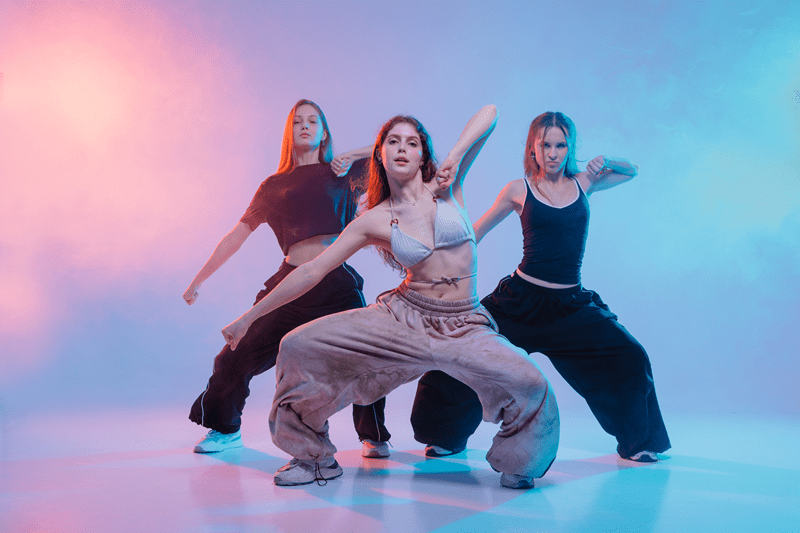
The way people interpret gestures and body movements has been influenced by modern dance styles, both on and off stage. The critical aspect of these styles is that rules or predefined shapes do not constrict them; instead, they are created from the feelings and emotions of the dancer, their space, and the dancer's options. Modern dance styles typically express themselves through creativity rather than perfection, and there are many instances throughout the development of contemporary dance that showcase experimental movement as well as free-flowing dances, illustrating how the body can convey meaning without using spoken language.
Modern dance styles are crucial in providing dancers with a means to express themselves through movement. Instead of focusing primarily on how perfectly aligned they are to the mirror, the focus is always on meaning. It is through this shift in focus that modern dance has evolved into a more personal means for individuals to express themselves.
Modern dance styles began as a response to strict classical systems. Dancers wanted freedom. They wanted breath, weight, and natural motion. What this really means is that movement started to reflect real life instead of fantasy poses.
These styles value
Modern choreography often evolves in response to the dancer, rather than the other way around. Expressive dance forms enable performers to convey emotions such as joy, tension, sadness, or calmness without relying on spoken language. Experimental movement becomes a tool, not a risk.
Modern dance styles emerged when dancers challenged traditional practices. Early pioneers rejected tight costumes and stiff steps. They used bare feet and loose clothing to feel the floor.
This shift allowed
Modern choreography during this time focused on the whole body. The spine, arms, and breath worked together. Expressive dance forms started telling stories that felt close to daily life.
Modern dance styles share standard features, even though no two pieces look the same. These elements help define the form.
Core elements include
Creative movement allows dancers to shift between control and release. Experimental movement invites risk and surprise. Modern choreography often evolves during rehearsals, rather than being finalized from the start.
Expressive dance forms sit at the heart of modern dance styles. Movement becomes a language. The body speaks what words cannot carry.
These forms focus on
Expressive dance forms help audiences feel a sense of connection and engagement. A simple step can hold deep meaning. Free-flow dance supports this by letting motion breathe and expand naturally.
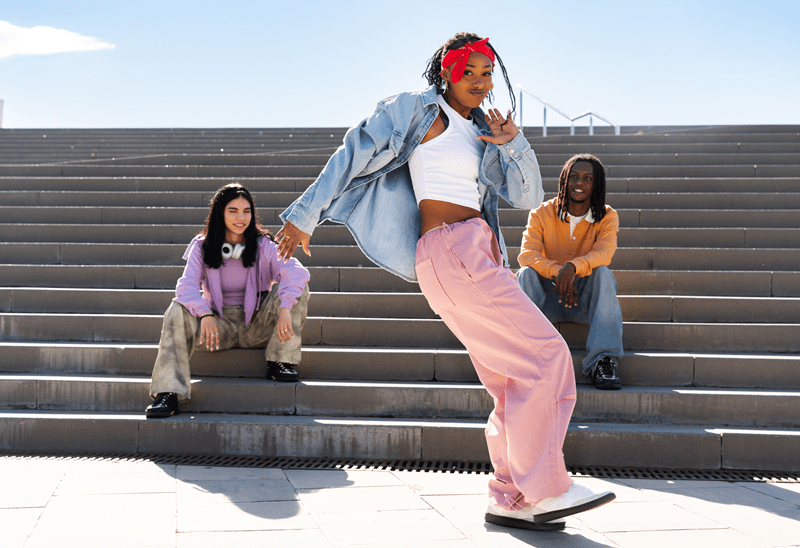
Experimental movement plays a significant role in modern dance styles. Dancers test limits and question habits. This movement is not about mistakes; it’s about curiosity.
Experimental movement allows
Modern choreography frequently employs experimental movement to propel stories forward. Dancers may intentionally repeat gestures or break rhythm. Free-flow dance blends into these moments, keeping motion alive.
Creative movement is the engine behind modern dance styles. Choreographers guide dancers, but space remains open. Dancers contribute ideas through motion.
Creative movement encourages
Modern choreography becomes a shared process. Expressive dance forms become richer when dancers feel a sense of ownership and connection. Experimental movement helps break habits and spark new paths.
Free-flow dance is a key feature of modern dance styles. Movement follows breath, not counts alone. This creates a softer and more human rhythm.
Free-flow dance supports
This approach helps reduce tension. Expressive dance forms can make us feel calmer and more connected. Modern choreography often begins with free-flow dance to warm the body and mind.
Modern dance styles are widely taught in schools and studios. Training focuses on awareness rather than imitation. Students learn how movement feels, not just how it looks.
Training often includes
Expressive dance forms help students build confidence and self-esteem. Free-flow dance allows beginners to move without fear. Modern choreography lessons often include discussion and reflection.
Modern dance styles appear in theaters, films, and art spaces. These performances often explore themes such as identity, nature, or emotion.
On stage, modern choreography uses
Experimental movement keeps performances fresh. Creative movement helps each show feel unique. Free-flow dance creates moments that feel alive and unplanned.
The reason why modern dance styles still matter is that they continually evolve. They reflect the shifting beliefs, ideas, and sentiments of our current era. This gradual evolution gives them a continual place in society.
Key reasons modern dance styles remain relevant are
Expressive choreography offers individuals the opportunity to express their emotions and work through them through movement. Free-flowing dance represents a connection between mental and physical well-being. In many ways, today’s modern choreographers remain open to new sources of inspiration.
Modern dance styles welcome beginners. No perfect body type is needed. Curiosity matters more than skill.
Helpful starting tips
Free-flow dance helps beginners relax. Expressive dance forms grow with practice. Modern choreography becomes easier when pressure fades.
Modern dance styles offer freedom through creative movement and honest motion. Expressive dance forms, experimental movement, and free-flow dance shape modern choreography into something human and open. These styles continue to grow because they respect individuality, emotion, and change, keeping dance meaningful for both performers and audiences everywhere.
Comfort is key. Most people wear fitted dance pants, leggings, or shorts with a simple top that lets the teacher see their body’s alignment. You will almost always dance barefoot.
Not easier, just different. Ballet has particular, rigid positions. Modern dance also requires great strength and control, but it often allows for more freedom and individual interpretation in the movement itself.
Absolutely. Many studios offer beginner adult classes that focus on the fundamentals of grounding, breath, and simple movement phrases. It’s an excellent way to build strength, flexibility, and artistic expression.
Don’t worry about “getting” a story. Instead, watch the dancers’ use of energy, their relationship to each other and the space, and the feelings the movement evokes in you. Let the experience be visual and emotional.
This content was created by AI