

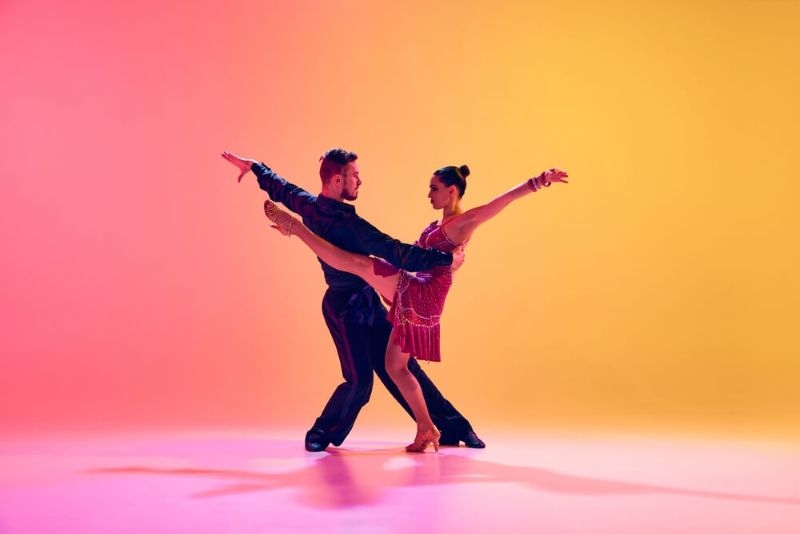
Walk into a social dance night anywhere in the US, and you’ll feel it before you see it. Music humming, shoes sliding, laughter cutting through the beat. Partner dance styles have a special way of turning strangers into temporary teammates. That’s the magic people chase week after week. This piece looks at the partner dance styles that truly shine on social dance floors, not because they’re flashy, but because they feel good. We’ll talk about couple dances built on trust, lead follow movement that feels like conversation, and why connection-based dance keeps people coming back. Along the way, we’ll touch on rhythm pairing, floor etiquette, and the subtle social skills dancers pick up without realizing it.
Social floors reward dancers who listen more than they show off. This first section focuses on partner dance styles that grow confidence through comfort, timing, and shared awareness. These are dances people stick with because they work almost anywhere.
Swing is everywhere in the US, from college gyms to polished ballrooms. Lindy Hop and East Coast Swing thrive because they’re playful and forgiving. Mess up a step? Laugh it off and keep moving.
The beauty here is a lead follow movement that feels conversational. The leader suggests. The follower responds. Sometimes roles even switch mid-song, especially in more relaxed scenes. Swing teaches rhythm pairing without pressure. You feel the beat in your body, not your head. Honestly, that’s why beginners fall in love so fast.
Salsa nights fill dance studios, bars, and community centers across the country. It’s social partner dancing with a pulse you can’t ignore. Spins, cross-body leads, and smooth transitions keep things lively without overwhelming newcomers.
What makes salsa shine is how connection-based dance sneaks in through the back door. Sure, it looks bold. But the real skill is staying relaxed while reading your partner’s timing. You know what? When that clicks, the room fades away. It’s just two people and the music.
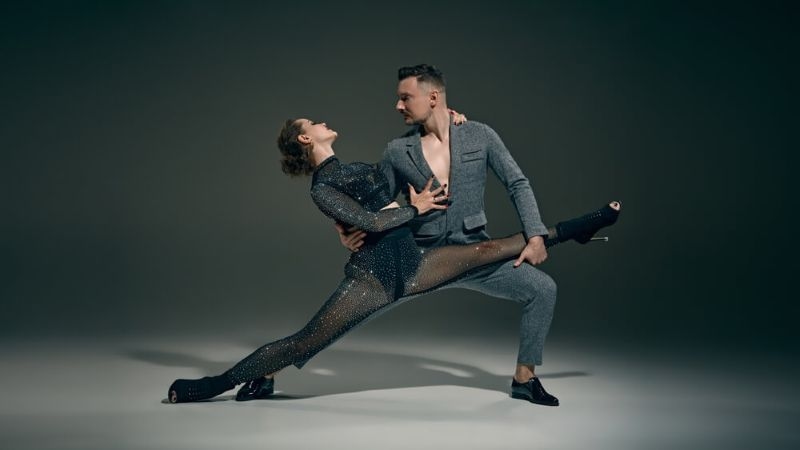
Bachata has exploded in popularity, especially in urban dance scenes. Compared to salsa, it feels closer to the ground. Smaller steps. Softer movements. A steady rhythm pairing that almost rocks you side to side.
This dance works well for couple dances because it emphasizes presence over speed. On crowded floors, that matters. Bachata teaches dancers how to share space respectfully while staying connected. It’s intimate without being awkward, which is a tricky balance and part of its charm.
Once dancers get comfortable, they start listening more deeply to music. This section highlights partner dance styles that shine when dancers play with timing, pauses, and musical accents.
West Coast Swing feels like jazz in sneaker form. Danced to blues, pop, and even R&B, it fits modern playlists easily. That’s why it thrives at mixed-genre social nights across the US.
This style thrives on elastic connection and clear lead follow movement. The follower often interprets the music freely, while the leader sets the framework. It’s a quiet lesson in trust. Give space. Stay aware. Let the music breathe. Sounds simple, right? It isn’t, but that’s why it’s addictive.
Argentine tango isn’t about big shapes or dramatic poses. It’s about walking together. Slowly. With intent. On social floors, tango rewards dancers who can stay present without rushing.
Connection-based dance reaches its purest form here. Subtle shifts in weight replace obvious signals. Rhythm pairing becomes emotional, not counted. Tango scenes in US cities often feel like little sanctuaries where time slows down, and that’s no accident.
Blues dancing doesn’t demand perfection. It invites personality. Dancing to slow blues, soul, or funk allows partners to settle into the music and respond naturally.
This style thrives in late-night social settings where lights dim, and conversations soften. Couple dances here feel less structured, more shared. The lead follows movement, stays clear, but expression takes center stage.
Let’s be real. Social dance floors get packed. Drinks spill. Elbows appear out of nowhere. The next group of partner dance styles shines because they adapt well to tight spaces.
Kizomba has found a strong following in US dance communities over the last decade. Its smooth, grounded movement makes it ideal for busy floors.
The dance relies on subtle lead follow movement through the torso rather than the arms. Rhythm pairing stays consistent, almost hypnotic. Dancers learn patience here. Big moves fade away. Awareness sharpens. It’s social partner dancing at its most controlled and calm.
Merengue might not look fancy, but it fills the floor for a reason. The step is easy. The rhythm is steady. Anyone can join in without fear.
This dance reminds people that couple dances don’t need complexity to be joyful. Merengue is often a social reset button. When energy dips or newcomers feel nervous, it brings everyone back together.
Hustle fits neatly into nightlife settings with pop and disco vibes. It’s compact, circular, and flexible. That makes it perfect for clubs and social events where space changes song by song.
Here’s the thing: people don’t always say out loud. Partner dance styles teach life skills. Communication. Awareness. Respect. This section focuses on dances that sharpen those qualities naturally.
Foxtrot, rumba, and cha-cha still hold their place at weddings, cruises, and community socials. These styles emphasize posture, clarity, and shared timing.
Country two-step thrives in dance halls across the US. Boots, hats, and big smiles set the tone. The dance itself flows around the floor with gentle turns and a steady rhythm pairing.
Partner dance styles shine on social dance floors because they’re human. They reward listening over showing off. They turn rhythm pairing into a shared experience and lead follow-up movement into conversation. Whether it’s swing, salsa, tango, or a quiet blues track at midnight, social partner dancing offers something rare. A moment of connection that feels real. That’s why people keep showing up, shoes in hand, ready to ask a stranger to dance.
They focus on connection, adaptability, and shared timing rather than performance. That makes them welcoming and flexible on busy floors.
No. Most social scenes encourage dancing with many partners, which builds confidence and social skills quickly.
Very important. Clear lead follow movement creates comfort and trust, especially when partners are new to each other.
Swing or merengue are great starting points. They use simple rhythm pairing and feel friendly from the first song.
This content was created by AI