

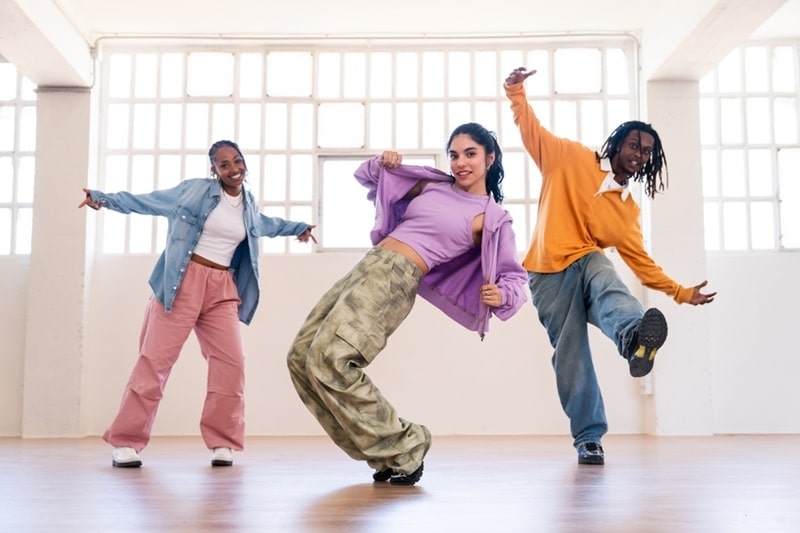
The cultural impacts of hip-hop dance have reached far beyond the dance floor; they have also influenced everything from the music we listen to and how we dress to how we view ourselves and one another. As these internationally recognized styles continue to evolve, they remain true to their community-based roots, with rhythm as a key element in shaping the culture of all things hip-hop today. If you’re interested in hip hop dance, but don’t know where to start, or already dancing freestyle hip hop but would like more information on how the various hip hop dance styles relate to each other, understanding the different styles, their origins, and how they have progressed over time will give you the confidence and knowledge to dance with purpose and authenticity.
Hip-hop dance styles are no longer merely a series of steps; they have evolved into a language of human expression through music, culture, and life experiences. This guide will introduce you to the foundational styles of hip hop dance (breaking, popping, locking, freestyle hip hop), as well as urban dance styles, street choreographies, and groove dances.
Hip hop dance styles emerged in urban neighborhoods in the 1970s as an outlet for youth to express their personal views, lifestyles, individuality, and creativity through dance movements. Hip-hop dance styles were based more on feeling the music and how the dancer wanted their own life to be expressed through that music than on the perfection of technique and form.
Dancers practicing hip-hop style dances have an additional connection to music through improvisational choreography and the use of the dancer's personality, incorporating it into their dance performance. This unique aspect of hip-hop dance enables each dancer to connect the rhythm of the music to an emotional experience, celebrating the diversity and creativity with which dancers express their own style through hip-hop and convey themselves through that music.
Today, hip-hop dance is incorporated into the choreography of mainstream dances, music videos, dance competitions, and dance education globally.
Hip-hop is a part of hip-hop culture. Hip-hop culture includes DJs, MCs, graffiti, and hip-hop dance. Hip-hop began on the street and in clubs, parks, and block parties when dancers would dance to the beat of the music and break.
Breaking, popping, and locking were the first styles of hip-hop dance and are the foundation of hip-hop dance. Each of these hip-hop dance styles was created separately, but all were developed for the same purpose: to use rhythm and groove as a means of self-expression. Freestyle hip-hop evolved as a bridge between the traditional foundations of hip-hop dance and the modern urban dance styles.
Breaking, popping, and locking are the three primary elements of classic-style hip-hop dance, each with unique features and overall movement styles, as well as representing distinct energies and cultural identities.
Breaking utilizes all forms of movement grounded in the ground, power, footwork, freezes, and floorwork. A strong emphasis on power, dance battles, strength, musicality, and battle characterizes breaking.
Popping employs contraction of muscles to rhythm, i.e., to make "pops" in time with the music. Popping is an element of overall control, visual illusion, and precision; therefore, it is one of the most visually spectacular types of urban dance.
Arm movements, pauses, and whimsicality are representative qualities of locking. Locking is all about personality and musicality, and therefore becomes widely utilised in street dance and theatrical productions.
Locking, breaking, and popping created the foundation for hip-hop dance styles, and they continue to be significant components of any dancer's training.
Freestyling is the primary source of inspiration for hip-hop dance styles. Freestyling enables dancers to choreograph their performance spontaneously, based on what they hear, rather than learning a preset sequence of movements. Freestyling also develops a dancer's self-confidence and creativity while helping them develop a greater musical knowledge than other forms of dance.
By blending groove dancing with their own personal movement choices, freestyle hip hop provides dancers with a unique way to perform. Many professional dancers claim that freestyle hip hop was instrumental in their development of an authentic style and the ability to adapt to a wide range of urban dance styles quickly.
Sources of urban dance styles include the evolution of hip-hop dance styles through studios, theaters, and other forms of commercial spaces, as well as from traditional or "foundational" movements, which incorporate new styles and influences. Urban dance styles emphasize clean lines, clean musical accentuations, and telling a story. Although they may give the appearance of being choreographed, the continued use of groove dance and freestyle hip hop components is critical to their authenticity. The three most popular forms of urban dance styles include:
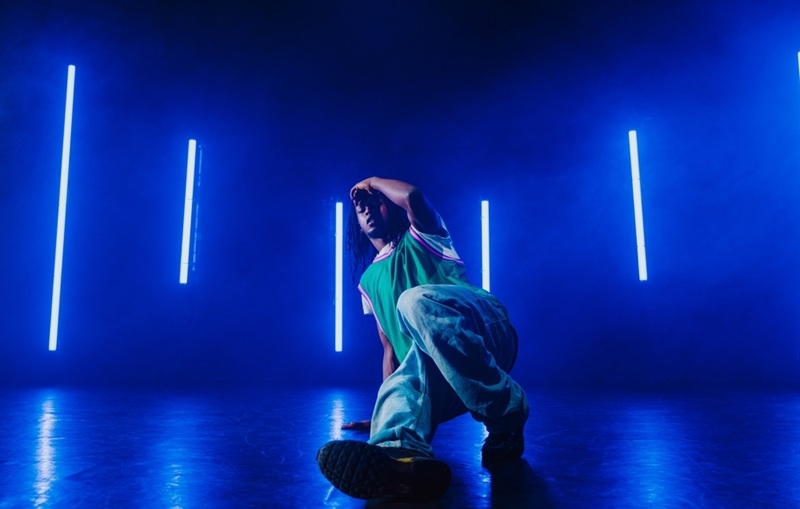
The blending of freestyle hip hop with choreographed movements creates a performance art that is perfect for competitive or show situations (i.e., competitions, performances, and dance videos).
Street choreography gives the dancer(s):
In its purest form, street choreographed dance respects the dance techniques of breakdancing, popping, and locking while embracing all of the newest dance styles.
The groove dance represents the heart of Hip Hop Dance Styles, as groove dance is the natural bounce/rhythm/flow with which a dancer moves in relation to music/groove. If Groove Dance doesn't exist, Hip Hop loses its life and becomes a repetitive series of steps with no connection to music.
Groove dance is the glue that binds all styles together, including breaking, popping, locking, freestyle, and choreography. A dancer with groove will develop their movement in such a way that they do not need to concentrate only on their steps but will have an effortless connection to the beat.
Understanding groove and rhythm is the first step in learning the know-how of hip hop dance style. The best way for beginners to get started is to listen to music deeply, practice the groove daily, freestyle hip-hop daily without fear, learn the basics of breaking, popping, and locking, and to show up regularly. Making an effort to show up consistently is most important, even if the moves are at a beginner level. A solid foundation in any urban dance style will build confidence.
Throughout history and across borders and cultures, hip-hop dance styles have evolved as dancers from all over the globe have shared their unique experiences to create new interpretations while honouring tradition. http://www.bbc.co.uk/timelines/zqh9y9q American Hip-Hop Dance styles have been developed into a variety of different styles. Global workshops and social media have helped to elevate freestyle hip-hop dance and street choreographies, as well as to maintain hip-hop dance styles today. As hip-hop dance continues to evolve, the three core principles of freedom, creativity, and groove remain the same.
The various hip-hop dance styles reflect voice, culture, and identity, providing dancers with the opportunity to express their individuality while creating a sense of community. Dancers utilize breaking, popping, locking, freestyle hip-hop, and urban dance styles to convey stories without the need for words.
When performed in battle, in a studio, or on stage, they give meaning to what they do.
Hip hop dance incorporates a mixture of various cultures and rhythms, along with its ability to showcase individual expression through creativity (breaking, popping, and locking), along with freestyle hip hop styles and groove dance styles. Each style continues to reflect the individual nature and creativity of urban dancers as they develop their skills and express their cultural heritage from the streets.
The primary distinguishing characteristic of hip-hop dance styles from other forms of dance is that they emphasize the groove or the ability to express yourself as you create and interpret the music through any manner of expression. The result is a highly individualized and culturally specific style of dance due to its heavy emphasis on the creative aspect of hip-hop.
The importance of developing confidence, rhythm, and creativity through freestyle hip-hop cannot be underestimated. Freestyle practice allows new dancers to develop their skills before attempting to learn structured street choreographies.
Yes! The techniques of breaking, popping, and locking remain popular within the hip-hop culture today and are essential for the development of modern urban dance styles around the world.
Many hip-hop dancers learn their dance styles in many non-studio settings by exploring various forms of music and learning from their own experiences dancing in freestyle situations.
Groove dance is an important part of the hip-hop dance culture because it provides a connection between the dancer's movements to the music, making hip-hop dance styles more expressive, natural, and authentic than other forms of dance.
This content was created by AI