

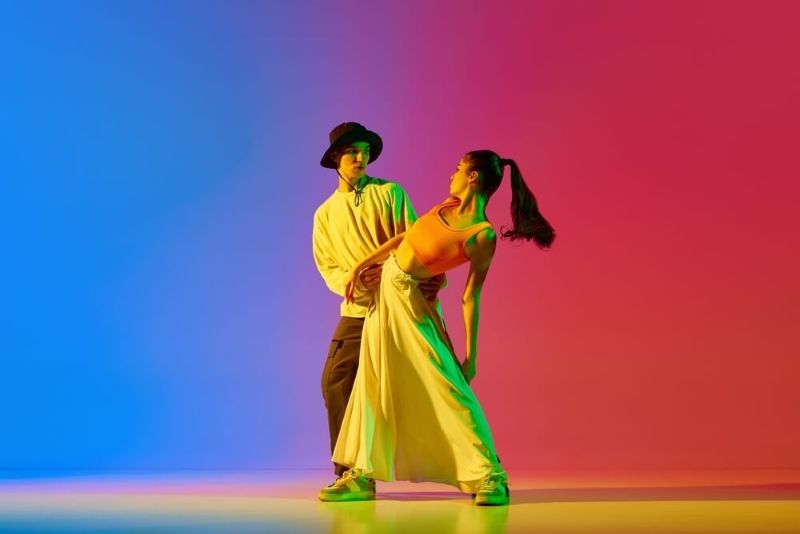
Contemporary dance doesn’t always ask for permission. It walks into the room, breathes, pauses, then moves in a way that feels honest. Sometimes messy. Sometimes breathtaking. This blog breaks down what contemporary dance really means, how its movements work, and why expression sits at its core. We’ll talk technique, sure, but also emotion, music, and the small human moments that make this style feel so alive. If you’ve ever watched a piece and thought, “I don’t fully get it, but I feel it,” you’re already closer than you think.
Contemporary dance style is often described as flexible, emotional, and deeply personal, but that barely scratches the surface. This section sets the tone by explaining where the style comes from and why it keeps changing without losing its soul.
At its heart, contemporary dance style is about choice. Dancers pull from ballet, jazz, and modern contemporary dance, then bend those rules to fit the moment. There’s technique underneath, always, but it’s not there to show off. It’s there to support intention.
You’ll see grounded weight shifts, sudden stillness, and movements that feel almost conversational. One gesture answers another. A pause says more than a leap.
Ballet reaches upward. Jazz pushes outward. Contemporary often sinks in before it expands. That grounded quality matters. It gives space for abstract movement and emotional choreography without forcing a single interpretation.
Unlike stricter forms, contemporary doesn’t insist on uniformity. Two dancers can perform the same phrase and look completely different.
Movement is where contemporary dance becomes real. Not polished-real, but human-real. This section explores how dancers move and why those choices resonate so strongly.
One of the first things people notice is the fluid dance style. Movements melt into each other. Arms don’t stop and reset; they continue, like a sentence that refuses a period.
Weight plays a big role. Dancers fall, recover, and sometimes let gravity win for a second. Floor work shows up often, not as a trick, but as a way to stay honest.
Here’s the thing. Not every movement has a clear name or purpose. Abstract movement allows the body to twist, fold, or reach in ways that feel intuitive rather than formal.
Some shapes look awkward at first glance. Bent spines. Off-center balances. Then something clicks. Those shapes start to feel familiar, like emotions you didn’t have words for until now.
Technique matters, but expression leads. This section looks at why contemporary dance often prioritizes feeling over flawless lines.
Expressive movement turns simple actions into meaning. A walk becomes hesitation. A reach becomes longing. You know what? Sometimes a breath does more than a jump ever could.
Dancers train to let emotion travel through the body without turning it into melodrama. It’s a fine line. Too much, and it feels forced. Too little, and the movement goes quiet.
Emotional choreography asks dancers to show up as themselves, not characters hiding behind costumes. That vulnerability can be uncomfortable, especially onstage.
Audiences feel it, though. Maybe that’s why contemporary pieces often linger in your mind. They don’t tell you what to feel. They trust you to find your own way there.
Behind the freedom is structure. This part pulls back the curtain on how dancers prepare for such open-ended work.
Most contemporary dancers train in multiple styles. Ballet for control. Modern contemporary dance for grounding. Yoga or Pilates for strength and awareness.
Improvisation classes matter too. They teach dancers to respond instead of repeat. To listen with the body. That skill shows up later when choreography shifts or a moment asks for something new.
Contemporary dance requires focus, but not the clenched kind. Dancers learn to stay present, to trust choices made in the moment.
That trust takes time. Some days it clicks. Other days it doesn’t. Funny enough, those off days often teach the most.
Sound shapes movement, but contemporary dance doesn’t rely on music the way other styles might. This section explores that relationship.
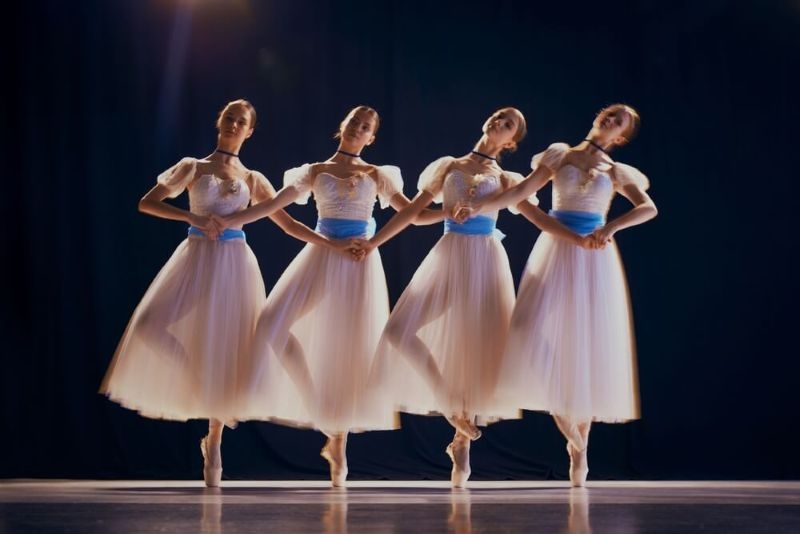
Music in contemporary work can be minimal, layered, or completely unexpected. Indie tracks. Classical strings. Even spoken word.
Rather than matching every beat, dancers often move through the music, letting it guide texture instead of timing.
Silence shows up more than people expect. Footsteps, breath, and the soft sound of fabric become part of the score.
At first, silence can feel awkward. Then it sharpens attention. Suddenly, every shift matters. Every pause lands heavier.
Contemporary dance doesn’t live in a vacuum. This section looks at where ideas come from and why they feel so relatable.
Choreographers often borrow from daily habits, such as how people scroll their phones. How do they wait for a bus? How do they avoid eye contact?
Social issues slip in too, sometimes quietly. Identity. Connection. Isolation. The dance doesn’t lecture. It reflects.
For USA audiences, contemporary dance often mirrors modern life. Fast, slow, fragmented, sincere. It doesn’t ask viewers to know the rules. It invites them to feel first and think later.
That accessibility keeps theaters full and college programs thriving. It feels current without chasing trends.
Nothing stays still, especially not a style built on change. This final section looks forward.
Social media has shifted how contemporary dance is shared. Short phrases filmed in studios reach millions overnight.
While stage work still matters, dancers now create for screens, rooftops, and pop-up spaces. The style stretches, adapts, and somehow stays itself.
With everything moving faster, contemporary dance keeps returning to feeling. Slowness. Breath. Connection.
That focus might be its greatest strength. When life gets noisy, this style reminds us to listen.
Contemporary dance style isn’t about fitting into a box. It’s about breaking it open and seeing what spills out. Through expressive movement, emotional choreography, and a fluid dance style that mirrors real life, contemporary dance keeps asking honest questions. It doesn’t always give clear answers, and that’s okay. Sometimes, feeling understood matters more.
It can be challenging, but beginners often enjoy the freedom. Classes usually adapt movement to different skill levels.
Sometimes yes, sometimes no. Many pieces focus on emotion rather than a clear narrative.
Comfort matters most. Fitted but flexible clothing helps you move and feel comfortable in your body.
Modern contemporary dance shares roots with modern, but contemporary pulls from more styles and changes more quickly.
This content was created by AI