

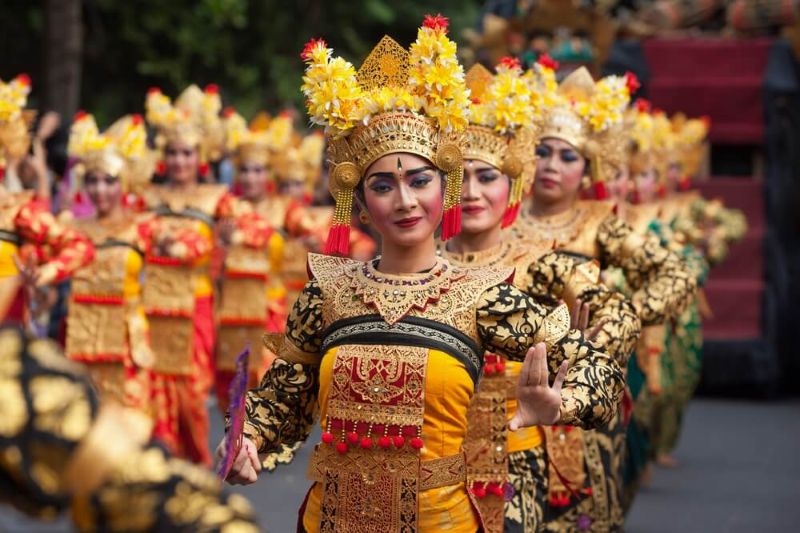
Traditional dance rituals transcend mere physical movement, serving as dynamic records of human culture, identity, and belief across various cultures and societies worldwide. For centuries, traditional dance rituals have united communities, their ancestors, deities, and the cycles of nature as a sacred means of expression. Traditional dance rituals represent the essence of human experience through their use of rhythm, gesture, and ceremonial emphasis; as such, they continue to serve as historical documents of our most profound values.
Since the establishment of ceremonial dance practices within temple worship, traditional dance rituals have also served as a fundamental means of connecting individuals, thereby preserving collective knowledge over time. As both an expression of celebration of life, the earth, and the divine, and as a unique expression that can only be seen on the dance floor, traditional dance rituals convey meanings that transcend the limitations of language, making sacred dance a truly global language of community and love for one another.
Traditional dance rituals are a specific form of structured movement that expresses a person's connection to the universe through their beliefs. They differ from contemporary performance dance in that they tend to be more metaphorical; often associated with religious occasions and milestones (such as moving through adulthood), they also serve as a reminder of the connections between present-day dancers and earlier peoples and cultures.
As part of traditional dance ritual practices, ceremonial dancing often marks transitions from one life phase to another, including birth, harvest, marriage, and mourning. The act of performing these ceremonial dances maintains the balance of the community's relationship with nature, ancestors, and spiritual presences, serving as a commemorative action that helps carry and preserve the cultural practices into the future.
In supporting the preservation of intangible cultural heritage (such as rituals), the traditional dance ritual serves to preserve a representation of a community's identity as well as the unique history, traditions, and rituals of that culture. The steps, beats, and costumes, among other elements, are an essential way for people to connect to that heritage through both body and spirit.
Throughout history, ceremonial dance has been a significant component in the establishment of a structured society and belief systems. The role of ceremonial dances in ancient cultures was to create the conditions necessary for a successful and plentiful harvest, to ensure the permeability of rains, and to instill the strength needed to fight battles on the battlefield.
Traditional ritual traditions of ceremonial dances from many indigenous tribes in Africa, Asia, and the Americas utilized the medium of conventional ceremonial dance to keep the connection between humanity and the universe.
When the seasons changed, traditional ceremonial dance strengthened social and cultural connections within communities, applying the community's knowledge to agricultural and celestial cycles, as well as the teachings of their ancestors, through the repetition of traditions through dance.
Traditions of Sacred Movements form the basis for all spiritual ceremonial practices. When we move our body as a prayer and send that message to the universe, we offer our physical gesture as a sacred offering to God. Dancing is a conduit for divine information, both physically and spiritually, and can bring joy to a person's heart, helping them express love.
Sacred dancing is not only acceptable in all cultures but also believed to help people activate their spiritual energy, heal emotional wounds, and create universal balance with movement. The creator's and devotee's heart is channeled through ceremonial dancing. Festival dancing embodies the love and abundance of the creator.
All the Sacred Dance forms from various cultures today remain essential because they allow us to preserve the Sacred Knowledge of these cultures through movement, rather than through a written word. This means that the Sacred Knowledge possessed by these cultures will always remain alive today through the traditional dance rituals they partake in.
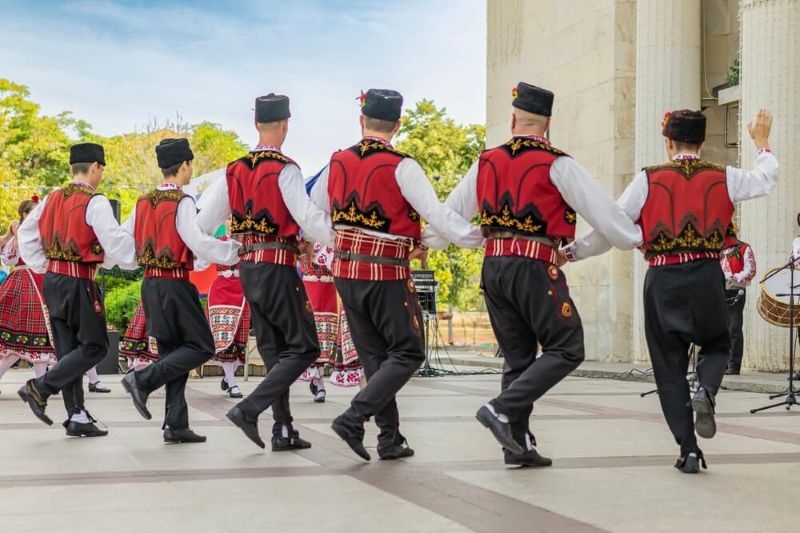
The Festival Movement transforms traditional dance rituals into communal celebrations. With the ability to create public celebrations, ritual traditions are no longer confined to sacred spaces (such as temples). They can continue to exist within the context of creating cultural continuity.
During these festivals, participants from various generations perform ritual dances, serving as a means to reinforce identity and collective memory. Throughout the festival, participants in the sacred dance are allowed to express themselves spiritually, while also being educated about their culture.
Ultimately, the Festival Movement offers an opportunity to sustain accessibility and vibrancy in traditional dance rituals. Sacred dance traditions can continue to develop even as they adapt and grow to reflect the changing cultural environment, while still retaining their foundational symbolic meanings.
Sacred dance serves as a direct link between worshippers and the divine. Traditional dance rituals are often integral to religious ceremonies, where movement replaces spoken prayer.
In Hindu, Buddhist, Indigenous, and African spiritual systems, sacred dance embodies devotion and surrender. Ceremonial dances honor gods, ancestors, and natural forces through symbolic gestures and rhythmic precision.
Ritual traditions rely on sacred dance to preserve theological teachings. These spiritual dance forms encode cosmology, morality, and mythology within physical expression, making traditional dance rituals a form of embodied scripture.
Ritual traditions create history through repetition and embodiment. Whether through ceremonial dances representing the myths or festival movements marking historical milestones, traditional dance rituals document history and preserve historical knowledge (anecdotes, victories/losses, and spiritual beliefs) that are not reported via documents.
Ceremonial dances represent mythological events, while festival movements represent an individual's historical process. Sacred Dance has evolved into a Living Archive — using the body, rhythm, and breath to record history in real time and as it happens.
Spiritual Dance provides the means for continued historical continuity within the context of a larger community, that is to say, it allows everyone to engage with the history of their ancestors as it has been performed for generations past and continue to be remembered through performance, feeling, and sharing through memory."
The relevance of the historical dance ceremonies stems from the fact that many people have emotional, spiritual, or other needs that are fulfilled through this type of activity in an increasingly fast-paced environment. As traditional rituals become modernized, they maintain their grounding presence and provide meaning to those involved. Dance ceremonies also create opportunities to reflect, heal, and affirm identity.
Movements created during festivals develop community ties, while sacred dances provide individuals with the means to reconnect to their more profound sense of purpose. Dances of tradition adapt to contemporary times without losing their essence; many modern performances utilise forms of sacred dance that maintain spiritual connections while incorporating new elements to keep the traditions alive and dynamic.
Community members engage in protecting their traditional dance rites through a combination of education, documentation, and cultural festivals. These oral teachings are designed to preserve the accuracy of the learning.
In addition, many cultural institutions recognise ceremonial dances as "Intangible Heritage" and promote access to younger generations through festival initiatives.
The focus of revival efforts is to ensure respect and accurate representation of spiritual forms of dancing and that these forms are not "Commercialised" and, as a result, maintain a sacred place within the community.
Preserving traditional dance practices protects the dignity and continued existence of the associated culture.
Traditional dance rituals are not simply an artifact or something from long ago; but they represent the current way we express our spirituality and history as humans. Many cultures use ceremonial dances, festive movement, and sacred dance rituals to maintain their identity, beliefs, and wisdom.
Ritual traditions reveal that we can express our intentions for something larger than ourselves through our actions. Dancing is a notable example. If people continue to participate in traditional dance rituals, we will continue to have humanity's cultural and spiritual heritage alive and well.
Cultural, spiritual, and historical heritage are preserved through traditional dance ceremonies. Ceremonial dances and sacred movement continue to uphold and reinforce community unity, cultural values, and intergenerational heritage.
Ritual dances are traditional forms of movement that represent both cultural values and spiritual beliefs. Ritual dance is an expression of gratitude to deities, a way of marking important life events (e.g., birth, coming of age, marriage, death), and a method for preserving the traditions and origins of these dances.
The primary difference between ritual dance and modern dance is that ritual dances are primarily intended to convey a sacred meaning (i.e., they are typically performed within the context of a ceremony). In contrast, modern dance is an artistic form of movement where the primary goal is to express the artist's creativity without any spiritual significance.
Ritual dances have always been an essential part of many cultures, as they help create and maintain devout communities by providing an avenue for expressing their sacred beliefs. Thus, ritual dances establish a way for communities to continue connecting with what they hold sacred, as well as provide a means for communities to reconnect with their past and retain their traditional ritual dance practices.
By creating public opportunities for individuals to share their traditional dances and festival activities, these events foster strong communal ties that will benefit the future of an individual’s culture.
Today, the preservation of sacred dance is achieved through oral history teachings, community dance celebrations, cultural festivals, and other community-based efforts to protect the integrity of holy dances from misrepresentation and distortion.
This content was created by AI