

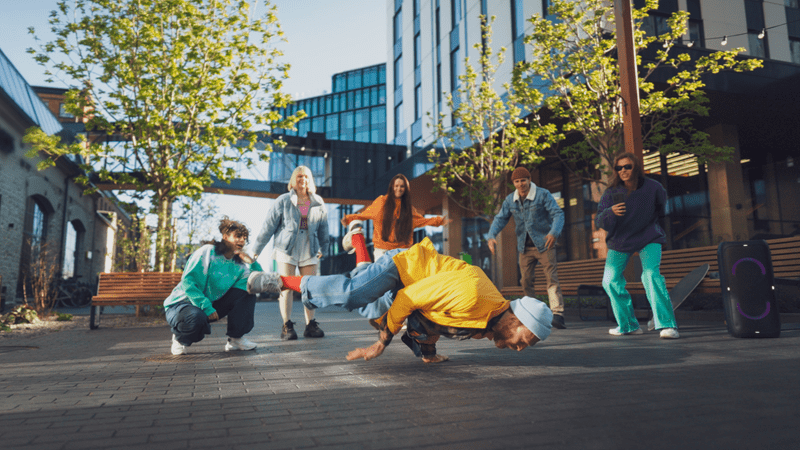
Street dance isn’t just a bunch of flashy moves set to whatever’s on the radio. It’s a culture, really—one that grew up out of neighborhoods, parks, and late-night parties. Before anyone thought about going viral or performing on a big stage, people danced together just to let off steam, connect, or show who they were. It wasn’t about putting on a show. It was about belonging.
If you really want to understand what makes it tick, you’ve got to look at where it came from. The best parts of street dance still come from its early days, when it was all about community and finding your voice.
Forget dance studios or fancy lessons. Street dance started outside, in the middle of city life, with music blasting through open windows or out of somebody’s boombox. Block parties, sidewalks, and playgrounds turned into dance floors. If you wanted to join in, you just did. Nobody cared if you knew the “right” steps—what mattered was that you were there, moving.
A lot of the time, street dance showed up when people needed something to hold onto. For young folks, especially, it was a way to find purpose or just feel like they belonged somewhere. No teachers, no mirrors—just people learning from each other, making things up, and pushing boundaries. That’s how the culture ended up valuing originality and guts, not flawless technique.
Urban dance styles came out of cities shaped by their own struggles and sounds. Each one—breaking, popping, locking, house—tells you something about the place and time it was born in. The music, the vibe, the people—everything left its mark.
What’s wild is how creative people got, even with almost nothing. No studios, no rules—just rhythm and raw feeling. Dancers battled, teamed up, and learned on the fly. They didn’t follow some set curriculum; they made it up as they went, which is why street dance still feels so personal and unpredictable, even as it gets bigger worldwide.
If there’s one thing at the core of street dance, it’s freestyle. You don’t memorize a routine. You don’t rehearse for hours. You listen, you move, you let the music take over. It’s about what you feel right now.
Freestyle pushes dancers to find their own lane. Even if two people dance the same style, you’ll never see them move exactly alike. That freedom brings out confidence and creativity, especially when you’re just starting out. Freestyle circles aren’t about who’s best—they’re about trading ideas, picking up new tricks, and keeping things fresh. That’s how street dance stays alive and keeps changing.
A lot of street dance moves come straight out of regular, everyday life. Walking, bouncing, striking a pose, reacting to a beat—it all gets turned into dance. Dancers take what’s natural and push it a little further.
You see it in the way people gesture, how they groove to the music, even how they dress. Local style shapes the way people stand or move. It’s social, too—energy bounces around, and everyone feeds off it.
Because of all this, street dance feels real and down-to-earth, even the trickiest moves trace back to something familiar. That’s why the culture connects with so many people—it’s built from the stuff everyone knows, turned into something expressive and powerful.
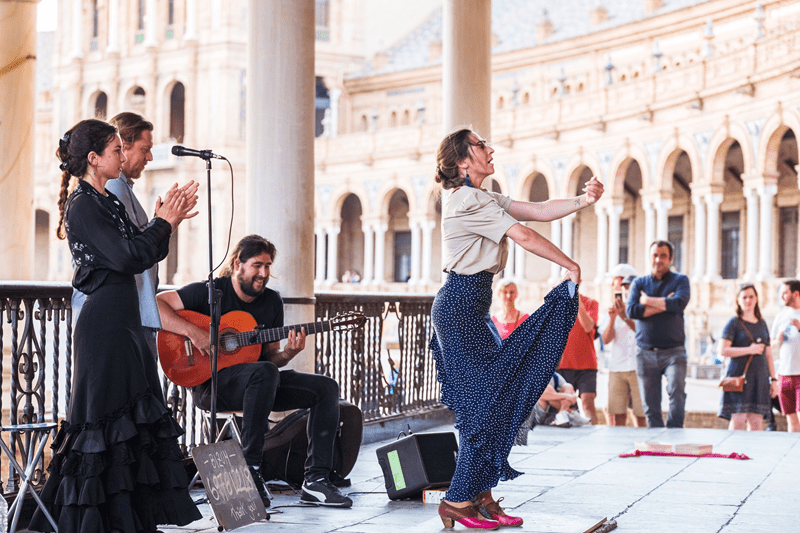
Social dance scenes keep street dance culture alive. You see them pop up everywhere—clubs, parks, community centers, or just a group of friends gathering to move. No one’s there to put on a show. It’s about sharing music, movement, and that raw energy that pulls everyone in.
In these spaces, nobody separates dancers from the crowd. Everyone’s part of it—moving, clapping, shouting, just lifting each other up. That feeling of belonging hits you immediately. People walk in, find their confidence, and let loose with their own style. This is where street dance really lives. It’s all about the energy between people, not just who’s best.
Battle culture sits at the core of street dance. On the surface, it looks like a contest, but it’s really about trading ideas and pushing each other with movement. Dancers throw down not just to win, but to show skill, originality, and how well they feel the music.
Battles do a lot for dancers. They teach you to think on your feet, to really listen to the music, to bring something new, and to stand your ground with confidence. Respect for each other and for where the dance comes from—those are big, too.
Winning isn’t everything. What matters is leaving your mark. Through battles, dancers find discipline, learn how to control their emotions, and figure out how to express themselves. These back-and-forths keep the culture moving forward and stay true to its roots.
Once street dance started turning heads, it took off. Suddenly, it’s everywhere—music videos, TV, international competitions. Social media kicked things into overdrive, letting dancers swap moves and ideas across the world.
This global reach brought street dance to new places and new people. Dancers from all walks of life started connecting, building a network that spans continents. But with that growth came some challenges. Sometimes, the hype and commercial side threaten to drown out the real meaning. That’s why a lot of dancers work hard to teach others about the roots, the history, and why community matters. It keeps things real.
Street dance culture wears a lot of hats these days. It thrives in studios and competitions, goes viral online, but still lives and breathes in local jams and social scenes. The trick is keeping tradition alive while trying new things.
A lot of dancers now make a point of sharing the backstory and cultural context, not just the moves. Events keep that old-school vibe with freestyle circles and battles. Striking that balance lets street dance grow without losing itself.
Street dance connects because it speaks to something real and universal. It gives people a way to let loose, find themselves, and belong—even if they don’t say a word. Dance becomes a way to figure out who you are and link up with others beyond language.
Everyone’s busy chasing clicks and chasing trends. Street dance doesn’t care about any of that. You just show up, let the music get into your bones, and bounce that energy around with everyone else in the room.
Street dance was born from people wanting to connect and let loose. Now it’s everywhere, but it’s still got that same soul. Freestyle culture lets individuality shine, and the simple roots of street movement origins turn into art. Social dance scenes and battles keep that sense of connection and respect alive.
As long as dancers stay true to community, authenticity, and where the culture comes from, street dance will keep evolving without forgetting its beginnings.
Street dance is about people, energy, and making it your own. Forget rigid technique for a second. What really matters is how you feel and how you connect with everyone around you. That’s where the magic happens.
Freestyle lets dancers build their own voice, play with music, and grow in confidence—just by moving in the moment.
No, battles aren’t just clashes. They’re this wild back-and-forth of ideas, a real show of respect, and a chance to see how far you can push your creativity.
By respecting its history, lifting up social dance scenes, and keeping expression at the center—not just chasing the latest trend—street dance keeps its soul intact.
This content was created by AI