


Hip-hop dance originated in urban communities, not studios, schools, or polished theaters. In these urban communities, the hip-hop dance movement emerged from neighborhoods where people were brought together by loud music, proximity to one another, and previously accepted forms of dancing. Hip-hop dance originated in urban communities where creativity was valued above financial gain. Breaking origins, rap culture, dance, and street expression formed together, not apart. This dance style became a voice for communities that felt ignored. What this really means is that hip-hop dance was never just entertainment; it was a form of survival mixed with joy.
The streets shaped everything. The sound, style, and purpose all stemmed from real-life experiences. Hip-hop dance history reflects how people used movement to express pride, frustration, and hope. The culture stayed honest because it came from the ground up, not from trends or marketing plans.
The story of hip hop dance history begins in New York City during the 1970s. Many neighborhoods faced poverty, overcrowding, and a lack of resources, yet culture grew strong. Urban roots played a massive role in shaping early dance styles. Young people gathered at block parties, parks, and schoolyards where DJs played music using turntables and speakers.
Dance became a way to stand out and feel valued. Street expression allowed people to showcase their skills without needing words. The hip hop movement offered structure in places where systems often failed. Instead of formal rules, dancers followed the principles of respect, originality, and rhythm.
Key elements from this early stage included
Hip-hop dance history remained connected to these beginnings even as it grew larger. The culture never forgot its roots, even as the stages grew larger.
Breaking is one of the most significant aspects of hip-hop dance history. Breaking, also known as b-boying or b-girling, originated as a means of competing without violence. Dance battles replaced physical fights and helped reduce tension in many communities.
The roots of breaking were established in the development of floor-based movement. Floor-based movements showed strength, control, and creativity, while dancers challenged one another through the use of spins, freezes, and fast footwork. The battle between dancers forced each dancer's technique to be challenged and improved, creating an opportunity for dancers to develop their skills in ways never thought possible. Earned through skill and respect for one another.
Core elements of breaking include
Breaking origins also shaped the mindset of the hip hop movement. Discipline, practice, and respect became essential values. Street expression remained competitive yet creative, rather than harmful.
Rap culture had a significant influence on the history of hip-hop. As rap music advanced, so did the association of dance movements with lyrics, tempo, and feeling. Through rap, many of the stories told are about life, struggle, pride, and survival. Dance responded to rap's stories through movement.
Rap culture dance helped dancers focus on timing and musical awareness. Moves were not random. Each step followed the beat or responded to the lyrics. What this really means is that dancers became interpreters of sound through movement.
Rap culture dance also helped hip hop spread beyond one city. Music traveled faster than people. As rap reached new places, dance followed closely. Even as styles changed, urban roots stayed visible in posture, attitude, and flow.
Hip-hop dance history encompasses more than just breaking. As the hip-hop movement grew, new styles emerged while maintaining street expression at the center. These styles formed in different cities but shared common values.
Popular hip hop dance styles include
Each style reflected urban roots and community influence. Dancers often blended styles rather than choosing just one. This flexibility helped hip hop dance history remain fresh without losing its meaning.
The hip hop movement encouraged experimentation. No single way to dance was considered correct. Originality mattered more than perfection. This open approach allowed the culture to grow naturally.
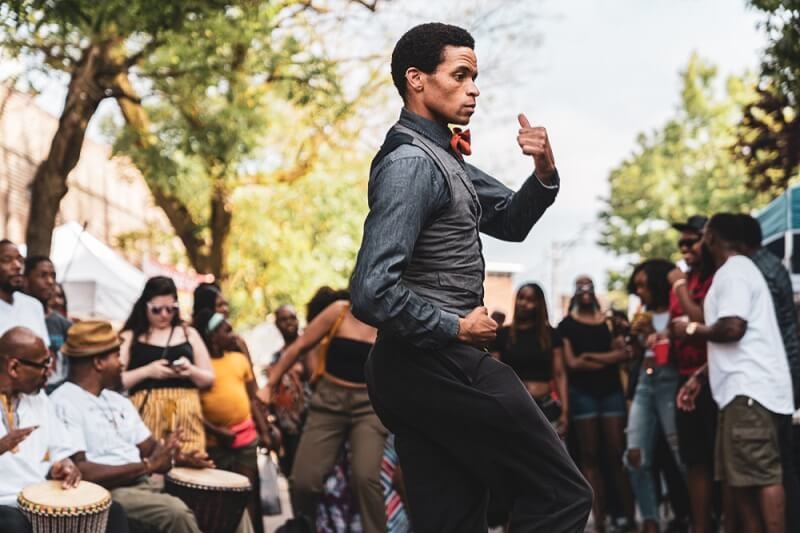
Street expression sits at the heart of hip hop dance history. Dance became a means of expressing emotions when words were insufficient. Clothing, posture, facial expressions, and movement all contributed to how dancers presented themselves.
Street expression allowed dancers to show confidence and individuality. Breaking origins encouraged boldness and fearlessness. Each dancer brought personal experience into their movement. Urban roots kept those expressions grounded in real life.
Street expression also helped build community pride. Dancers felt seen and respected. The hip hop movement gave people a sense of belonging that extended beyond dance floors.
Hip-hop dance history has reached a wider audience through films, television, and music videos. Movies introduced viewers to breaking origins who had never seen street battles before. Music videos showcased rap culture and dance and made certain moves popular worldwide.
Dance competitions on television played a significant role in propelling the hip-hop movement into mainstream culture. Crews gained recognition, and dancers became role models. Even with this growth, street expression remained a vital part of the scene.
Urban roots continued to guide judging standards and audience respect. Authenticity stayed valuable. Dancers who understood hip hop dance history earned more respect than those who copied trends.
Today, hip hop dance history is taught in studios, schools, and community centers. Teachers often include lessons on breaking origins and cultural background. Learning the history helps dancers understand the meaning behind the moves.
Modern hip hop education often focuses on
This approach helps protect the culture. The hip-hop movement remains strong when dancers understand its past. Teaching history keeps the art form honest and respectful.
Hip-hop dance history is significant because it demonstrates how creativity thrives under pressure. It proves that movement can become a voice for change. Breaking origins reminds dancers that competition does not need violence.
Urban roots protect the culture from losing its purpose. Street expression keeps dance personal and emotional. Rap culture dance connects movement to sound in powerful ways.
The hip hop movement teaches discipline, confidence, and respect. These lessons go beyond dance and influence daily life.
Hip-hop dance history continues to evolve as new generations introduce fresh ideas. New styles appear, but the foundation remains the same. Breaking origins still inspires dancers worldwide.
Rap culture dance continues to evolve in response to music trends. Street expression stays personal and raw. Urban roots hold everything together and prevent the culture from becoming empty.
This balance between change and tradition keeps hip hop alive and meaningful.
Hip hop dance history tells a story of creativity, struggle, and pride shaped by urban roots. Breaking origins, rap culture, dance, and street expression built a culture that continues to grow. The hip-hop movement remains powerful because it remains honest, flexible, and deeply human.
Hip-hop dance history is the story of street-based dance styles that originated from urban roots and became an integral part of a global culture.
Breaking origins show how dance replaced violence and allowed competition through skill, respect, and creativity.
Rap culture dance connects movement to music by matching rhythm, lyrics, and emotion through freestyle expression.
Street expression enables dancers to convey their identity, emotions, and personal stories without the need for words.
This content was created by AI