

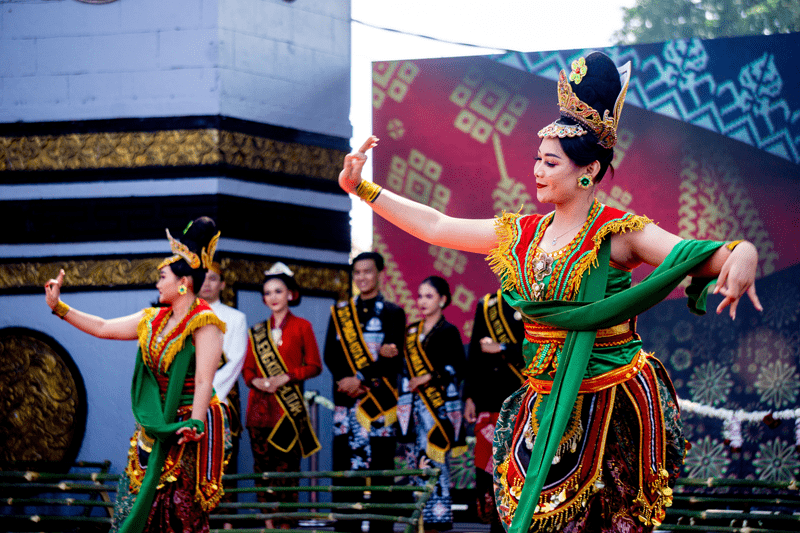
Each culture has its own unique interpretation of cultural dance, and each interpretation is closely tied to the culture's history, beliefs, and identity. Dance is an ancient and modern way of sharing the stories of all people, including those who share their cultures and religions. However, the activities of many limit their ability to discuss and communicate this cultural heritage. This will enable you to see it visually. Cultural dance holds significance because it creates a visual representation for others to see of the shared beliefs and values that do not need to be explained verbally.
The meaning of cultural dance can be further understood by looking at the shared purpose of artistic dance, which is to preserve heritage and the shared cultural values and beliefs that have been passed down through many generations, and to protect and create many forms of resistance to oppression, as well as a way to generate celebration and a means of building unity.
Cultural dances are defined by the reasons and messages behind them in different communities. Cultural Dance is NOT simply a "bunch of random movements." Cultural Dance is performed with intent as a reflection of the community's past, location, and social values during a particular time in history. In many cultures, Dance and Culture are intertwined. Dance is a record of events, a remembrance of ancestors, and a way of teaching moral lessons. The meaning and expressions that are embodied in the movements of Cultural Dance are an expression of many facets of life. Cultural dances and the symbols they depict provide communities with a means to preserve their cultural identity while continuing to express their shared culture.
Therefore, understanding the meanings of the Cultural Dances will ensure that they are still considered authentic and respected as such. Without knowing the context in which cultural dances are performed, they may no longer maintain their authenticity. Cultural Dances that have meanings associated with them remain living traditions.
Over time, dance and culture have grown together. Before written language existed, our ancestors were using dance to communicate with one another. The cultural significance of the dance in ancient societies generally revolved around births, harvests, wars, and religion.
The traditional symbolism of dance has been utilized as a form of communication throughout history. From ceremonial dances performed by African tribes to ritual dances performed by indigenous Americans, the traditional meanings of dance provided an avenue for storytelling and wisdom to be passed down through generations.
As dance has developed over time, so has the identity associated with dance. Since the identities associated with many dances were maintained over time, they are significant to those who participate in them.
Today, dance remains an important part of culture through many various forms of expressiveness and continues to promote cultural connections among individuals.
Cultural dance conveys individual and cultural identities through cultural expressions that each culture has a unique style. Cultural dance is influenced by a community's beliefs, music, and environment, which in turn helps convey cultural beliefs about identity and heritage.
Through a community's cultural dance experiences, it can experience and share its values, as well as a record of its shared past, revealing insights into the community's social hierarchy, belief system, and cultural history.
Traditional dance experiences often exhibit labour practices, natural resources, and sacred ceremonies that validate a community's sense of belonging.
By preserving the meaning of a cultural dance, a culture can continue to convey what it represents and how it fits into its overall identity and identity preservation. As an artistic expression, dance embodies a culture's unique spirit and serves as a visible sign of existence and pride.
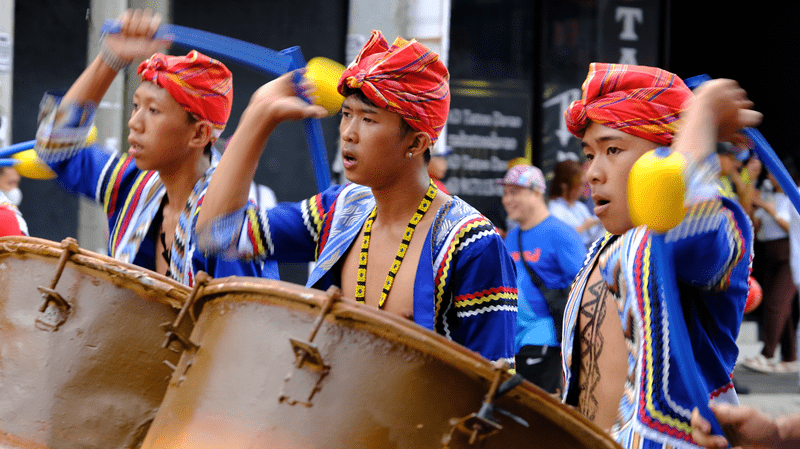
Symbolic dance is a form of representation that expresses feelings, thoughts and stories through movements. These movements that are cultural in origin can have multiple meanings based on their context within a particular culture's history and practices (for example, a raised hand could mean "I am praying," whereas stomping one's feet on the ground could mean "I am honouring the earth").
In some cultures, symbolic dance serves as a substitute for verbal communication; therefore, when a community member dances, the community gains insight into the cultural context of the movement. Symbolic dance helps create an emotional bond for individuals who share a similar cultural background and also reinforces a collective identity for dance and culture.
Another important reason why symbolic dance is a powerful form of expression is that it transcends linguistic barriers, while remaining firmly rooted in one's cultural heritage. Dance is the primary medium through which this shared experience takes place. Symbolic dancing will always have the potential to express cultural traditions in all major parts of the world.
Symbolic dance is the bodily enactment of emotion and thought; it conveys meaning through the use of motions that originate from a particular culture's history and practice. For instance, a raised arm is interpreted differently depending on how it is used; in one culture, it may mean "I am praying"; in another culture, it may mean "I honour the earth".
In some cultures, symbolic dances allow for the expression of thoughts or emotions through the interpretation of movement. Therefore, when a person dances in public, they share an understanding of the cultural significance of the movements with other members of their cultural group, thereby developing an emotional connection to each other based on their shared culture.
Dance has always been used to create a strong emotional connection between individuals who share a similar cultural heritage. A collective identity for both the dance and the culture can be made through dance.
Dance is the primary means of conveying the shared experience of culture, and it is also a means of expressing cultural tradition. Symbolic dance will continue to serve as a vehicle to express cultural traditions in significant parts of the world.
Cultural traditions remain preserved; however, dance as a form of cultural expression will continue to evolve as culture changes due to globalization, migration, etc. Culture and dance are being redefined by new environments, which create a fusion of both traditional dance movement and modern music styles. Still, cultural dance maintains a strong identity with clearly defined traditional values. In fact, even the most modern interpretations of cultural dance typically incorporate the meanings and symbolic representations of traditional dance movements.
This balance of retaining the authenticity of a cultural dance while still adapting and growing is how cultural dances will continue to remain relevant and be preserved for future generations. Cultural dance is a reflection of a culture's resilience and adaptability.
Understanding the cultural significance of dance in a globalized society is crucial for creating a respectful and inclusive environment. By understanding the cultural importance of dance, people can learn to appreciate it rather than merely appropriating it. Learning about dance and culture provides an opportunity to develop empathy and a historical perspective on culture. Dance education and festivals, classrooms, and museums today all teach about the symbolism of dance and traditional movements to preserve the cultural identity of future generations and ensure that new generations participate in the meaningful expression of their cultural identity, rather than simply imitating cultural expressions without due consideration.
Intentional effort is required to preserve the meaning of Cultural Dance. Cultural Dance is preserved through documentation, community teaching, and respectful performance. Cultural leaders protect traditional movements and symbolic dance from misrepresentation. Supporting local artists strengthens the dance identity and keeps dance and culture alive. A community values authenticity and storytelling, which ensures meaningful expression of culture for future generations.
The cultural significance of dance is to convey heritage (culture) and identity (yourself) through the act of dancing. Dance can express a society's memories and values while also celebrating that society's existence. The symbolic meaning of dance, the way you move, and your dance identity are some of the ways that movement can continue to be an important cultural expression. In a constantly changing world, preserving the cultural meaning of dance also preserves a diverse society and strengthens connections between human beings. Dance does not have to be only viewed as movement; dance is an embodiment of history in motion.
Cultural Dance represents the meaning behind our history, beliefs, identity, and shared community values through traditional movements, gestures, and dance practices that are culturally based.
Dance and Culture are interdependent; dance captures the traditions that have formed within society over time, the social values shaped by those traditions, as well as Rituals and collective memories handed down through generations.
Symbolic Dance communicates Spiritual Beliefs, Emotions, Historical Events, and Cultural Stories without spoken language by utilizing gesture and movement to represent cultural beliefs, values, and memories.
Preservation of traditional movement meanings ensures that Cultural Dance remains in its original form, with respect to its purpose, symbolism, and historical context.
Dance Identity is directly related to Community Values, Heritage, and Individuality, which can be shown through the unique Movement Styles and Symbolic Traditions of a specific type of dance.
This content was created by AI