

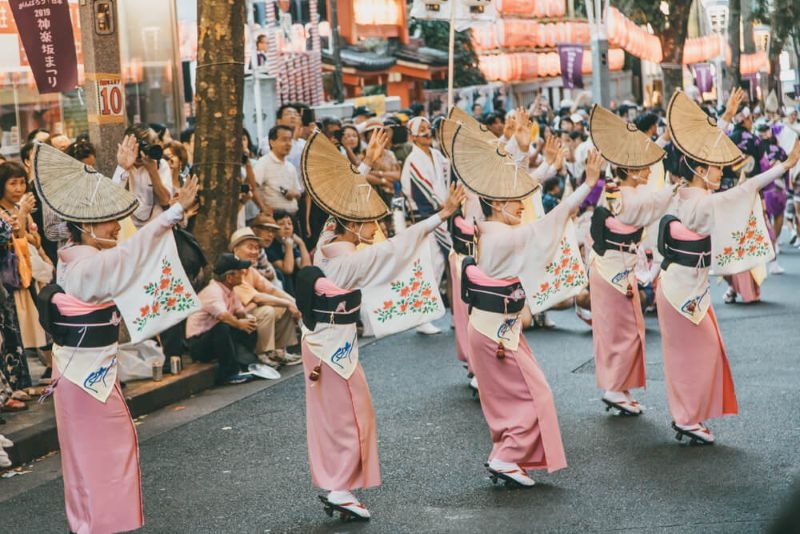
Dance has been with us longer than written language, longer than cities, maybe even longer than formal speech. Long before stages, spotlights, or fancy costumes, people moved their bodies to make sense of the world around them. This blog walks through the full journey, from raw movement around fires to refined performances in theaters. We will talk about early dance rituals, ancient dance history, why dance began, and how simple, primitive movement slowly turned into an art form we still rely on for expression today. Along the way, you might notice something familiar, because even now, when music plays, our bodies still want to respond.
To understand the origins of dance forms, we need to go way back, before labels and genres existed. This section sets the foundation by looking at how movement became meaning and how instinct slowly turned into tradition.
Why dance began is not as mysterious as it sounds. Early humans moved because they had to. Movement helped them hunt, celebrate, grieve, and survive. A stomp could signal strength. A jump could show readiness. Over time, these actions were repeated, gained rhythm, and became shared behaviors.
Honestly, think about clapping when you are excited or pacing when nervous. That urge is ancient. Dance grew out of those same impulses.
Before words were reliable, bodies spoke. Primitive movement worked like a visual language. A raised arm, a bent knee, a sudden spin. These gestures carried messages others could read instantly.
This was not about beauty. It was about clarity. Over time, repetition turned these movements into patterns, and patterns turned into early dance rituals tied to daily life.
Once movement became shared, it became sacred. This section looks at how early dance rituals were closely tied to survival, belief, and community bonding.
Early societies danced for rain, good harvests, successful hunts, and protection from danger. Ritual dance connected people to forces they could not control. The rhythm of feet hitting the ground often mirrored heartbeats, storms, or animal movement.
You know what? Even today, music at sports events or concerts does the same thing. It syncs people into one shared pulse.
Dancing together built trust. It said, We are part of the same group. In times when survival depended on cooperation, that mattered a lot. Early dance rituals helped strengthen social ties and reduce fear.
This is where dance stopped being individual and became communal. That shift changed everything.
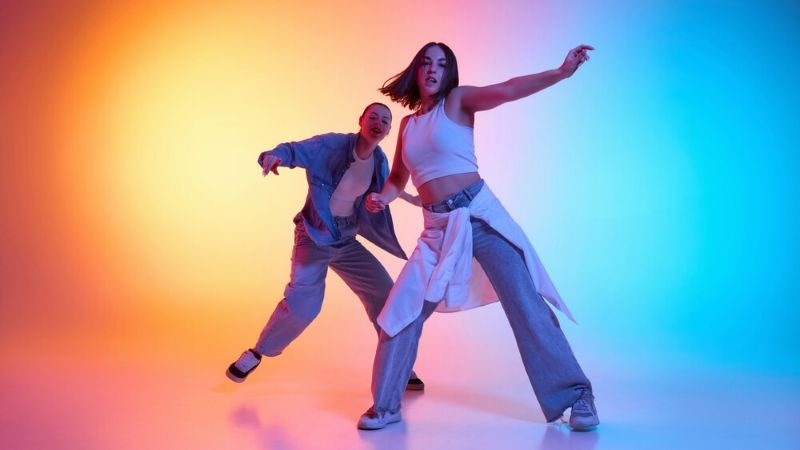
Beyond bonding and belief, dance gave early humans a way to release tension. Life was uncertain. Hunger, weather, predators, loss. All of it weighed heavily. Moving together to the rhythm helped shake off fear in a physical way.
Here’s the thing. When people danced after a hunt or before a risky journey, it wasn’t just tradition. It was a regulation.
As societies grew more complex, so did dance. This section explores how ancient dance history shows the first steps toward structured forms.
In ancient Egypt, dance appeared in religious ceremonies and royal celebrations. In Greece, it was tied to education, theater, and physical training. Native cultures across the Americas used dance to pass down stories and honor ancestors.
Different places, same instinct. Movement mattered everywhere.
Over time, dances developed rules. Certain steps belonged to certain events. Costumes appeared. Music became more defined. Dance was no longer just spontaneous movement. It was planned, practiced, and taught.
That is when dance began to look familiar to us.
Once the structure entered the picture, dance gained a new role. This section focuses on storytelling and emotional expression.
Dance started to explain things that words could not. Love, loss, bravery, fear. A dancer’s body could tell a full story without a single sentence spoken.
This might sound dramatic, but think of a slow sway versus sharp steps. You feel the difference immediately.
Ancient dance history shows that communities used dance to preserve identity. Steps and gestures passed from one generation to the next, carrying values, warnings, and hopes.
Dance became memory with muscles.
Not all change was sudden. This section explores how ritual dance slowly evolved into performance and art.
At some point, people began dancing not just for gods or survival, but for each other. Audiences formed. Performers trained. Skill started to matter more than symbolism alone.
This did not erase ritual. It added a new layer.
As dance moved toward art, technique developed—balance, control, timing. Yet emotion stayed central. The best dances still made people feel something, even if the meaning was no longer tied to rain or harvests.
A little contradiction shows up here. Dance became formal, yet it stayed deeply human.
Dance never lost its social power. This section looks at how dance continued to shape communities.
From weddings to marches, dance shows up when emotions run high. It celebrates joy and challenges authority. In American history, think of jazz, swing, and hip hop. Each style reflected its time and place.
Movement reacts faster than laws or speeches.
Dance gives people a sense of home. Regional styles, street dances, and cultural performances. They all say, This is who we are.
Even when styles change, that core purpose stays steady.
The journey from ritual to art did not end. This section connects ancient roots to modern life.
Many modern dance forms still echo primitive movement. Strong footwork, circular patterns, call and response rhythms. These are not accidents. They are inherited habits.
You might see it in a ballet leap or a hip hop freestyle. Different surface, same foundation.
Dance helps people release stress, connect socially, and process emotion. Science backs this up, but humans knew it long before studies existed.
Maybe that is why dance never disappears. It adapts.
The origins of dance forms show us something simple and powerful. Dance began as a response to life itself. Fear, joy, survival, belief. Early dance rituals turned movement into meaning. Ancient dance history shaped those meanings into shared traditions. Over time, ritual dance grew into art, but it never lost its emotional core.
Early humans used dance to communicate, bond, and survive. Movement helped express ideas before language was fully developed.
Many modern styles still use rhythms, patterns, and gestures rooted in ritual dance. The purpose changed, but the structure often stayed.
It is both. Dance reflects cultural identity while also allowing personal emotional expression.
Because movement is universal, humans everywhere respond to rhythm, emotion, and shared experience through dance.
This content was created by AI