

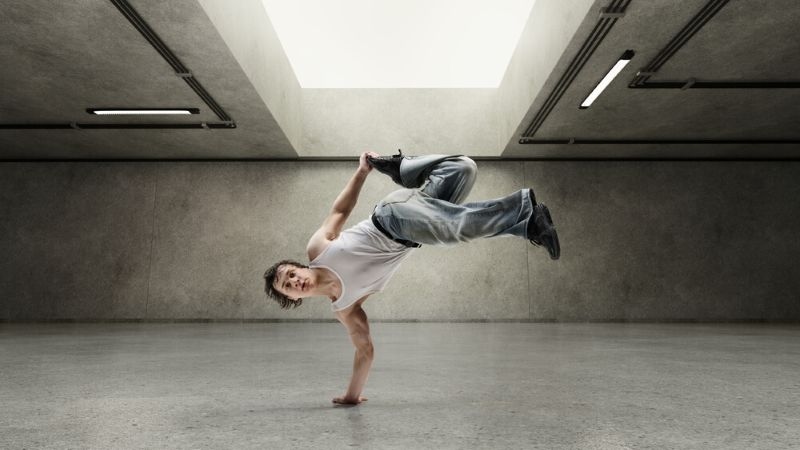
Evolution Of Street Dance From Underground To Mainstream Street dance did not start in studios with mirrors and polished floors. It started where people actually lived. Sidewalks. Basements. Community centers. Schoolyards. Parking lots. Anywhere music could play and someone had space to move. It grew because it had to. Because people wanted a voice, a style, a release. No permission needed.
That is why the evolution of street dance feels different from other dance histories. It is not a neat timeline with one “official” origin. It is messy. Local. Full of rivalry and remix culture. One neighborhood creates something. Another flips it. Then it spreads, mutates, and comes back louder.
And now? Street dance shows up everywhere. Super Bowl halftime shows. Music videos. Talent competitions. TikTok. Big tour stages. It went from underground to mainstream without losing its edge, even if the world keeps trying to package it nicely.
This blog breaks down how that happened, and why it still matters.
Street dance grew out of communities, not companies. Many early styles were born from social conditions: limited resources, strong community identity, and the need to express something that words could not hold.
In the 1970s, a lot of the modern foundation formed in places like New York and California, alongside hip hop culture, funk music, and neighborhood party scenes. People danced to feel seen. To compete. To connect. To survive boredom. To turn frustration into movement.
No one called it “content.” It was culture. The early magic was also about invention. Dancers did not have formal rules, so they built their own. That spirit still powers freestyle evolution today. The best dancers are rarely the ones who copy perfectly. They are the ones who twist the familiar into something personal.
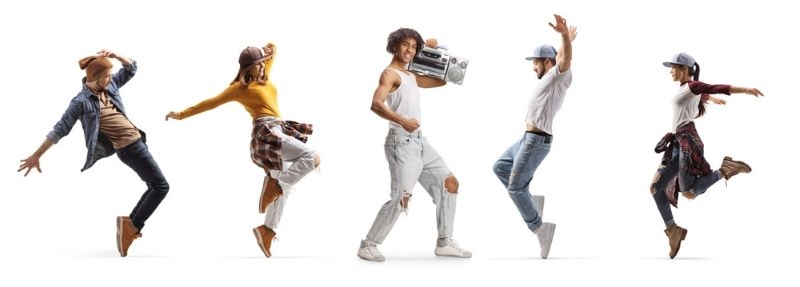
Before street dance became a global term, there were specific styles with specific roots. In California, funk styles like locking and popping developed with their own musicality and attitude. Those styles were not just moves. They were characters. Playful, sharp, sometimes robotic, sometimes comedic. But always controlled.
In New York, breaking grew with athletic footwork, power moves, freezes, and a deep relationship with rhythm. Breaking was raw, competitive, and community-driven, often tied to crews. It pushed physical limits, but it also carried an unspoken code: respect the circle, respect the craft.
This was an early form of street styles growth. Styles did not grow because someone marketed them. They grew because people practiced, battled, and shared.
If studios are classrooms, battles are exams. Public ones. Dance battles played a huge role in shaping street dance. They created pressure. They forced creativity. They built reputations. A dancer could not hide behind fancy production. They had to respond to music, opponent energy, and crowd reaction in real time.
Battles also created a kind of honesty. If a move was weak, the crowd knew. If someone bit another dancer’s style too closely, people noticed. That social accountability mattered. It protected originality, at least within the community.
Battles are also where innovation happens fast. Someone tries a new groove. Someone else counters with a sharper variation. Then it spreads like wildfire. That rapid exchange is a big reason the urban dance timeline is so hard to keep tidy. Street dance evolves live, not on paper.
Street dance started getting wider visibility through movies, TV, and music videos. Once cameras got involved, everything changed. Films and televised performances introduced people to styles they had never seen in their own cities. Music videos turned street moves into pop culture symbols. Dance crews became a thing. Choreography became more structured. The audience grew massively.
This visibility helped and complicated things at the same time. On one hand, it gave dancers opportunity, income, and platform. On the other, mainstream media sometimes watered down the roots, stripping context while keeping the “look.”
That tension still exists. A lot of dancers love mainstream exposure, but they also want respect for the communities that built the culture.
As street dance expanded, studios began teaching it, especially in big cities. Choreography-focused classes exploded. People started calling it “urban dance,” which became a broad label that blended hip hop foundations, street styles, and commercial choreography.
This era brought new access. People who did not grow up in the original scenes could still learn, train, and join the culture. It also created new careers. Dance teams, competitions, workshops, and tours started shaping the industry.
But here is the key point. Studio choreography is not the same thing as street dance foundations. They can overlap, but the intention is different.
Street dance is often built around improvisation, social exchange, and community.
Choreography culture is built around counts, formations, and performance design.
Both are valid. They just come from different places. The best dancers understand both worlds, and they respect what each one demands.
Then came the internet. And later, short-form video. Suddenly, a dancer could go viral from a bedroom, not a stage. A move could become a trend overnight. A style could spread globally in days.
This accelerated the modern street movement in a big way. It made dance more accessible, more visible, and more shareable. It also created new challenges: copying without credit, trends replacing deeper practice, and pressure to make dance “content-friendly.”
But it also sparked creativity. People began mixing styles across continents. Dancers from different backgrounds collaborated in ways that were not possible before. New hybrids formed. New aesthetics emerged.
Street dance has always been about remixing. Social media just turned the remix volume up.
Even with mainstream attention, the heart of street dance remains pretty consistent.
It is still about:
The best street dancers still carry that original spirit. They listen deeply. They respond honestly. They create instead of copy. They show personality, not just skill.
And importantly, they know the history. Not as trivia, but as context. Knowing where a style came from changes how a dancer performs it. It adds meaning. It adds respect.
That is why the evolution of street dance is not just about new moves. It is about the culture continuing, even as the world keeps trying to reshape it.
Street dance is still evolving. It always will.
More global exchange is happening. More cross-style collaboration. More dancers blending foundations with new influences like contemporary, Afro styles, house, krump, waacking, and beyond.
At the same time, more dancers are pushing for cultural credit and education. They want people to learn the roots, not just the aesthetic. They want acknowledgment of the communities that created these styles under real social pressure.
The future likely holds both: more mainstream visibility and deeper conversations about origin, respect, and ownership.
If street dance has taught the world anything, it is this: culture moves. And it does not ask permission.
Street dance traveled a long road. From local circles to global stages. From underground parties to polished productions. Yet the core remains the same. It is movement with identity. It is rhythm with attitude. It is creativity under pressure.
The evolution of street dance is not finished. It is still happening every time someone steps into a circle, hears a beat, and decides to respond with their own truth.
Street dance is rooted in social communities, improvisation, and specific style foundations. Studio hip hop often focuses more on choreography and performance structure.
Yes. Battles still test musicality, originality, and presence in real time. They also keep the culture connected to its competitive roots and community energy.
They can start by learning basic foundations, studying the history, and training with teachers who credit origins. Practicing freestyle and listening to the music deeply also helps.
This content was created by AI