

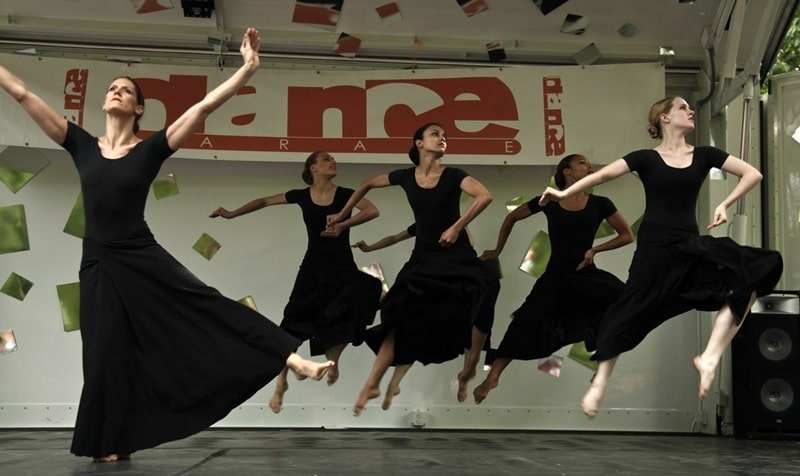
Dance is one of those things people have always turned to when they want to say something words just can’t cover. Before anyone wrote anything down or built theaters, folks danced to show how they felt, what they believed, and the stories they wanted to pass on.
These dancers weren’t just talented. They broke rules, brought in fresh ideas, and their influence stretched way beyond the stage lights. What they did still shapes the way we move, teach, and even think about dance now.
When you look at the most famous dancers in history, you start to see how movement went from something tied to tradition to a respected art form that crosses borders. Here are some famous dancers in history:
Martha Graham didn’t care for the dreamy, delicate world of classical ballet. She wanted something real, something that came from the ground up. Her dances focused on breath, tension, release—the full range of human emotion. She made dance feel raw and honest.
People still see her as one of the most important figures in dance from the last century. She believed dance should show the truth inside, not just look pretty. Her way of moving is now at the heart of how modern dance is taught everywhere.
Vaslav Nijinsky wasn’t just another ballet dancer. He was electric. The guy could jump higher than anyone, and when he moved, you felt it in your chest. He flipped the script on what people thought a male dancer could do. His intensity on stage? Wild. Every time he performed, he left a mark.
But dancing wasn’t enough for Nijinsky. As a choreographer, he tore up the old rules and dragged ballet into new territory. Even with all the arguing and complaints from critics, he kept going and proved that ballet still mattered—still had something to say.
Isadora Duncan wanted dance to feel alive. She ditched her shoes, wore whatever let her move freely, and let her body move like wind or water. Nature inspired her. Ancient Greek art, too. She threw out the rigid rules of ballet and just followed her own path.
What makes Duncan unforgettable is how she put emotion first, not just perfect steps. She started a wave—modern dance took off across Europe and America because of her. She showed dancers that honesty on stage matters more than flawless technique.
Fred Astaire didn’t just dance—he brought dance into people’s homes with his movies. He slid from tap to ballroom to jazz like it was nothing. For Astaire, dance wasn’t just a side act in a film. It was the reason to watch.
People still talk about him because his style set the standard. He obsessed over clean lines, perfect timing, and moving in sync with his partner. Dancers still chase them today.
Katherine Dunham was more than a performer. She was one of the famous dance leaders, always hungry to learn about movement and culture. She traveled everywhere, studied African and Caribbean dances up close, and put them on stage with real care. Because of her, dances that could’ve disappeared or been ignored found new energy and new fans.
Her influence is everywhere. She mixed anthropology with art, taught dancers to respect every culture, and trained a whole generation who changed the field. Dunham didn’t just make concert dance bigger—she showed everyone that dance history belongs to all of us. It’s part of who we are.
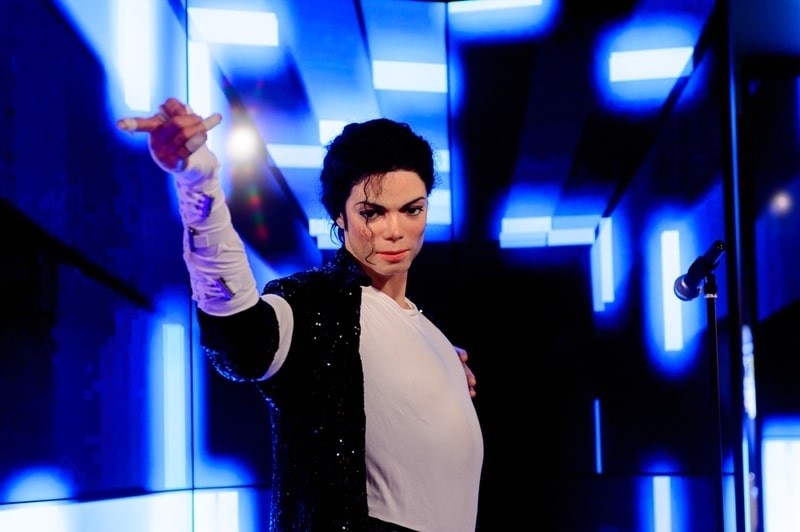
Michael Jackson took dance and turned it into a language everyone could understand. His moves were sharp, his footwork always surprising, and he told stories with his body that stuck in people’s minds. The moonwalk by itself turned into a worldwide symbol of imaginative power.
Pop was not only influenced by him, but he also redefined the very concept of an artist by going beyond the limits, blending genres, and addressing every generation. Without a doubt, Jackson proved that dance could be the way to create a heritage.
Misty Copeland was not only a talented dancer but also initiated a new narrative with regard to ballet. Misty was the first African American woman to be appointed as the principal dancer of the American Ballet Theatre. She broke barriers concerning race, body type, and who can be seen performing on stage.
People recognise Misty as a legend for her talent and also for the opportunities she has created for others. Her journey shone a spotlight on the need for greater diversity in dance and provided young dancers with encouragement that they will have a place regardless of their appearance.
Bob Fosse brought something totally new to dance. His choreography—think turned-in knees, sharp angles, those unmistakable jazz hands—was bold, theatrical, and loaded with emotion. You can spot his style right away.
He is respected among influential choreographers for several reasons. He used dance to reveal character, tell stories, and blur the line between real life and theater. Fosse’s influence is everywhere: Broadway, movies, even pop concerts. He proved you don’t need big moves to make a big impact.
Everywhere you look, throughout history, people danced. It didn’t matter if it was a small village gathering, a ceremony in a palace, or a packed theater—dance was there. Sometimes it was for fun, sometimes for faith, sometimes to bring people together, and sometimes to make a point. As the world kept changing, dance changed right along with it.
What really sets famous dancer leaders apart is how they managed to show the spirit of their own time while also giving it a push forward. Their work captured the big issues and changes going on—artistic revolutions, fights for freedom, questions about identity and gender.
Not every great dancer is a global superstar. All over the world—India, Spain, Africa, Asia, Europe—there are artists who keep their traditions alive. They balanced honoring the past with trying new things, making sure their dances survived even as times changed.
These dancers might not be household names, but in their communities, they’re legends. They protected heritage and found ways to connect it to today’s audiences.
You can see the mark of these dance leaders on big stages in viral videos and inside dance studios. These dancers influence the way people train for dance, the way people dance, and even the way people think about dance, which often leads back to these dancers, the trailblazers, in the dance world.
Studying their histories reveals to us the power of dance tracks in instigating social change. They have been there through different political shifts, cultural struggles, and the continuous search for identity.
Dance history is largely influenced by those individuals who dared to move in a different way. These dancers not only challenged the conventions but also preserved the traditions and expanded the artistic boundaries.
Their lives testify that movement has the capacity to influence, conserve, and connect people throughout history.
They laid the groundwork for techniques, styles, and concepts that remain a source of inspiration for contemporary dance and performance culture.
No, legendary dancers have come from different cultures and regions, with each of them contributing distinct styles and philosophies.
They opened the door to new movement concepts, instruction methods, and creative freedom that constitute the base of modern dance.
A truly great performance — with real style and interpretation — can inspire a whole generation, even if the dancers didn’t create the choreography themselv
This content was created by AI